
Last updated October 15, 2026
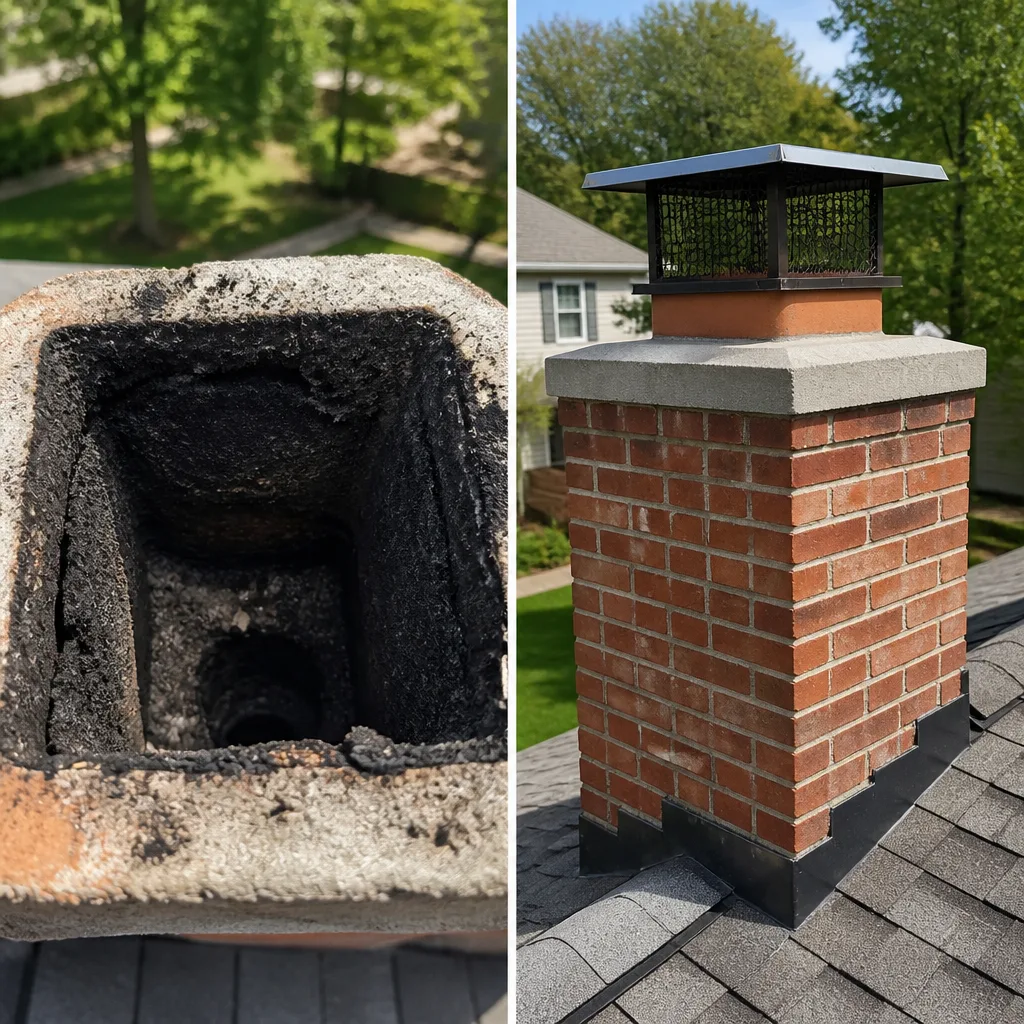 Sweep & inspection
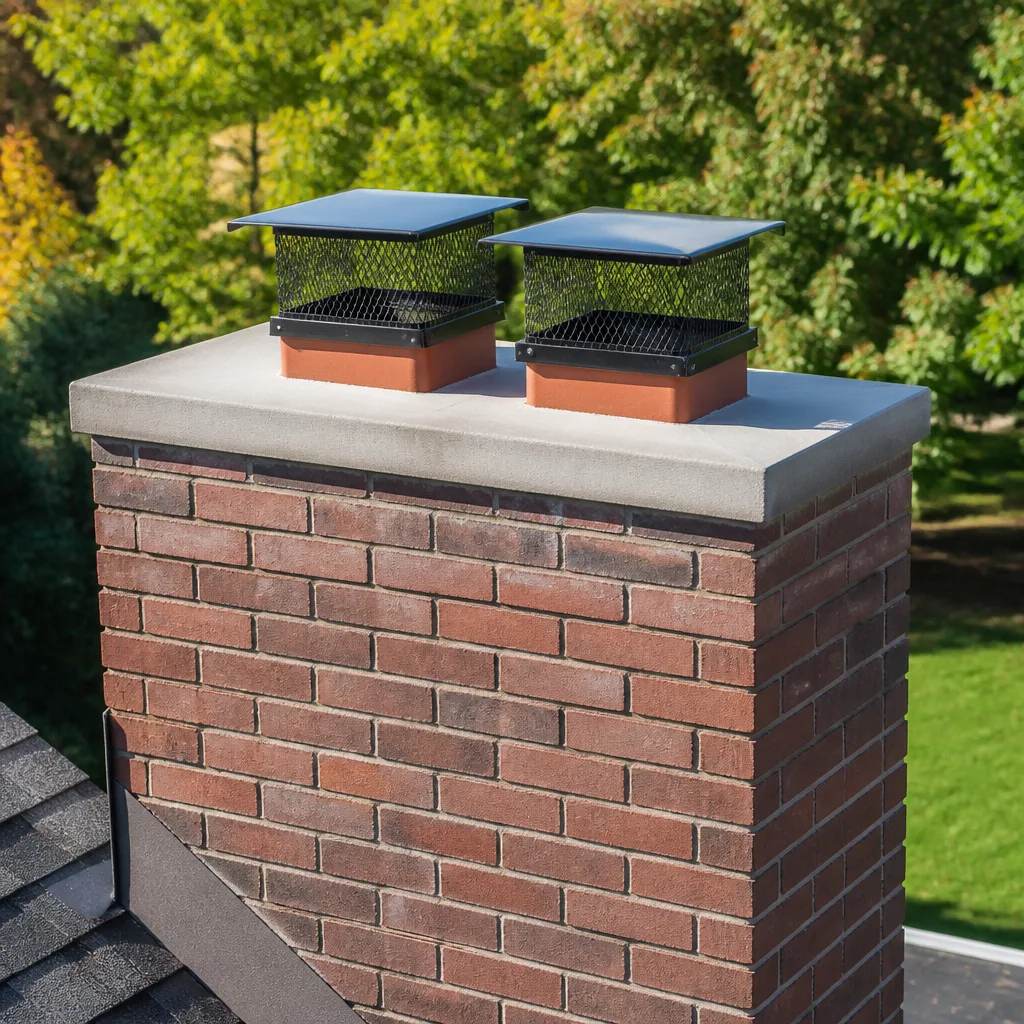 Caps & crowns
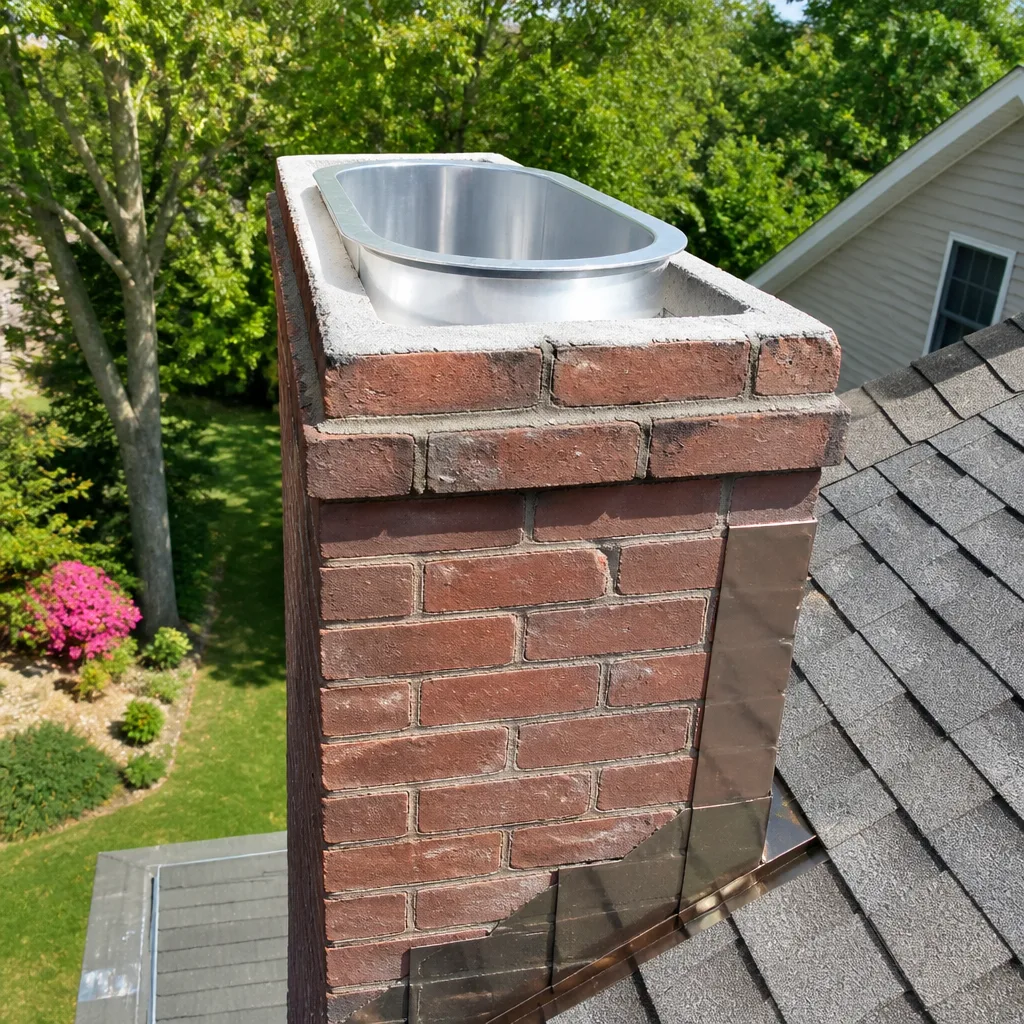 Flue relining
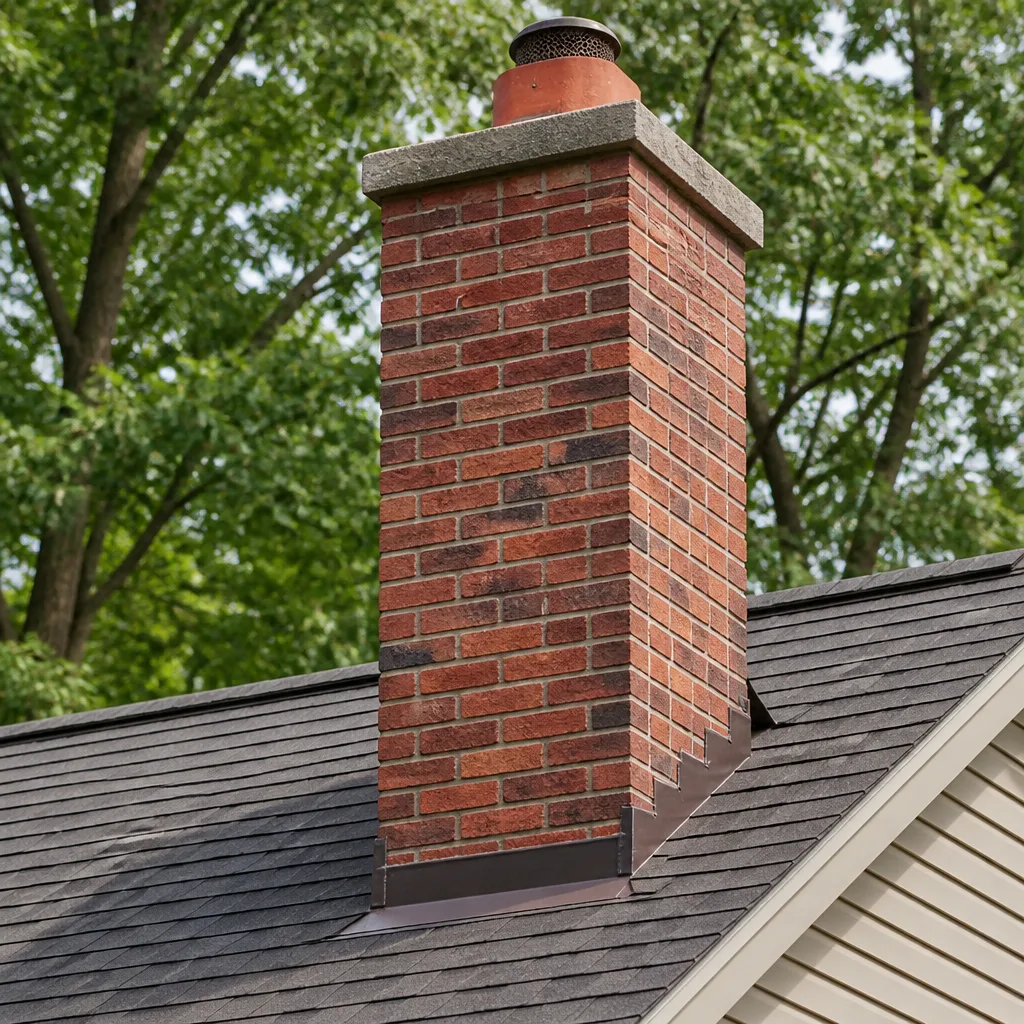 Masonry repair
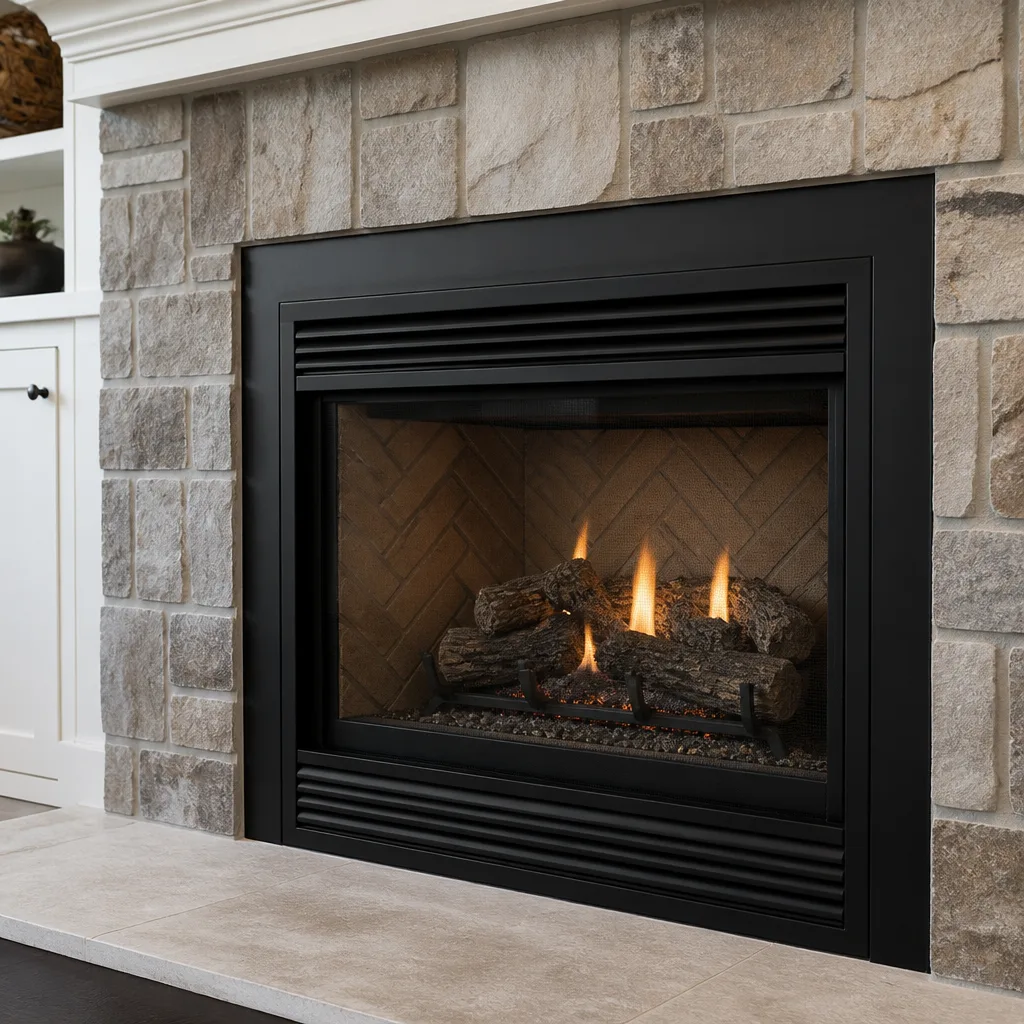 Gas fireplace service
Level 1 sweep and inspection to the NFPA 211 annual standard - flue, crown, cap, and flashing checked and photographed
Chimney sweep logs do not sweep chimneys. They loosen some creosote - which then falls where a brush and vacuum still have to collect it.
The Complete Guide to Chimney Cleaning in Jacksonville
Most chimney guides are written with cold-climate homes in mind, where fireplaces run four to five months a year. In Jacksonville, we burn wood maybe 30 to 50 days annually, and that shorter, inconsistent use actually accelerates certain types of liner damage that northern guides never mention. This guide maps the entire cleaning process to Northeast Florida’s specific conditions, burn seasons, and home construction styles, and you can find seasonal chimney cleaning care for Jacksonville: a year-round homeowner’s guide to complement it. You’ll learn what a sweep should actually cost here, what your technician should be looking for, and why Jacksonville’s humidity changes the math on creosote.
Quick Answer
Chimney cleaning in Jacksonville typically costs between $180 and $340 for a standard sweep of a wood-burning fireplace, with camera inspections adding $75 to $200 depending on the level of detail. Most Jacksonville homes should schedule a sweep every 40 to 50 burns, or at minimum once per year before the burning season. Because our humid climate accelerates creosote hardening and liner deterioration between uses, annual inspection matters more here than in drier regions.
Styles & brands we work with
Table of Contents
- Why Jacksonville’s Climate Creates Different Chimney Problems
- What a Professional Chimney Sweep Actually Includes
- Creosote in Jacksonville’s Humidity: What You’re Burning and What It Leaves Behind
- Level 1 vs Level 2 Inspections: What Your Tech Is Actually Looking At
- What Chimney Cleaning Costs in Jacksonville in 2025
- Common Chimney Problems in Jacksonville’s Craftsman and Brick Ranch Homes
- How to Read a Chimney Cleaning Report
- What NFPA 211 Requires Your Technician to Document
Why Jacksonville’s Climate Creates Different Chimney Problems
Jacksonville’s humid, subtropical climate creates chimney conditions that differ meaningfully from what you’d read in a guide written for Minneapolis or Boston. The air here holds moisture nearly year-round, and that moisture finds its way into flue systems in ways that change how quickly creosote forms, how it behaves, and what it does to masonry and metal components.
When you burn wood in Jacksonville, you’re typically doing it on cool, damp evenings between November and February. The fires are shorter. The wood you’re burning, often oak or pine sourced locally, hasn’t always been seasoned for the full 12 to 18 months that colder regions require. Green wood burns at lower temperatures, producing more smoke, and more smoke means more creosote. In a dry climate, much of that creosote would stay flaky and easy to brush out. In Jacksonville’s humidity, it absorbs moisture from the air and becomes sticky, then hardens into a tar-like glaze that’s significantly harder to remove.
We also see a pattern in Jacksonville that northern guides rarely address: long periods of disuse leave chimneys sitting in warm, moist air for months at a time. Metal dampers rust. Clay flue tile liners, already porous, absorb ambient moisture and expand slightly, which can widen existing small cracks. Then when you do light that first fire of the season, the rapid heating stresses those same materials. In our experience, the first burn of the season is when pre-existing damage is most likely to become a problem you can actually see or smell.
The practical takeaway: if you’ve been following advice meant for cold-climate homes, you may be waiting too long between sweeps and underestimating what a year of Jacksonville humidity does inside your flue. A sweep every 30 to 40 burns is a reasonable baseline here, even if you only use the fireplace occasionally from December through February.
What a Professional Chimney Sweep Actually Includes
A proper chimney sweep in Jacksonville is not just someone running a brush up and down a flue. It’s a process with defined steps, and knowing what those steps are helps you evaluate whether you’re getting what you paid for. Here’s what a thorough cleaning should cover.
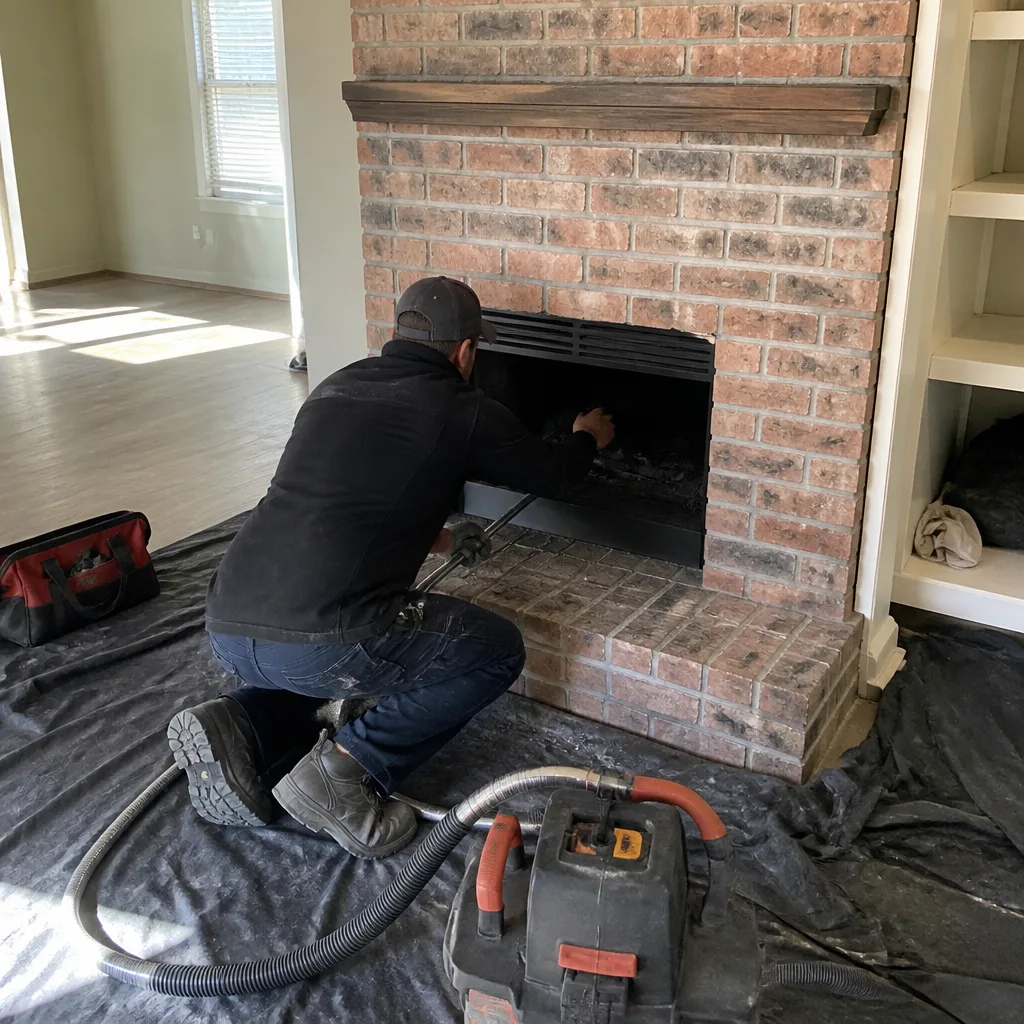
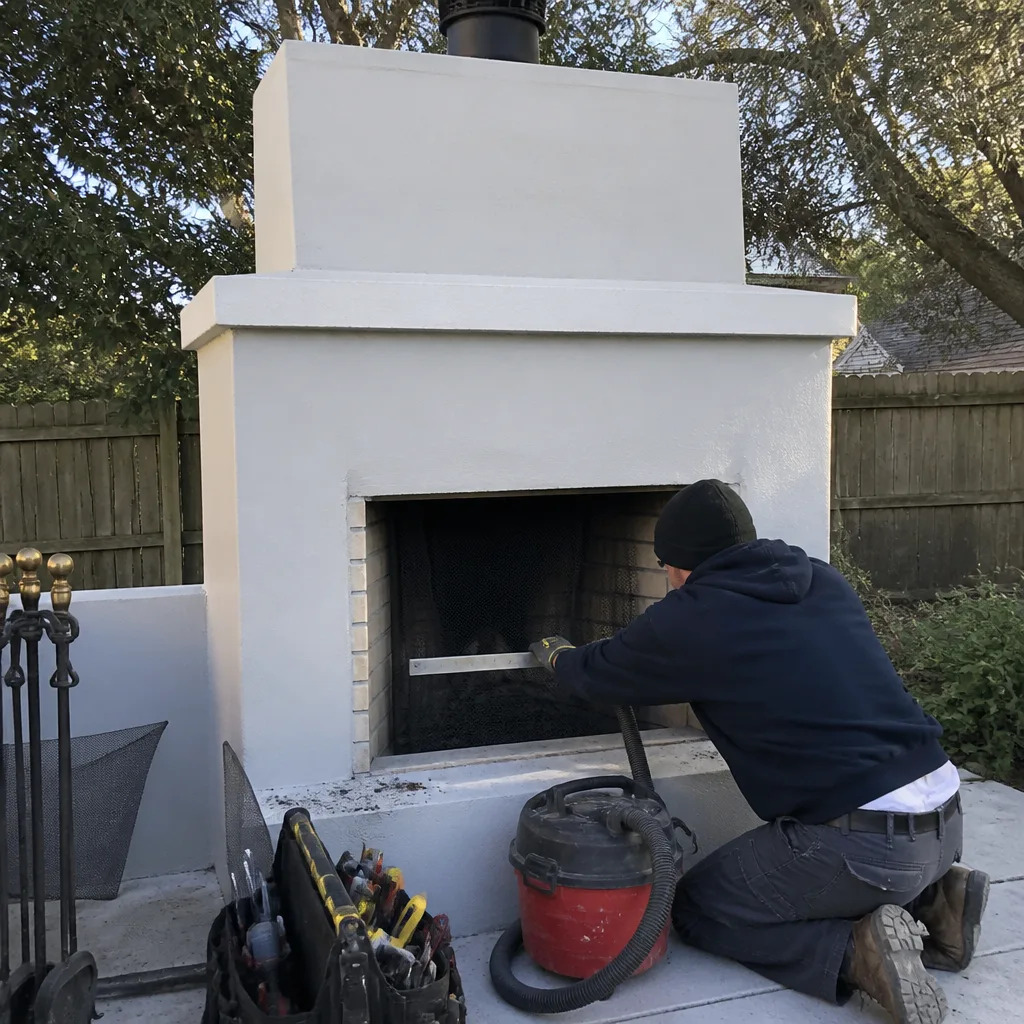
- Setup and protection: The technician lays drop cloths around the fireplace opening, covers nearby flooring and furniture, and sets up a high-volume vacuum with a HEPA filter to control dust. If the chimney is accessible from the roof, they’ll also assess roof access safety before climbing.
- Initial visual check: Before any brushing begins, the tech looks at the firebox, damper, smoke shelf, and as much of the flue as is visible. This tells them what kind of deposits they’re dealing with and whether anything looks structurally concerning.
- Mechanical brushing: Using brushes sized to your specific flue dimensions, the technician scrubs the flue walls to loosen creosote, soot, and any debris. In Jacksonville, where glazed creosote is common, this may require a rotary loop system attached to a drill rather than a standard hand brush.
- Debris removal from the smoke shelf: The smoke shelf, that flat area behind the damper, collects a surprising amount of creosote, leaves, and nesting material. Many DIY guides ignore it. A professional doesn’t.
- Vacuuming and final pass: The technician vacuums the firebox, smoke shelf, and damper area, ensuring no debris remains that could fall into your living space or reignite.
- Post-clean visual verification: The technician checks that the flue is actually clean, with no significant creosote remaining, and notes any areas that need closer inspection.
What this doesn’t include by default is a camera inspection. That’s a separate service. A standard sweep will tell you if the flue is clean, but it won’t necessarily reveal hidden cracks in the liner or deterioration deeper in the system. In Jacksonville, given the moisture issues we described earlier, we routinely recommend a camera inspection either during or shortly after a sweep, especially for homes that haven’t had one in several years.
Creosote in Jacksonville’s Humidity: What You’re Burning and What It Leaves Behind
Creosote is the tar-like buildup that forms inside your chimney when wood smoke cools and condenses on the flue walls. It’s the single most common cause of chimney fires, and in Jacksonville’s humid air, it behaves differently than it does in drier climates.
There are three stages of creosote, and knowing the difference helps you understand what your sweep is telling you. Stage 1 creosote is flaky, dusty, and relatively easy to remove with basic brushing. Stage 2 is the crunchy, granulated form, more difficult to dislodge and often requiring more aggressive mechanical brushing. Stage 3 is glazed creosote, a hard, shiny, tar-like coating that can only be removed with rotary tools or, in severe cases, chemical treatments followed by mechanical removal.
In Jacksonville, we see more Stage 2 and early Stage 3 creosote than you might expect for a city with a short burn season. The reason is twofold. First, many homeowners here burn locally cut oak or pine that hasn’t been seasoned long enough, producing cooler fires and denser smoke. Second, the ambient humidity hardens and compacts whatever creosote does form. A flue that would be a simple brush-only job in New Mexico might require rotary work in Jacksonville.
Here’s a simple table showing the relationship between burn frequency, wood quality, and creosote stage risk in our area:
- Burn 20 to 30 fires per year with well-seasoned hardwood: Most likely Stage 1 creosote, requiring standard brushing. Annual sweep is sufficient.
- Burn 30 to 50 fires per year with mixed or partially seasoned wood: Expect Stage 2 creosote in the upper third of the flue and around the smoke shelf. Rotary cleaning recommended.
- Burn more than 50 fires or use green or soft wood regularly: Stage 2 to early Stage 3 creosote is common. Schedule a sweep every 30 burns and ask about glazed creosote removal specifically.
The important point for Jacksonville homeowners: creosote stage is not a measure of how often you burn. It’s a measure of how efficiently you burn and how much moisture is in the system. Our humidity loads the dice against you, which is why buying a cord of well-seasoned oak 12 to 18 months before you plan to burn it is one of the most effective things you can do to keep your chimney clean and safe. Properly seasoned wood burns hotter, produces less smoke, and leaves behind less fuel for a chimney fire.
Level 1 vs Level 2 Inspections: What Your Tech Is Actually Looking At
The Chimney Safety Institute of America defines three levels of chimney inspection, and understanding the difference between Level 1 and Level 2 is the single most important thing you can do as a Jacksonville homeowner before hiring anyone to work on your chimney-see our How to Hire a Chimney Cleaning Contractor in Jacksonville: A Step-by-Step Guide for additional vetting steps. These aren’t arbitrary categories. They’re defined scopes of work with specific requirements.
A Level 1 inspection is the entry-level standard. It covers the readily accessible portions of the chimney interior and exterior. The technician examines the firebox, damper, smoke chamber, and flue using a flashlight, and checks the chimney exterior, cap, and flashing from the ground or roof. A Level 1 inspection does not require a camera and does not involve entering attic spaces, crawlspaces, or other concealed areas. It’s appropriate when you’ve been using the same chimney system with the same fuel and haven’t made any changes.
A Level 2 inspection is more comprehensive. It includes everything in a Level 1, plus camera inspection of the flue interior, examination of accessible attic and crawlspace areas around the chimney, and a closer look at the exterior structure. A Level 2 inspection is required by NFPA 211 when you’re buying or selling a home, after a chimney fire, after an earthquake or major weather event, or when you’re changing fuel types or installing a new appliance to the chimney. It’s also the inspection we recommend for any Jacksonville homeowner who hasn’t had their chimney evaluated in five or more years.
Examples of what a Level 2 camera inspection catches in Jacksonville specifically: hairline cracks in clay tile liners that are opened by our annual humidity cycle, spalling brick on the exterior caused by water penetration into mortar joints, rust through on steel chimney liners that’s invisible from the roof, and compromised damper assemblies that are leaking conditioned air year-round. These are the findings that justify a repair. They’re also the findings you can’t see without a camera, which is why we include photo documentation so you can look at exactly what the technician saw.
What Chimney Cleaning Costs in Jacksonville in 2025
Let’s talk in real numbers, because vague estimates don’t help anyone. Based on current Jacksonville market rates for 2025, here’s what you should expect to pay for chimney services in Northeast Florida.
- Standard chimney sweep (wood-burning fireplace): $180 to $340. The range accounts for flue height, creosote stage, and whether specialized rotary tools are required.
- Level 1 inspection (no camera): $75 to $150, often included at no extra charge with a sweep.
- Level 2 inspection (with camera): $200 to $450, depending on roof access difficulty and whether attic or crawlspace access is required.
- Chimney cap installation: $150 to $400 installed, depending on cap size, material, and roof access. A proper cap is one of the best investments in Jacksonville because it keeps both water and animals out.
- Damper replacement or repair: $150 to $500, depending on whether you’re repairing an existing throat damper or installing a top-sealing damper, which is generally superior for our climate.
- Smoke chamber parging (minor): $250 to $700, depending on surface area.
These are transparent market ranges, not teaser prices. If you see an advertised sweep for $79, ask what it includes. Often, bare-minimum pricing covers only the physical brushing and excludes setup, smoke shelf cleaning, damper inspection, and the Level 1 assessment. A properly executed sweep takes a real-time investment. Anyone doing it for half the market rate is cutting corners somewhere.
Our advice: before you schedule any service, ask for a written price. A reputable Jacksonville chimney company will deliver one before work starts, every time. That written price should itemize what’s included, and nothing should change at the end of the job unless you agreed, in writing, to additional work.
Common Chimney Problems in Jacksonville’s Craftsman and Brick Ranch Homes
Jacksonville’s housing stock has a specific character that shapes the chimney problems we see most often. The city’s older neighborhoods, Riverside, Avondale, San Marco, Springfield, and the brick ranch developments of Arlington and the Westside built between the 1940s and 1970s, share construction styles that are vulnerable in predictable ways.
In Craftsman bungalows and early twentieth-century homes in Riverside and Avondale, chimneys are almost always masonry with clay tile liners, originally built for coal or open-hearth wood burning. We routinely see three issues. First, the original caplines and mortar crowns were never designed for our rainfall volume, so water infiltration has deteriorated the upper courses of brick. Second, the clay tile liners in these homes are now 70 to 100 years old, and repeated thermal cycling has produced hairline cracks that widen with each humid summer. Third, many of these homes have been partially renovated, and a chimney that once served three fireplaces may now have closed-off thimbles and abandoned flues that few homeowners know exist.
In the brick ranch homes built across Jacksonville during the 1950s through the 1970s, the pattern is different but equally consistent. These homes often used prefabricated metal chimney systems or clay tile liners sized for smaller fireplaces. The dampers in these homes are almost always original and have typically rusted significantly. We also see significant creosote accumulation in the upper flue section where the chimney passes through an unheated attic, because the smoke cools rapidly in that stretch and deposits creosote more aggressively.
Older homes in Springfield face a specific condition: many feature chimneys that have been unlined, especially in flues that served gas heaters or coal stoves. If you’re buying a Springfield home, a Level 2 inspection is among the most important checks you can commission, and it should absolutely include a camera run through every flue, not just the one connected to the fireplace.
One observation from our years working in these neighborhoods: if your home still has its original chimney and you don’t have a chimney cap, you’re losing money. Our rainfall and wildlife pressure mean uncapped chimneys accumulate water, leaves, and nesting material between uses, which is exactly what turns a small creosote issue into a major liner repair. A simple cap installation costs a few hundred dollars and protects a system worth ten times that to rebuild.
How to Read a Chimney Cleaning Report
After your sweep and inspection, you should receive a written report. If you don’t, that’s a red flag on its own. Here’s what a useful report contains and how to interpret what you’re reading.
A proper cleaning report documents at minimum eight things: the date of service, the technician’s name, the type of chimney system inspected, the fuel type (wood-burning, gas, or multi-fuel), the creosote stage found, the amount of creosote removed, the condition of accessible components (damper, firebox, cap, flashing), and any recommended follow-up work with a clear priority level. If your technician marks something as “urgent,” ask them to show you the photo evidence. If there’s no photo, ask why.
The most useful reports include photos from the camera inspection, labeled by the tech with the flue height where each image was captured. For example: “Image 3, 12 feet above firebox: Stage 2 creosote accumulation on the north face of the flue, consistent with moisture ingress from a cracked crown.” That’s a finding you can verify. It tells you exactly where the problem is and how severe.
If your report only contains a check mark next to “cleaned” and a handwritten invoice total, you didn’t get a professional service. Request the documentation. Any reputable company should be able to produce it, and in our own practice, we photograph everything precisely because we want our customers to see what we see. No recommendation should ever come as a surprise you can’t independently verify.
What NFPA 211 Requires Your Technician to Document
NFPA 211 is the National Fire Protection Association standard that governs chimneys, fireplaces, vents, and solid fuel burning appliances. It’s the reference document that building inspectors, fire marshals, and professional chimney organizations use, and it sets minimum requirements for inspection and maintenance.
The relevant section for homeowners is Chapter 15, which requires that chimneys, fireplaces, and vents be inspected annually and cleaned and repaired as needed by a qualified person. NFPA 211 doesn’t say “sweep your chimney once a year.” It says “inspect it.” The cleaning frequency depends on what the inspection finds. In practice, for most Jacksonville homeowners burning 30 to 50 fires per year, an annual inspection and a sweep every one to two years is a sensible schedule, with the sweep scheduled before or early in burning season.
When your technician performs an inspection, NFPA 211 requires documentation of the chimney’s condition, including the presence of creosote, structural integrity of the flue, clearances from combustibles, condition of the connector pipe where applicable, and the exterior structure. It also requires that any repair work be performed by a qualified person, and that repairs bring the chimney into compliance with the standard. Your service report is part of your home’s maintenance record, and if you ever have a fire-related insurance claim, that documentation becomes critically important.
Ask your Jacksonville chimney company whether their inspections follow NFPA 211. The answer should be an immediate yes. If they hesitate or don’t know what you’re referring to, that’s a disqualifier, not a negotiation point.
When we perform work at Alcott Chimney Jacksonville, our documentation follows NFPA 211 structure precisely. You’ll see the categories, the findings, and the recommendations laid out in the same framework your insurance company uses. It’s not because the standard requires it. It’s because transparent, standards-based reporting is the only way a homeowner can make an informed decision. And in our experience, the more you understand what we found, the more comfortable you are with whatever comes next.
Common Mistakes to Avoid
- Assuming a short burn season means you can skip annual inspection. Jacksonville’s humidity concentrates damage during the months you’re not burning. Inspect annually, even in years when you only lit ten fires.
- Burning green or partially seasoned wood from local sellers. Most wood sold in Northeast Florida hasn’t been seasoned for the full 12 to 18 months required. Moist wood produces more smoke, more creosote, and lower heat. Buy ahead and store it off the ground under cover.
- Skipping the chimney cap because the chimney “looks fine” from the ground. Un-capped chimneys in Jacksonville collect rainfall, leaves, and animal nesting between uses. The cap pays for itself in skipped repairs.
- Believing a low advertised price reflects the full scope of work. Read what’s included. A $79 “sweep” usually isn’t a professional cleaning with setup, smoke shelf removal, and inspection. It’s a brush pass.
- Accepting a verbal recommendation for major repairs without photo evidence. No photo, no job. Any legitimate recommendation should be backed by camera images you can see and keep.
- Using the fireplace as a long-term heat source during cold snaps. Jacksonville homes are not insulated for continuous fireplace use. Burning constantly in a single event creates accelerated creosote and overheats flue components.
- Closing the damper as soon as the visible fire goes out. Embers and coals continue producing carbon monoxide for hours. Wait until the fire is completely out and the coals are cold before closing the damper.
See the difference
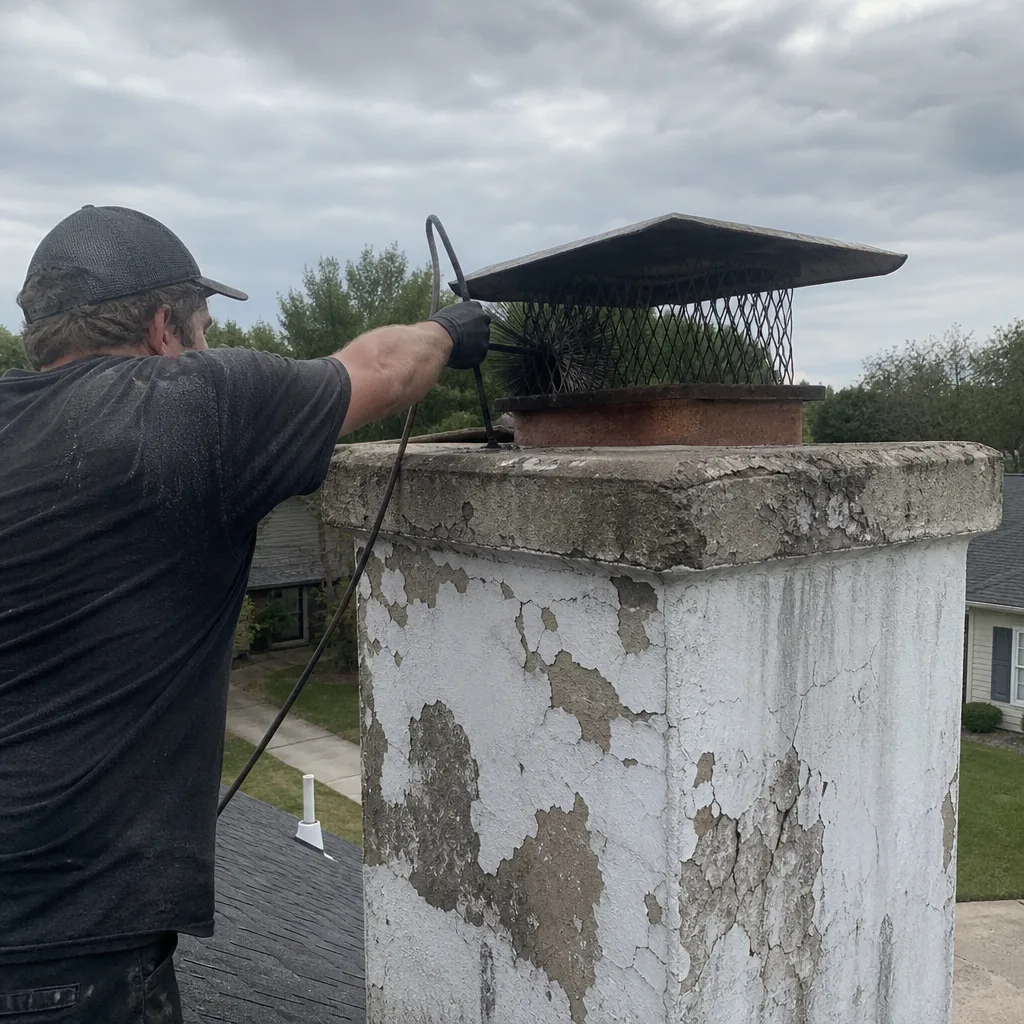 Before
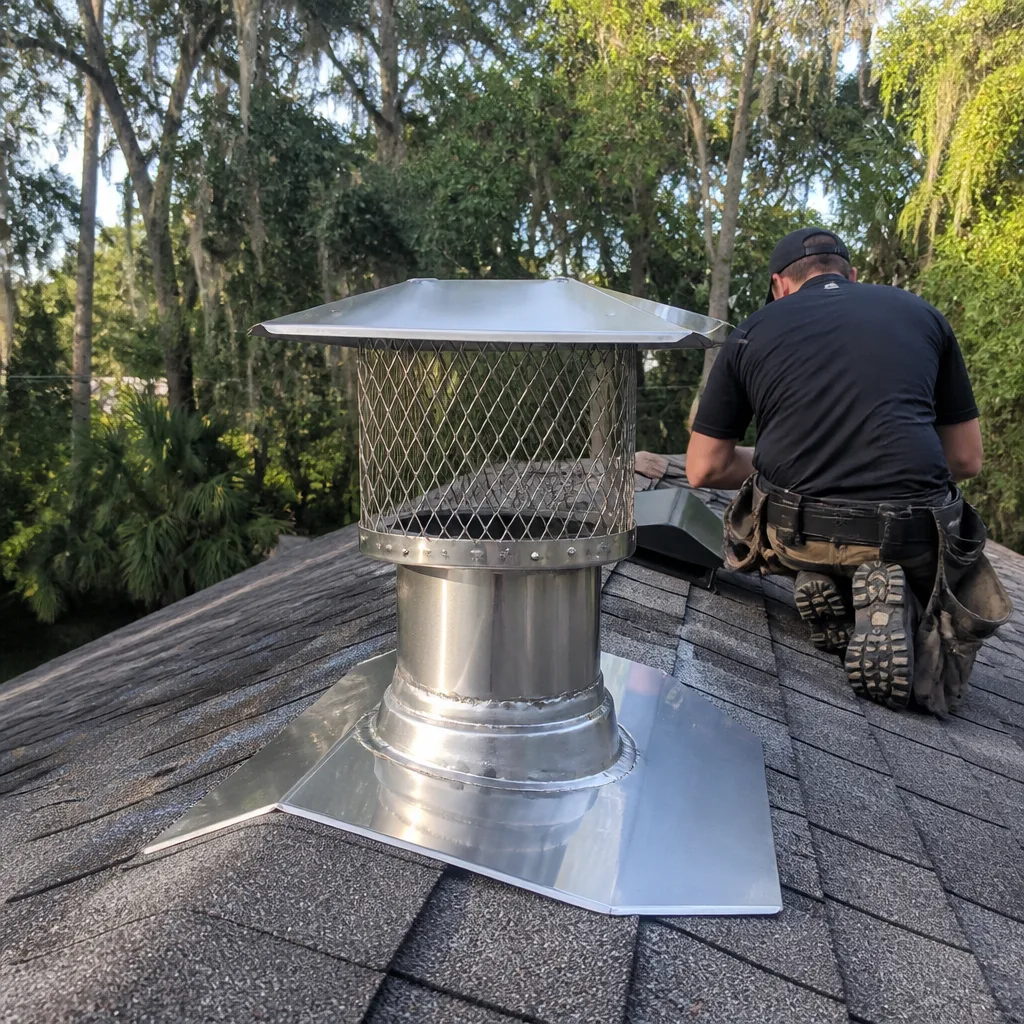 After
After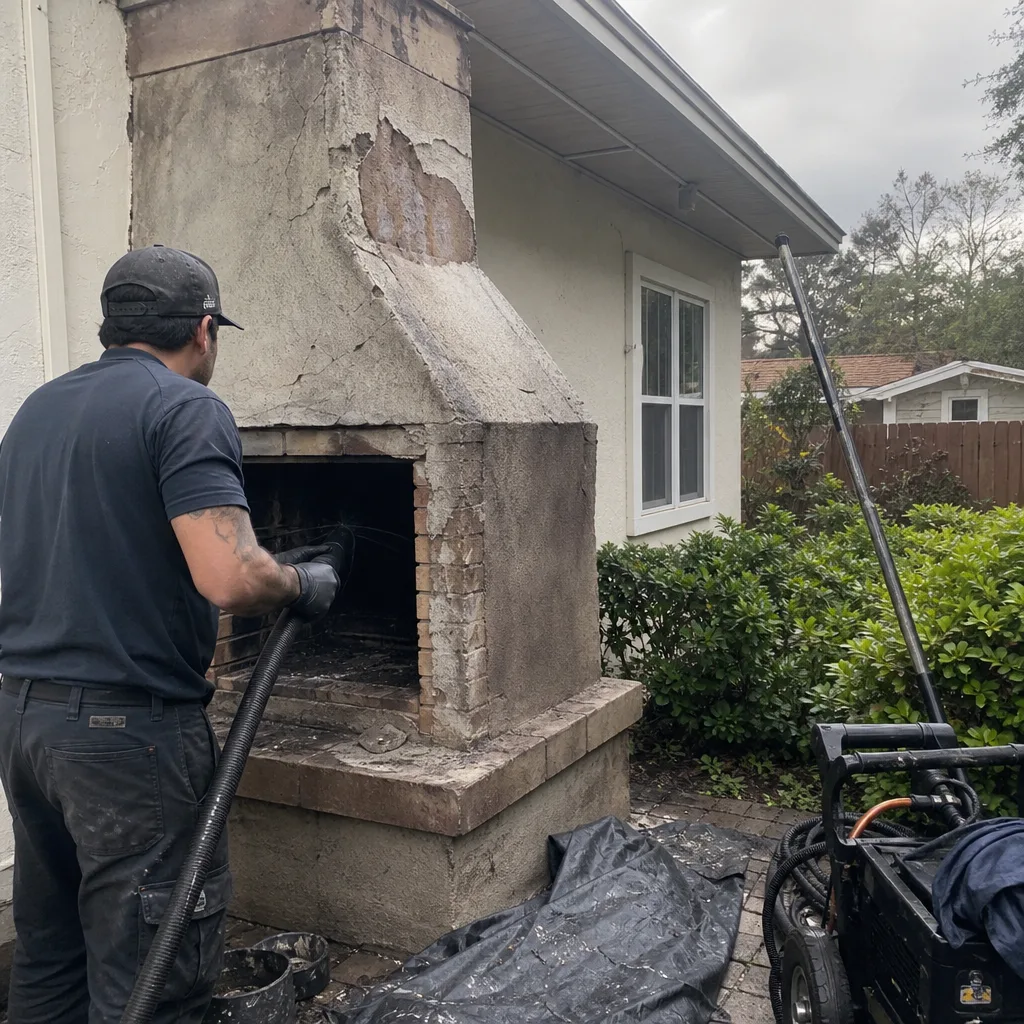 Before
 After
After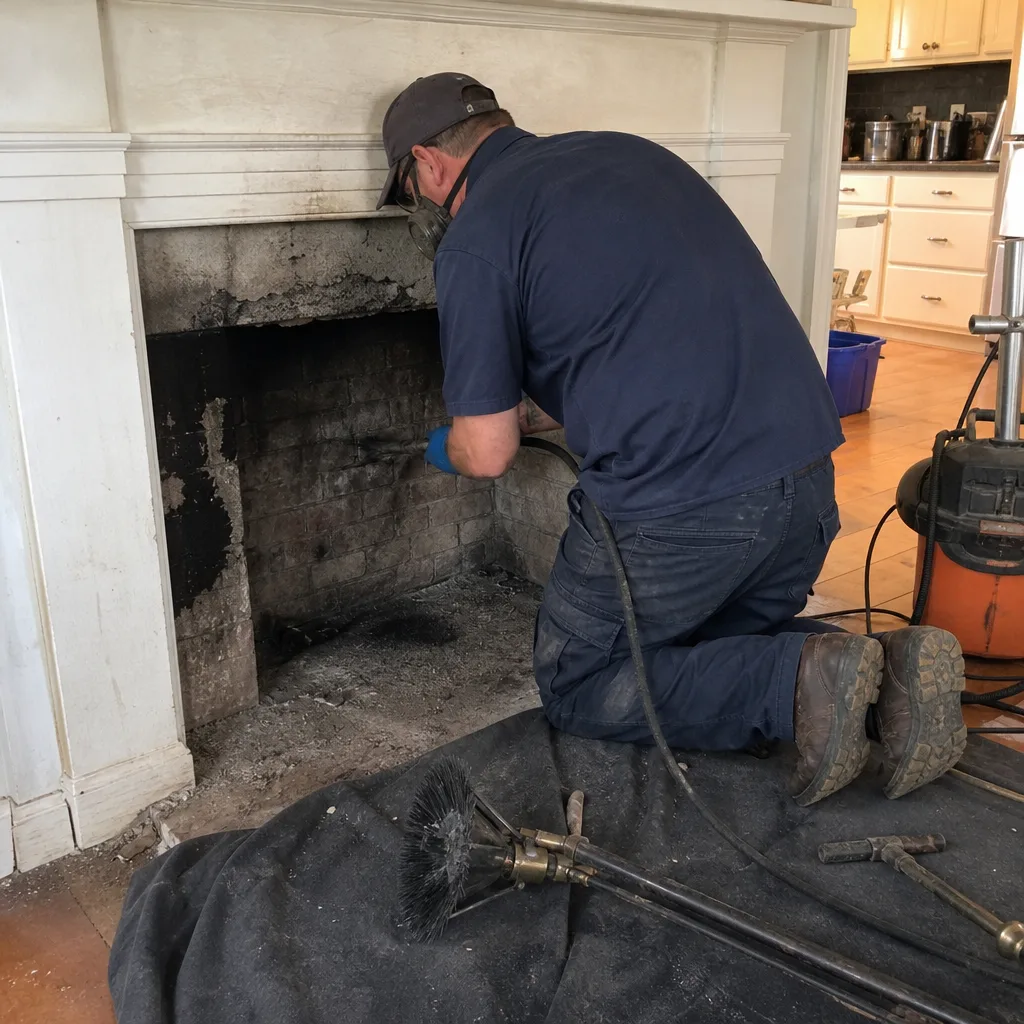 Before
 After
AfterWhen to Call a Professional
Some chimney situations are straightforward calls. If you smell smoke in the house after the fire is out, if you see dark staining around the fireplace surround, or if you notice water in the firebox after a heavy rain, you need a professional assessment. If you’re buying a home in Jacksonville with a masonry chimney, especially in an older neighborhood like Riverside, Avondale, San Marco, or Springfield, schedule a Level 2 inspection before closing. If it’s been three years or more since your last cleaning, that’s a call. And if you hear scurrying, chirping, or flapping from inside the chimney, act before the animal nests and dies, which creates a health and odor problem far worse than a simple sweep.
Alcott Chimney Jacksonville offers free estimates in Jacksonville. Call (904) 453-7823, and a live person answers, day or night. We’ll schedule a time that works for you, and before our technician arrives, you’ll know their name and see their photo. It’s the way every service visit should work, and in our view, the way every chimney company should operate.
Frequently Asked Questions
A standard chimney sweep in Jacksonville typically costs between $180 and $340 for a wood-burning fireplace, with the price depending on flue height, creosote stage, and access difficulty. Camera inspections run $75 to $200, and Level 2 inspections with full documentation range from $200 to $450. Call (904) 453-7823 for an exact written quote, no obligation.
Most Jacksonville homeowners should have their chimney swept every 30 to 40 burns, which for typical use in our area works out to once every one to two years. An annual inspection is recommended regardless of burn frequency, because Jacksonville’s humidity creates off-season deterioration that has nothing to do with how often you light a fire.
Gas fireplaces don’t produce creosote, but they still require annual inspection for vent blockages, carbon monoxide leaks, and component wear. At Alcott Chimney Jacksonville, our gas fireplace repair work includes a full inspection of the venting system as part of the service. Call (904) 453-7823 to schedule a gas fireplace evaluation.
In Jacksonville, skipping cleaning for several years allows creosote to accumulate and harden into glazed deposits that are significantly more expensive to remove. Moisture from our humid climate also continues degrading mortar joints and liner materials during the off-season, so a chimney with unaddressed damage gets worse every year, not just when you use it. The repair bill grows. The solution: schedule a sweep and inspection now, start a maintenance schedule, and explore more guides & resources to keep your chimney safe year-round.
You can purchase brushes and rods at box stores, but DIY cleaning misses the critical components: smoke shelf debris removal, proper creosote stage assessment, and camera verification that the flue is actually clean. In Jacksonville’s humidity, where glazed creosote is common, rotary tools are often required, and those are professional-grade equipment. More importantly, a DIY sweep doesn’t include the trained eye that catches early signs of liner damage, cracked crowns, or hidden structural issues. The cost of a professional sweep is modest compared to the cost of a chimney fire or a collapsed liner.
Yes. We serve the entire Jacksonville area, including Riverside, Avondale, San Marco, Springfield, Murray Hill, Ortega, Arlington, Mandarin, the Southside, the Beaches, and surrounding communities in Duval County and northern St. Johns County. Our techs arrive by name and photo, we deliver a written price before any work starts, and every repair carries a written guarantee. Call (904) 453-7823 with questions or to schedule.
The Bottom Line
Jacksonville’s humid, subtropical climate creates chimney conditions that generic guides don’t cover, and understanding those conditions is what protects your home and your money. A standard sweep in this market runs $180 to $340, annual inspection is non-negotiable even with light usage, and the biggest variable in your chimney’s long-term health is the wood you burn and the cap on top of your flue. If you have an older Craftsman or brick ranch home, schedule a Level 2 inspection with camera documentation and make sure every recommendation comes with photos you can verify. A clean, well-maintained chimney is a simple machine, and simple machines treated with care rarely fail.
Written by Ruben Castellano, Owner at Alcott Chimney Jacksonville, serving Jacksonville since 2002.
Contact Alcott Chimney Jacksonville for chimney cleaning, inspection, and gas fireplace repair. Call (904) 453-7823 for a free estimate, or learn more about our Alcott Chimney Jacksonville home services, chimney sweep in Jacksonville options, chimney inspection in Jacksonville standards, and gas fireplace repair in Jacksonville.