
Last updated October 15, 2026
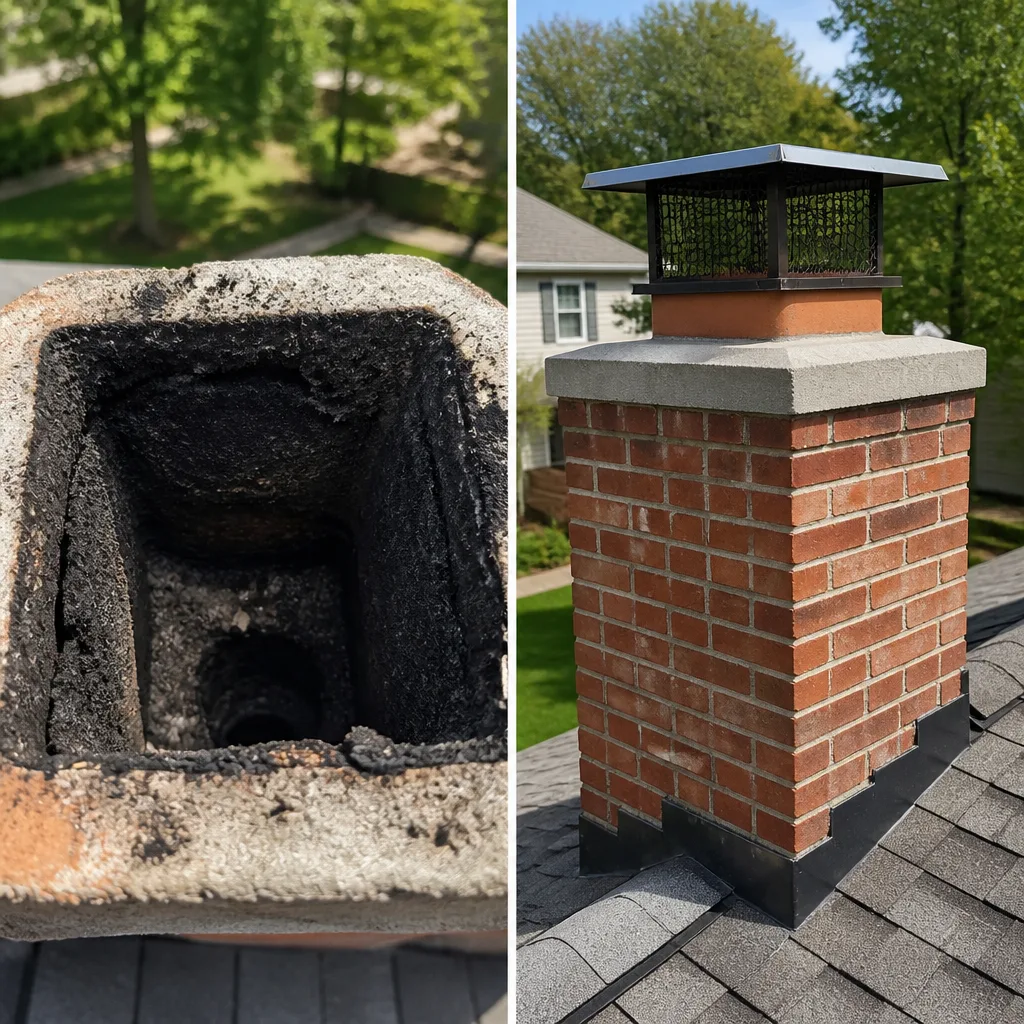 Sweep & inspection
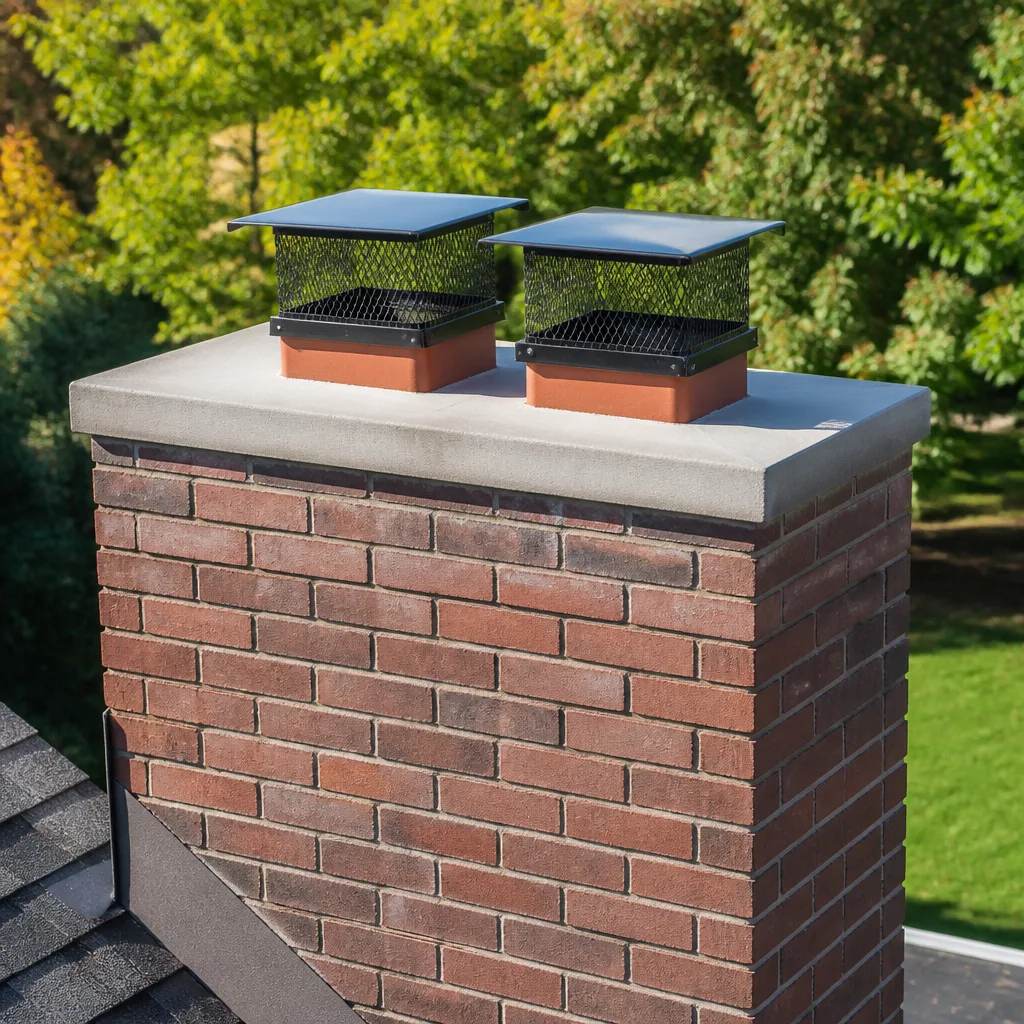 Caps & crowns
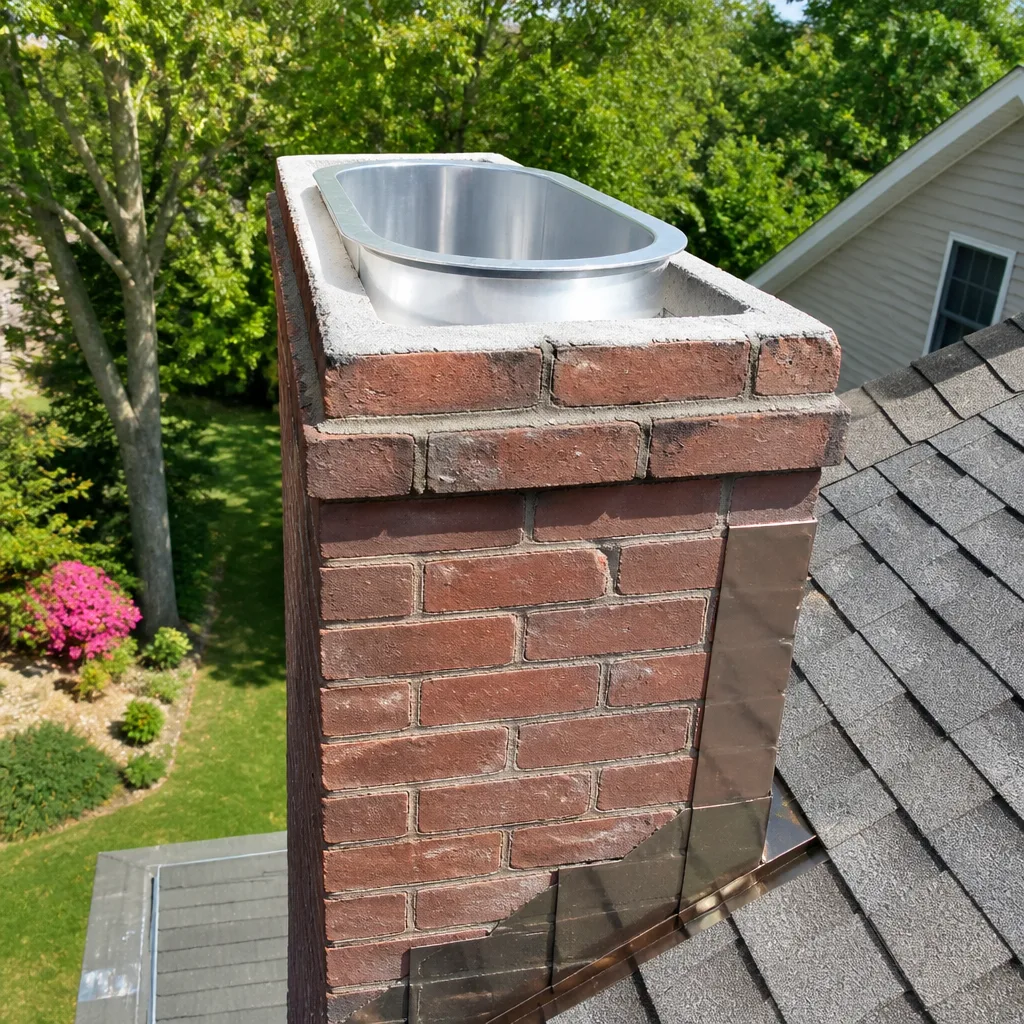 Flue relining
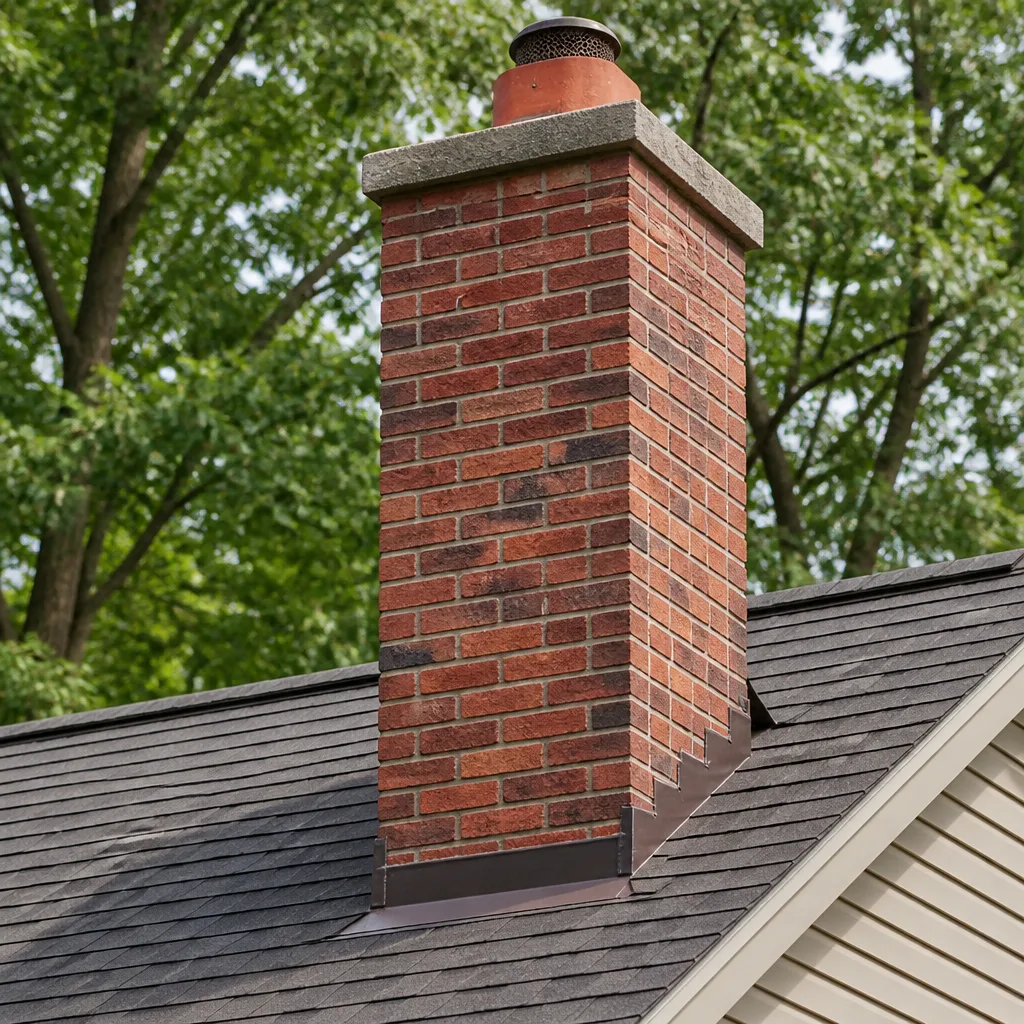 Masonry repair
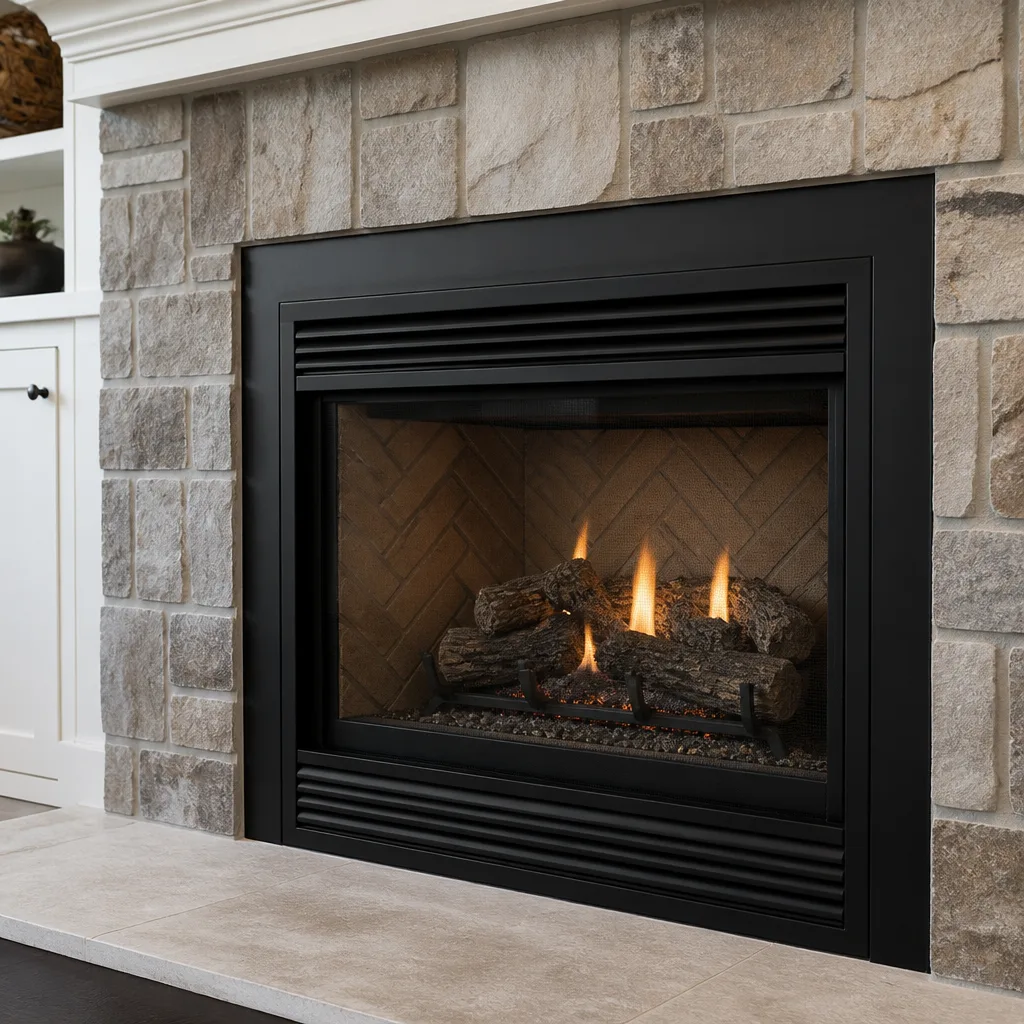 Gas fireplace service
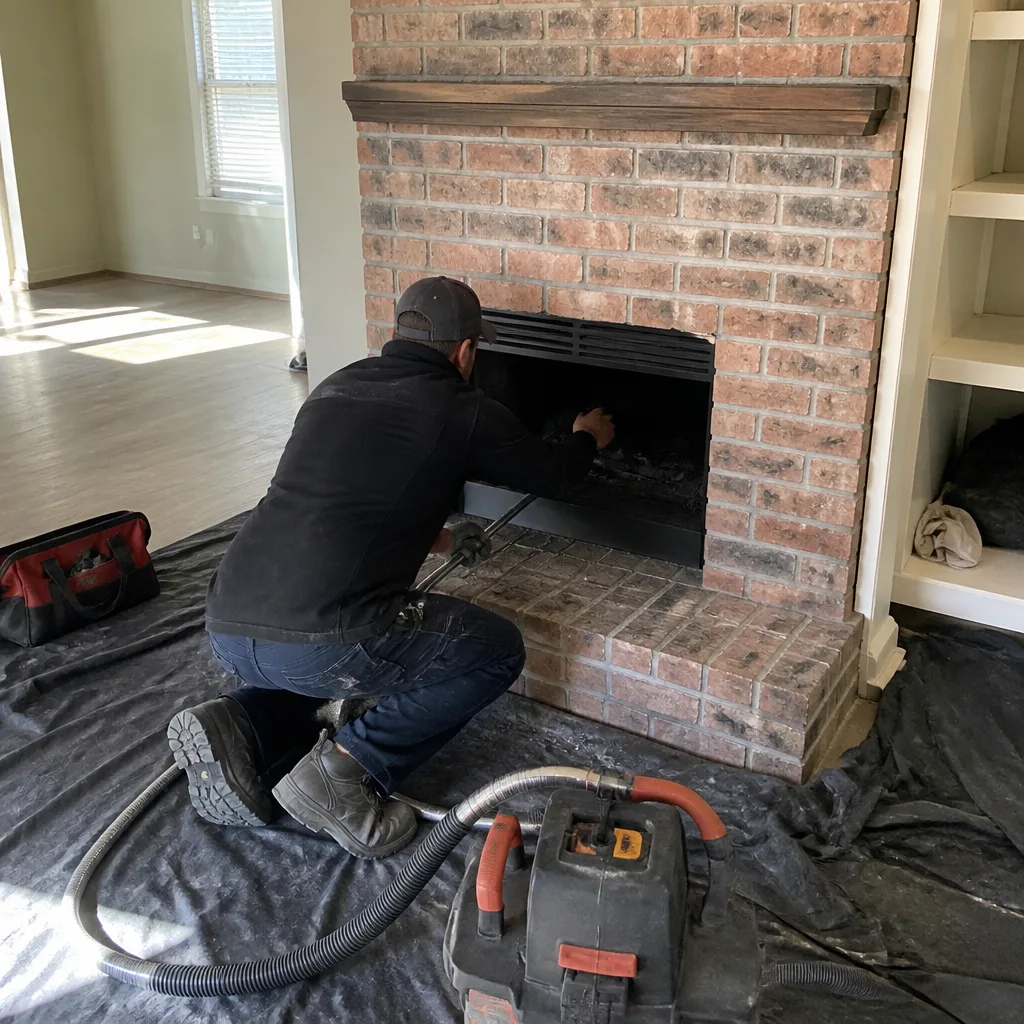
Level 1 sweep and inspection to the NFPA 211 annual standard - flue, crown, cap, and flashing checked and photographed
Chimney sweep logs do not sweep chimneys. They loosen some creosote - which then falls where a brush and vacuum still have to collect it.
How to Hire a Chimney Cleaning Contractor in Jacksonville: A Step-by-Step Guide
In 2023, the Florida Department of Agriculture and Consumer Services logged complaints about door-to-door chimney “inspectors” offering $49 cleanings, then quoting thousands in phantom repairs to Jacksonville homeowners. The scam works because most people don’t know what a legitimate chimney cleaning actually involves, what it should cost, or how to verify the person standing at the door. This guide gives you the exact steps to hire a chimney sweep in Jacksonville with confidence, from verifying credentials to understanding what your written paperwork must include, and points you to more guides & resources for protecting your home.
Styles & brands we work with
Quick Answer
To hire a chimney cleaning contractor in Jacksonville, verify at least two professional credentials (CSIA certification and active Florida business registration), confirm the technician’s name and photo before the appointment, request a written price before any work starts, and demand a written guarantee on any repairs. A standard chimney sweep in Jacksonville typically runs $149 to $269, and a legitimate company will always send a vetted, identifiable technician, never a stranger with a clipboard.
Table of Contents
- Why Jacksonville’s Climate Makes Chimney Maintenance Different
- Step 1: Verify the Three Credentials That Actually Matter in Florida
- Step 2: Confirm Technician Identity Before You Open the Door
- Step 3: Ask the Eight Pricing Questions That Expose Hidden Charges
- Step 4: Get Every Guarantee in Writing – Here’s What It Must Say
- Step 5: Spot Red Flags in Ads, Websites, and Phone Calls
- Step 6: Structure Post-Job Paperwork for Insurance and Resale
- What a Legitimate Chimney Inspection Report Includes
- Common Mistakes to Avoid
- When to Call a Professional
- Frequently Asked Questions
- The Bottom Line
Why Jacksonville’s Climate Makes Chimney Maintenance Different
Jacksonville’s combination of high humidity, salt air, and intense summer heat creates conditions that accelerate chimney deterioration faster than in drier climates. Moisture is the single biggest threat to a masonry chimney, and northeast Florida has plenty of it. When humid air condenses inside a flue, it mixes with creosote, the tar-like byproduct of wood combustion, to form an acidic slurry that eats away at brick and mortar joints. In neighborhoods like Riverside, Avondale, and San Marco, where chimneys date back to the 1920s and 1930s, we regularly see mortar joints that have lost their grip due to decades of this condensation cycle.
Salt air from the Atlantic adds another layer of corrosion risk, particularly for metal components like chimney caps, dampers, and flashing. The salt content in Jacksonville air is higher than inland Florida communities like Gainesville or Ocala, and it accelerates rust on any exposed galvanized steel. That’s why we specify stainless steel components from manufacturers like Copperfield and Famco rather than box-store galvanized alternatives. A galvanized cap in Jacksonville’s salt-heavy air often fails within three to five years, while stainless holds up for a decade or more.
The region’s seasonal burn pattern also matters. Jacksonville winters are mild, which means fireplaces get used sporadically from November through February, then sit dormant for months. This intermittent use pattern tends to produce a different creosote profile than northern climates where fires burn daily. Glazed creosote, the hardest form to remove, forms when temperatures swing hot and cool repeatedly, exactly the pattern of occasional weekend fires in a mild Florida winter. If you burn regularly during those months, an annual sweep is the right interval. If your fireplace is purely decorative and never lit, you can safely extend to an inspection every two years, but not indefinitely.
Step 1: Verify the Three Credentials That Actually Matter in Florida
Florida does not license chimney sweeps at the state level. That single fact causes more confusion than anything else in the hiring process. When any company can legally call itself a chimney service, the burden shifts to you to verify that the person you’re hiring actually knows what they’re doing. Three credentials carry real weight in Florida, and all three can be verified online in under five minutes.
- CSIA Certification. The Chimney Safety Institute of America is the national standard for chimney technicians. A CSIA-certified sweep has passed a written exam covering fire codes, clearances, and proper cleaning methods. You can verify certification by visiting the CSIA website and searching the technician directory. Ask for the technician’s CSIA number, not the company’s. A company can have one certified person on staff while sending uncertified workers to your door. The number matters.
- NFI Certification. The National Fireplace Institute offers the NFI Certified Specialist designation, focused specifically on gas hearth systems. If you have a gas fireplace rather than a wood-burning one, NFI certification is the stronger credential to look for, since it covers gas valve operation, venting requirements, and combustion safety. Many technicians hold both, and we recommend looking for both when you have a gas unit.
- Active Florida Business Registration. Any legitimate company operating in Jacksonville must be registered with the Florida Department of State, Division of Corporations. You can search the Sunbiz website by name to verify the company is active and in good standing. Check how long the entity has been registered. A company formed eight months ago with no verifiable history is a different risk profile than one that’s been registered for decades. You can also check the Florida Department of Agriculture and Consumer Services for any open complaints against the business.
On our team at Alcott Chimney Jacksonville, technician vetting goes beyond certifications. Every technician passes a background check and identity verification before ever stepping on a customer’s property. That’s the Threshold Standard, not an optional upgrade. We’ve served Jacksonville homeowners since 2002, and the vetting protocol has been non-negotiable the entire time.
Step 2: Confirm Technician Identity Before You Open the Door
The person who arrives at your home should be the person you expected. This is the step most homeowners skip, and it’s the one that matters most for personal security. Before booking a chimney cleaning in Jacksonville, ask a direct question: “Will I know the technician’s name and see their photo before you arrive?” If the company hesitates, that’s information. A legitimate service wants you to know who’s coming.
Here’s the confirmation sequence we recommend:
- Ask for the technician’s full name at booking. Not “one of our guys.” A specific name, assigned to your appointment.
- Ask for a photo. Reputable companies send technician photos by text or email ahead of the appointment. This is standard practice for any service that prioritizes customer trust.
- Ask for the technician’s certification number. Not the company’s. The individual’s. This confirms the person actually scheduled has passed the credentialing, not just someone at the office.
- Ask for a description of the uniform and vehicle. You should know what the technician will wear and what the truck looks like.
- When the doorbell rings, ask to see a photo ID badge. Before letting anyone inside. A legitimate professional carries one and will offer it without being asked. Anyone who balks is someone you should turn away.
We send every customer the technician’s name and photo before the appointment. The technician is required to show a photo ID badge at the door, every time, no exceptions. Ruben Castellano set that policy in 2002, and it hasn’t changed. If you’re home alone, caring for young children, or supporting an older parent in neighborhoods like Mandarin or Oceanway, this identification step is the difference between a known professional and an unknown variable.
Step 3: Ask the Eight Pricing Questions That Expose Hidden Charges
A standard chimney sweep in Jacksonville typically runs $149 to $269 for a wood-burning fireplace, before any repairs. Gas fireplace service tends to run $129 to $229. Anyone quoting below $99 for a sweep is either cutting corners on equipment or planning to make up the difference with repair recommendations. That $49 door-to-door special from the 2023 complaints was never about the cleaning; it was a paid audition for a high-pressure repair pitch.
Before you book, ask these eight questions in writing, ideally over email so you have a record:
- What exactly does the quoted price include? A sweep should include flue cleaning, smoke chamber cleaning, damper inspection, and a basic visual check. If the quote seems high, ask which elements are included. If it seems low, ask which elements are missing.
- What triggers an additional charge? Roof access difficulty, animal removal, a heavily glazed creosote deposit, a two-story flue, or an insert that complicates access can all add cost. You should know the trigger conditions before work starts, not discover them after.
- Is the sweep price separate from the inspection price? Chimney sweeping and chimney inspection are distinct services. Some companies bundle them; others separate them. At Alcott, a full inspection is a meaningful step beyond a sweep, using dedicated camera equipment, and it’s priced clearly. A proper chimney inspection in Jacksonville should be thorough enough to catch hidden liner damage.
- Will I receive a written price before any work begins? The answer should be yes, without qualification. If the answer is “we’ll see once we’re in there,” that’s a red flag. The technician can always flag a condition that requires a scope change, but the baseline price should be written before equipment comes off the truck.
- What equipment will you use? A legitimate sweep uses a rotary cleaning system with HEPA filtration, not a chimney-shaped bottle brush from a hardware store. Ask specifically. If you hear “we have the tools,” that’s not an answer.
- Do you have a physical address in Jacksonville? A P.O. box with no storefront and no service yard is a legitimate concern. You want a company with a real, verifiable presence in the city.
- What is your protocol if you discover damage during the sweep? Will the technician show you photos or video? Will they explain the damage in plain English? Will they wait for your written authorization before doing any repair work? All three should be yes.
- What is your guarantee, and will I receive it in writing? If the answer is “we stand behind our work,” ask for the written version. If one doesn’t exist, walk away.
We provide every customer with a written price before any work begins. That’s always included, never negotiable, and it applies whether we’re doing a simple sweep or a more involved chimney sweep in Jacksonville that surfaces additional findings.
Step 4: Get Every Guarantee in Writing – Here’s What It Must Say
A verbal guarantee is worth the air it’s printed on. When a technician says “we guarantee the work,” that statement disappears the moment the truck leaves the driveway. A written guarantee, delivered on company letterhead or in a formal document, gives you something to enforce.
A legitimate written guarantee should specify four things:
- What is covered. Which components, which workmanship elements, and which specific repairs are included.
- How long coverage lasts. A guarantee without a duration is a slogan. “For one year from the date of service” or “365 days” is a duration.
- What the remedy is. If the work fails, what happens? A re-repair? A refund? Who pays for parts?
- Who to contact and how. A phone number, an email address, and a named person responsible for warranty claims.
At Alcott Chimney Jacksonville, every repair comes with a written guarantee, included at no extra charge. If a repair fails within the coverage period, the second visit is free. That’s the 365-Day Done Right Promise, and it’s not a marketing line; it’s written into the paperwork you receive when the job is complete. Ruben Castellano’s position has always been that a guarantee you can’t read isn’t a guarantee.
Ask specifically about materials, too. A guarantee on a repair is only as strong as the parts used. If a technician installs an off-brand liner system and it fails, the written guarantee protects you from the labor cost, but you’re still living with a failed install. We carry and install professional trade brands like DuraFlex liner systems and HeatShield resurfacing products, because those are the materials chimney professionals specify for long service life.
Step 5: Spot Red Flags in Ads, Websites, and Phone Calls
Most disreputable chimney operations telegraph themselves well before they ring your doorbell. You just have to know what to look for. Here are the red flags we tell Jacksonville homeowners to watch for:
- No physical address listed. A website that lists only a phone number or a P.O. box is hiding something. Legitimate chimney companies in Jacksonville are proud to say where they’re based.
- No technician names or credentials anywhere. If the website talks about “our technicians” without ever naming one or listing a single certification, you have no way to verify who would be on the job. We name ours. You’ll know the technician’s name and see their photo before we arrive.
- Vague pricing language. “Affordable,” “competitive,” or “call for quote” with no price ranges anywhere on the page. Legitimate services publish starting rates or at least a clear range. We give every customer a written price before work begins, and that policy applies equally to someone browsing our site.
- Door-to-door solicitations. No established chimney service in Jacksonville sends teams door-to-door. The 2023 complaints all began with an unsolicited knock. If someone shows up at your door offering a chimney cleaning, close it.
- Pressure to decide immediately. A legitimate professional gives you time to think. A high-pressure operator wants you to sign before you can compare. Anyone who says “this price is only good today” is telling you who they are.
- No mention of guarantees or warranties. If the website never discusses what happens when the work fails, assume nothing is written down. A company that stands behind its work says so, with specifics.
- License plate or uniform inconsistency. If the truck has no company markings, or the uniform doesn’t match the company name you booked, decline the service.
On the phone, listen for how the person handles your questions. If you ask about CSIA certification and get an evasive answer, that’s a data point. If you ask about a written guarantee and the response is “we always do right by our customers,” ask again. Specific questions deserve specific answers.
Step 6: Structure Post-Job Paperwork for Insurance and Resale
The paperwork you keep after a chimney service matters more than most homeowners realize. If you ever file an insurance claim related to a chimney fire, or if you sell your Jacksonville home and the buyer’s inspector asks about chimney maintenance, your paperwork is your evidence.
Here’s what a complete post-job file should include:
- A service report. Date, technician name, certificate number, scope of work completed, materials used.
- Photos or video. Before and after images of the flue, smoke chamber, and any repaired components. Camera inspection footage of a clean flue is powerful documentation.
- The written guarantee. On company letterhead, with coverage dates and remedy language clearly stated.
- The written price you approved. And a receipt matching that price. If the final charge differs from the approved price with no documented change order, something went wrong.
- Any manufacturer documentation. If components were installed, such as a Famco cap or a Copperfield damper, keep the product documentation and installation date.
A legitimate inspection report is a separate document from a sweep receipt. It should include the technician’s observations in structured form, not just a handwritten note. We’ll cover that next, because the inspection report is where insurance claims get won or lost.
What a Legitimate Chimney Inspection Report Includes
If you’re paying for a chimney inspection in Jacksonville, you deserve a report you could hand to an insurance adjuster or a home inspector without embarrassment. A proper report includes the following sections, at minimum:
- Flue condition assessment. Cracks, spalling, moisture intrusion, creosote accumulation level, and any offset concerns. A legitimate inspector will describe the flue in specific terms, not “looks okay.”
- Liner evaluation. If the home has a liner, the report should note its material, age where determinable, and condition. If the inspection reveals the need for a new liner system, the report should explain why in plain English. DuraFlex liner systems, for example, are documented in our reports when installed, with product details included.
- Masonry and mortar condition. Cracks in the crown, spalling brick, deteriorating mortar joints, and water damage indicators.
- Clearance measurements. Verification that the chimney meets code for distance to combustibles.
- Cap and crown status. Is the chimney properly capped? Is the crown intact? A missing or damaged cap is an open invitation for Jacksonville’s squirrel population to take up residence.
- Photos or videos with timestamps. Visual evidence of any finding. This is the single most important element for insurance documentation. A report that says “cracked crown” without a photo is hearsay. One with a camera image is evidence.
We document every inspection with camera footage the homeowner can see for themselves. Nothing is recommended without visual evidence. That’s not a sales tactic; it’s the only way to run a legitimate chimney service. If a technician tells you something is wrong but won’t show you the picture, you’re not required to believe them.
Common Mistakes to Avoid
- Hiring based on price alone. The cheapest sweep in Jacksonville is often the most expensive one, once the repair quote lands. A $49 cleaning that leads to a $4,000 unnecessary liner quote is a $4,049 cleaning.
- Skipping the credential verification. Asking the right questions is meaningless if you never check the answers. CSIA and Sunbiz lookup take five minutes combined.
- Accepting a verbal guarantee. If it’s not written, it doesn’t exist. A technician’s promise on a hot driveway is worth nothing in February when the repair fails.
- Not confirming technician identity before the appointment. You should never greet a stranger at your door. Name, photo, certification number, and ID badge at the door are the minimum.
- Assuming “inspected” means “swept.” They are different services with different purposes. A sweep removes creosote. An inspection evaluates safety. You can have one without the other.
- Ignoring the cap and crown. Jacksonville homeowners often fixate on the flue while ignoring the crown and cap, which are the primary moisture entry points. Rusted caps from Atlantic salt air and cracked crowns from summer heat are common in this market.
- Not keeping the paperwork. The file you keep today is the insurance claim you win or lose five years from now.
When to Call a Professional
Some signs don’t require a scheduled cleaning; they require a phone call. If you smell smoke in the house when the fireplace isn’t in use, see white staining on the exterior brick, hear animals in the flue, or notice water stains on the ceiling near the chimney, don’t wait for the next scheduled sweep. These are signs of active problems. A cracked flue liner can allow carbon monoxide into the living space, and Jacksonville’s humid air accelerates the damage once water gets inside the masonry. If you’ve burned regularly through a winter season and it’s been more than a year since your last sweep, book one now. Glazed creosote doesn’t improve with age. Alcott Chimney Jacksonville offers free estimates in Jacksonville – call (904) 453-7823 to schedule.
If your gas fireplace is behaving oddly, with a weak flame, unusual odor, or delayed ignition, that’s a separate issue from a sweep. Gas fireplace repair requires a different skill set and different certifications. You can learn more about gas fireplace repair in Jacksonville when you’re ready to address it.
Frequently Asked Questions
A standard chimney sweep in Jacksonville typically runs $149 to $269 for a wood-burning fireplace, before any repairs or additional access charges. Gas fireplace service generally runs $129 to $229. Call (904) 453-7823 for an exact quote based on your specific fireplace and flue configuration. Estimates are free.
The National Fire Protection Association recommends a chimney inspection at least once a year, with sweeping performed whenever creosote accumulation reaches 1/8 inch or more. If you burn wood regularly during Jacksonville’s November-to-February season, an annual sweep is the right interval. If your fireplace is purely decorative and never lit, you can extend to an inspection every two years.
Not necessarily, and you should demand visual evidence before agreeing to any liner replacement. A legitimate technician will show you camera footage of cracks, gaps, or deterioration in the existing liner. If the recommendation comes with no visual evidence, or the technician refuses to show you the images, get a second opinion. When replacement is genuinely needed, materials matter. We install DuraFlex liner systems because they’re the spec-grade material professionals trust.
Creosote accumulates, and glazed creosote, the hard, shiny form common with intermittent Jacksonville burning patterns, is a fire hazard. A chimney fire can crack the flue liner, and a cracked liner can allow carbon monoxide into the living space. Water intrusion through a damaged crown or missing cap accelerates masonry deterioration, and the repair bill compounds every year you wait. The annual sweep is cheap insurance against a five-figure rebuild.
The Threshold Standard is a technician vetting protocol, not a marketing label. It means every technician has passed a background check and identity verification before ever setting foot on a customer’s property. You receive the technician’s name and photo before the appointment, and the technician must show a photo ID badge at the door. It’s how we’ve operated as part of the Threshold Group family since 2002.
Yes, and in some ways it’s the better season for it. Jacksonville summers give us unfettered roof access without winter rains, and cleaning during the off-season means you’re ready to burn the first chilly evening in November. We clean and inspect chimneys year-round across Jacksonville, from Springfield to the Beaches. Call (904) 453-7823 to schedule a time that works.
Occasional use still produces creosote, and Jacksonville’s humidity can turn a light creosote layer into a sticky, acidic coating faster than you’d expect. Even a few fires per season warrant an annual inspection. The inspection catches deterioration before it becomes a repair, and the sweep ensures the occasional fire you light is a safe one.
The Bottom Line
Hiring a chimney cleaner in Jacksonville is a straightforward process when you treat it as an accountability exercise rather than a price hunt. Verify credentials at the individual technician level, confirm identity before the appointment, demand written pricing before work begins, and require the guarantee in writing, with specific coverage language. Keep your paperwork organized, because it’s your insurance documentation and your resale evidence. The right questions, asked before you open the door, are the entire difference between a safe, clean chimney and a lesson learned the expensive way. We’ve been serving Jacksonville homeowners since 2002, and the standards described here are the ones we hold ourselves to on every single job. If you’d like a free estimate, call us at (904) 453-7823 or browse the Alcott Chimney Jacksonville home page for more on how we work.
Written by Ruben Castellano, Owner at Alcott Chimney Jacksonville, serving Jacksonville since 2002.
See the difference
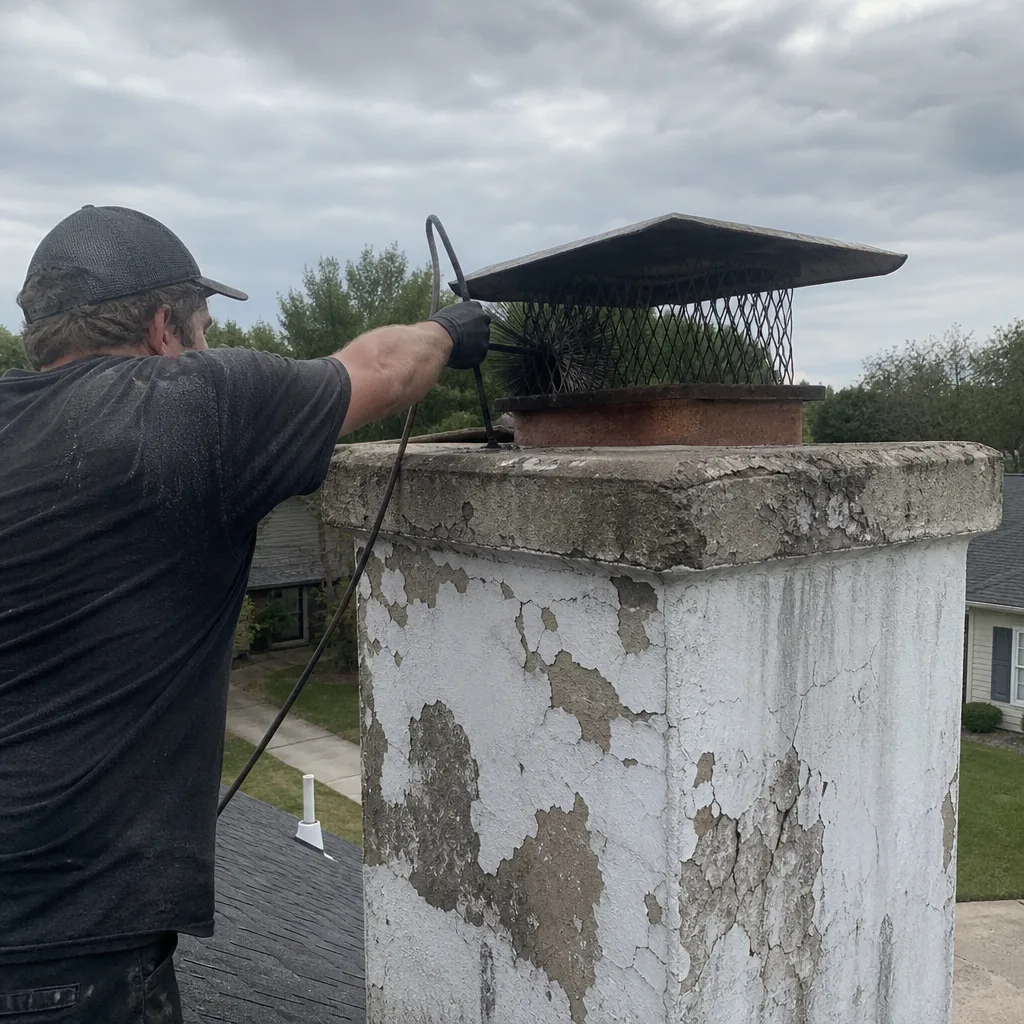 Before
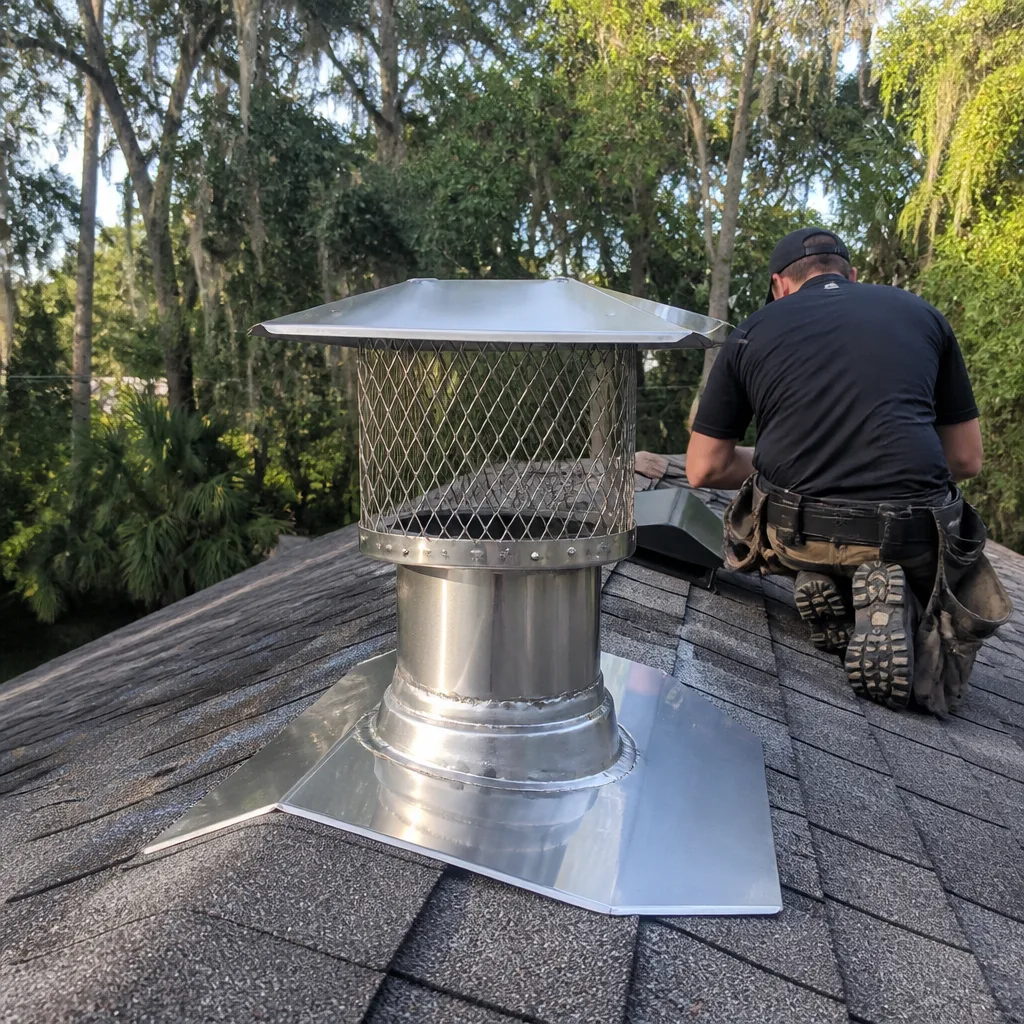 After
After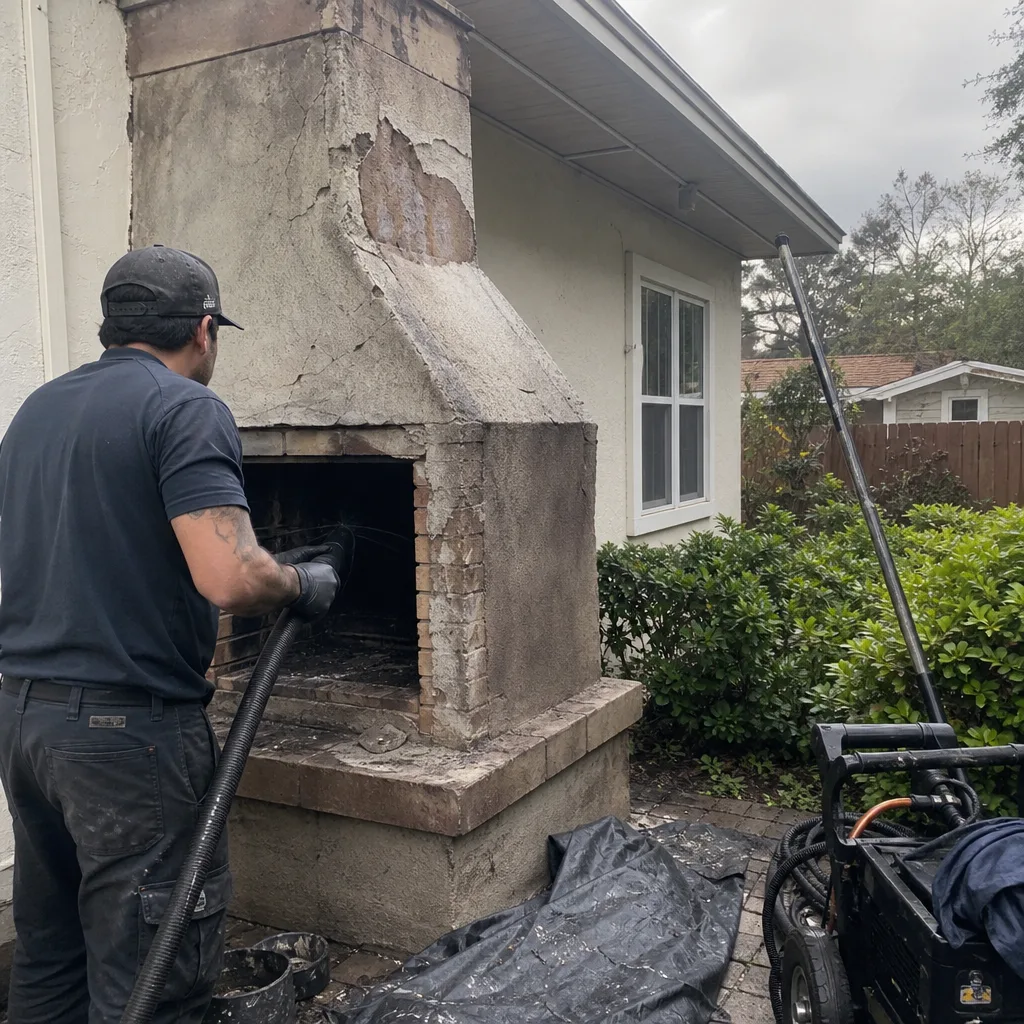 Before
 After
After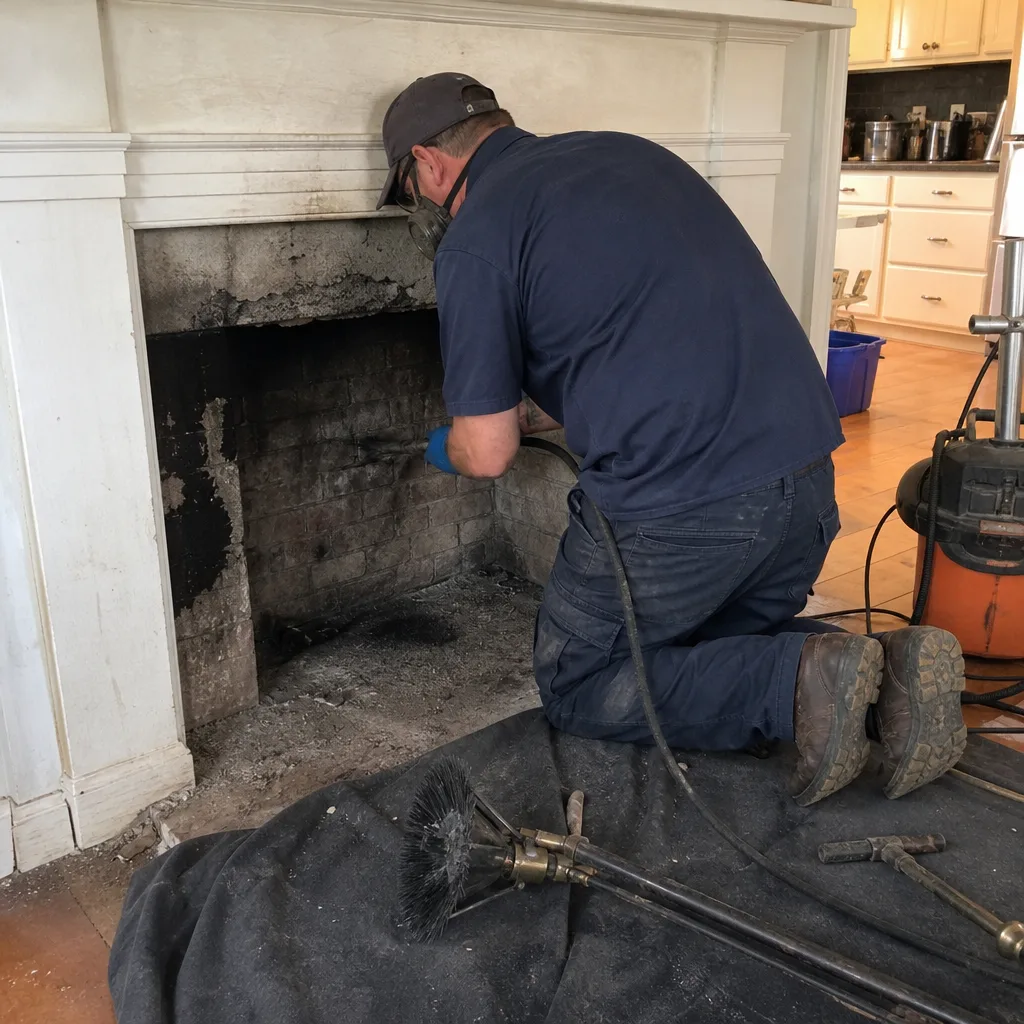 Before
 After
After