
Last updated October 15, 2026
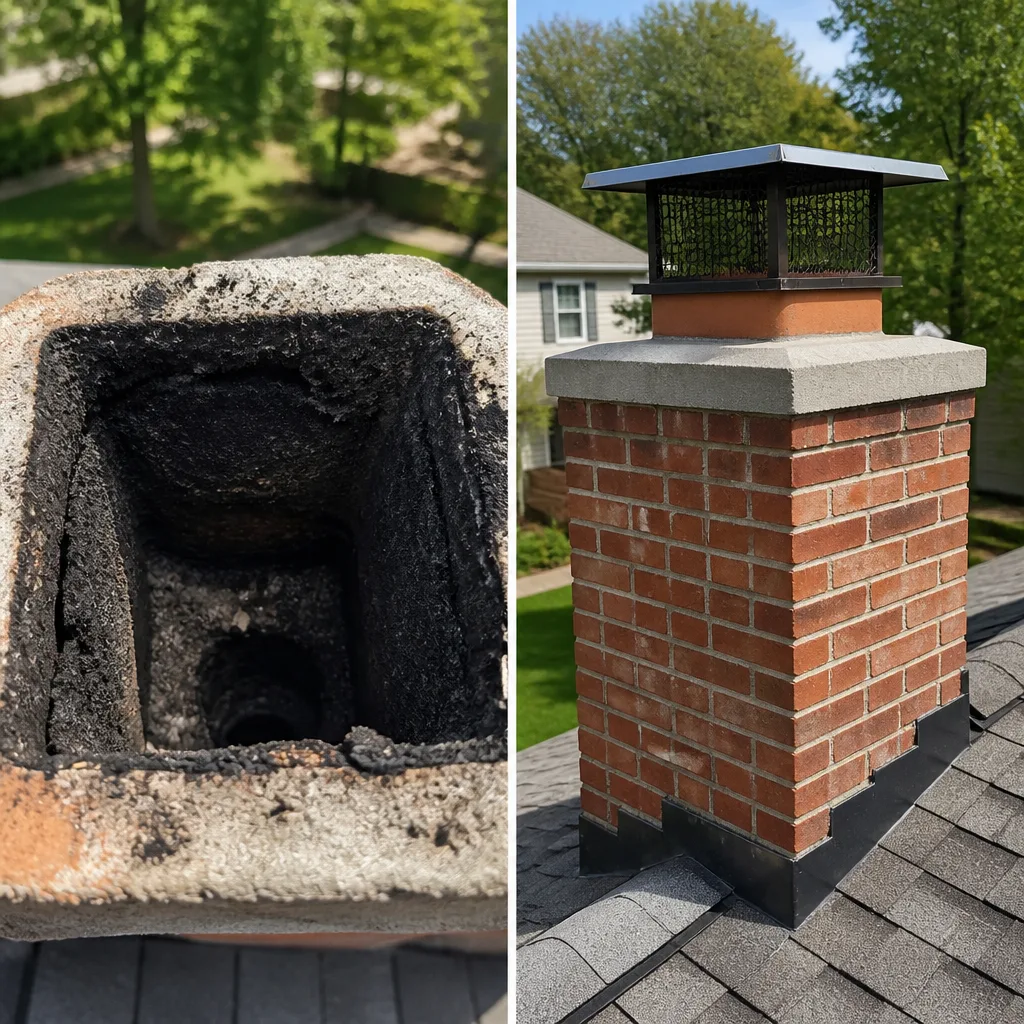 Sweep & inspection
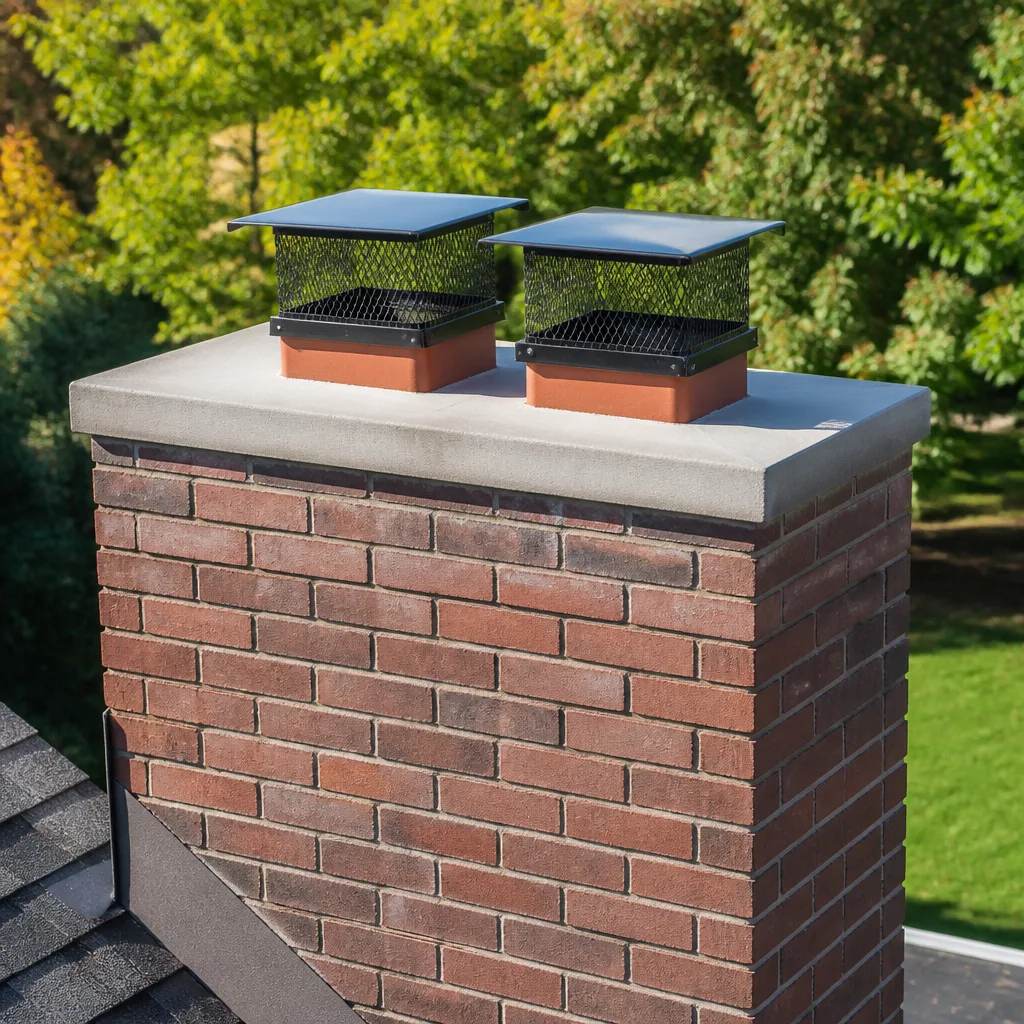 Caps & crowns
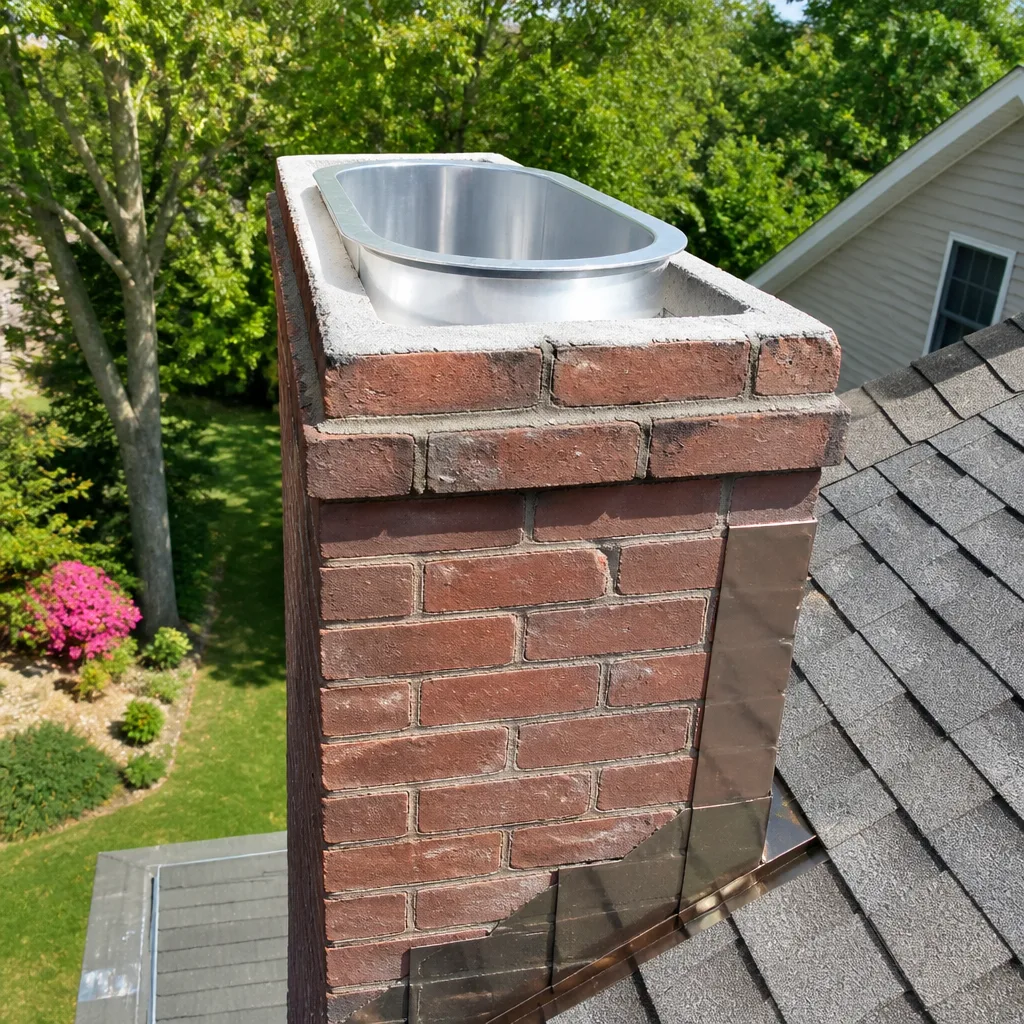 Flue relining
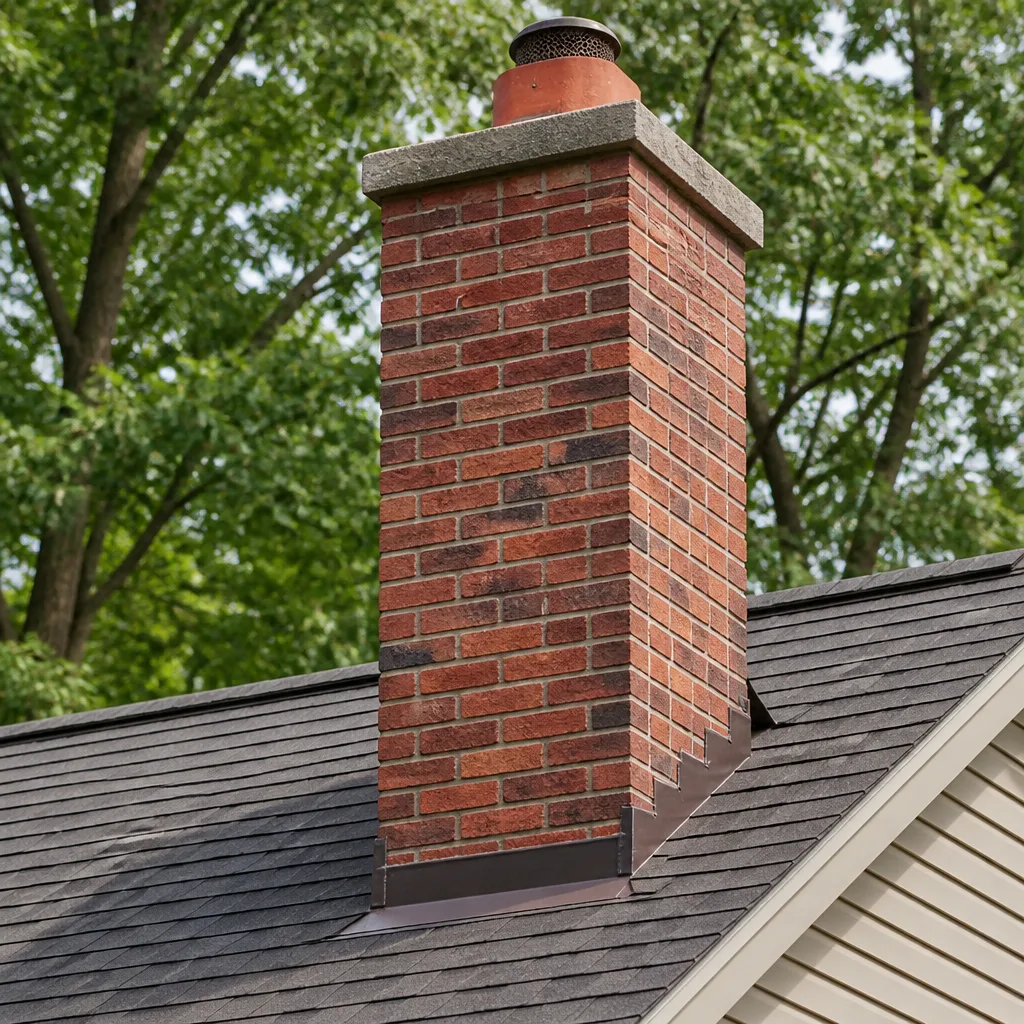 Masonry repair
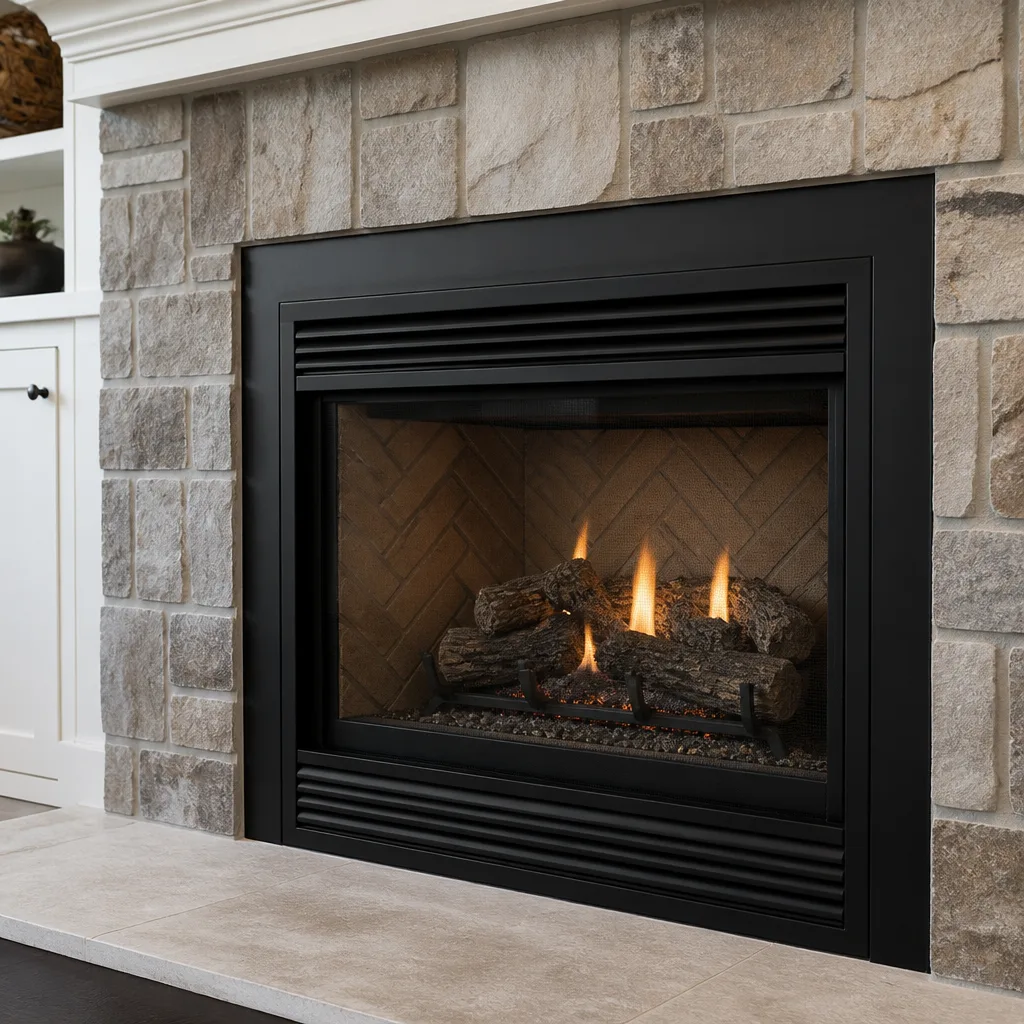 Gas fireplace service
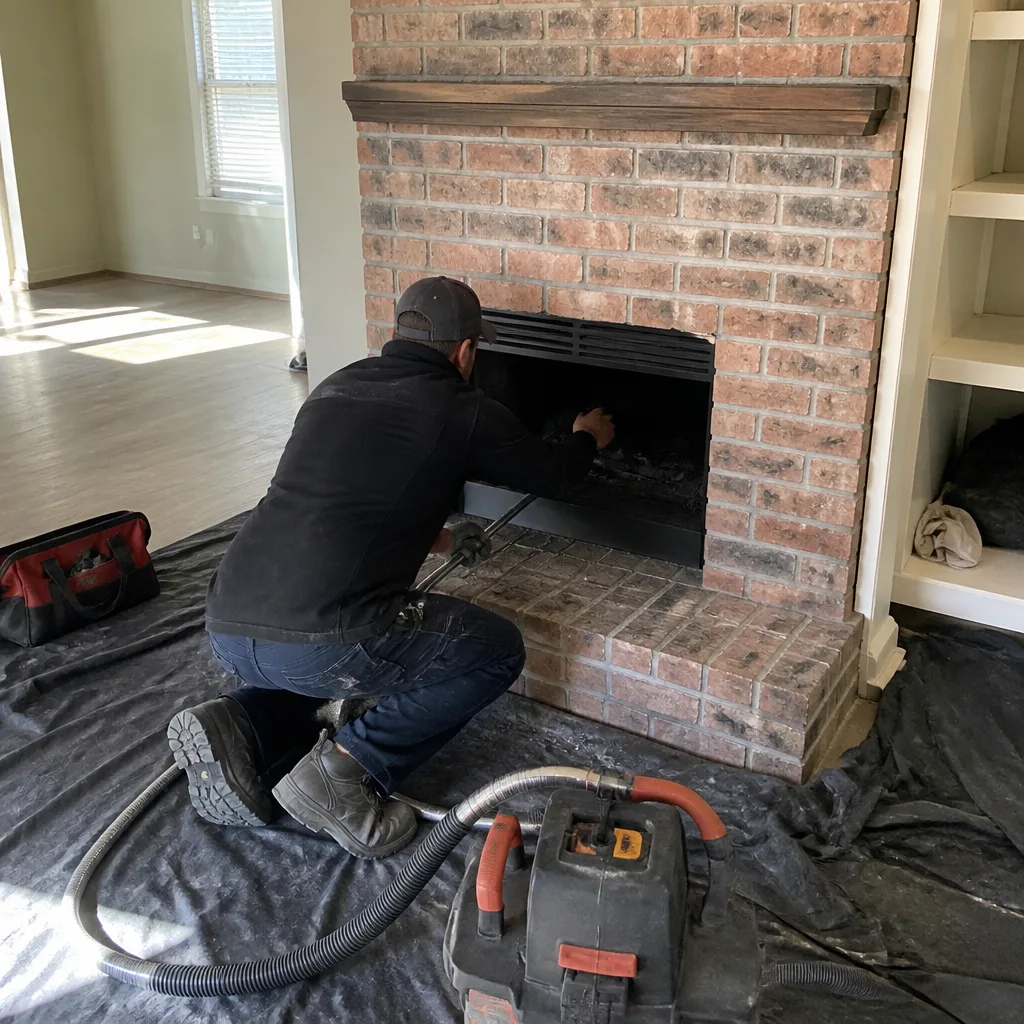
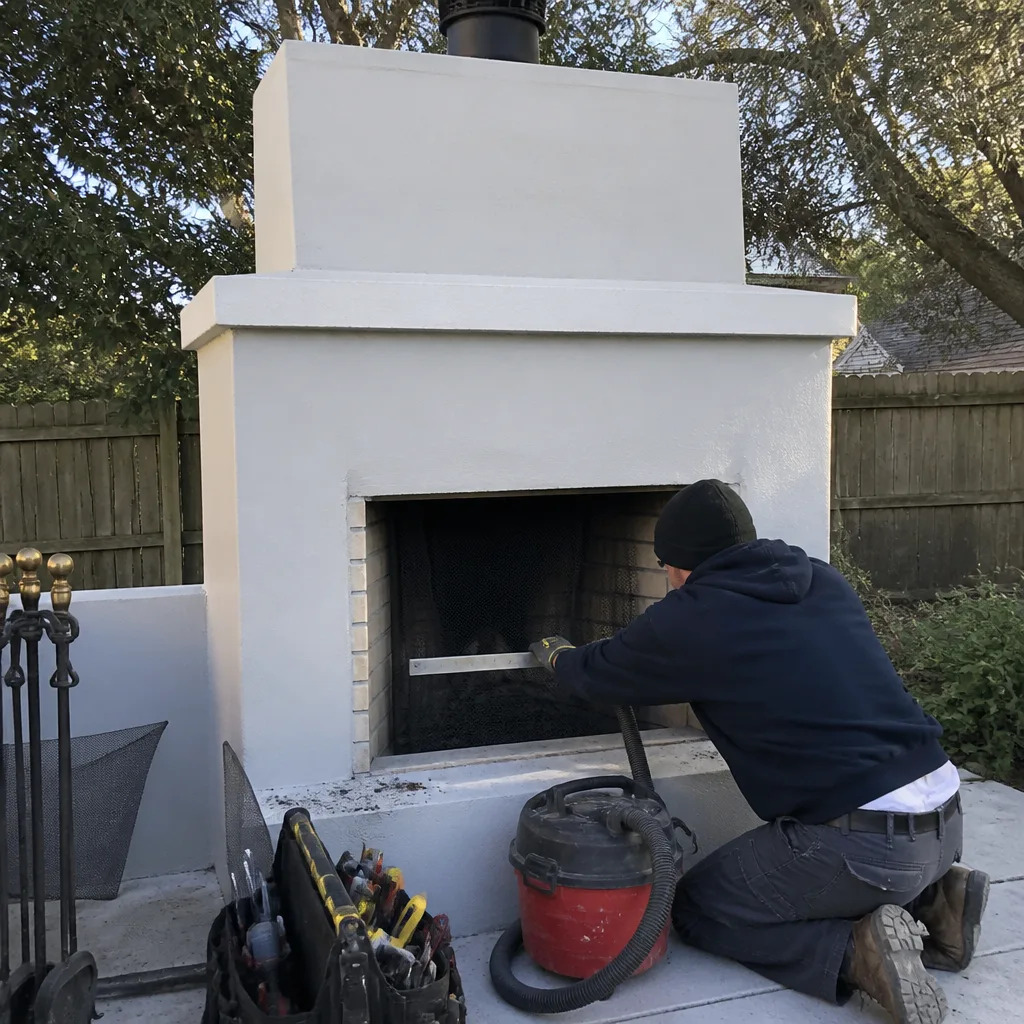
Level 1 sweep and inspection to the NFPA 211 annual standard - flue, crown, cap, and flashing checked and photographed
Chimney sweep logs do not sweep chimneys. They loosen some creosote - which then falls where a brush and vacuum still have to collect it.
Seasonal Chimney Cleaning Care for Jacksonville: Year-Round Homeowner’s Guide
The worst chimney damage Alcott technicians find in Jacksonville isn’t from heavy winter use. It’s from fireplaces that were sealed up after February and left untouched through a long, humid summer. Trapped moisture and animal intrusions during the quiet months create repairs that dwarf the cost of a simple off-season check. This guide walks you through what your chimney actually goes through all twelve months of the year in Jacksonville, when to do each maintenance task, and what you can safely handle yourself versus what deserves a trained eye. For Chimney Cleaning Warning Signs: A Jacksonville Homeowner’s Reference Guide, see our dedicated resource.
Styles & brands we work with
Quick Answer
Chimney care in Jacksonville is a 12-month job, not a winter-only chore. The off-season from March through October is when humidity, pollen, and animals do the most silent damage to an unused flue. A professional sweep should happen at least once a year (ideally before the first fire in November), and a quick exterior check after every named storm or heavy rain is worth the ten minutes it takes.
Table of Contents
- Why Jacksonville’s Climate Is Harder on Chimneys Than Most Homeowners Realize
- The Off-Season Protocol: March Through October
- Pollen Season (February – April): What It Does to Cap Screens and Draw
- Storm Season (June – November): Named Storms and Chimney Integrity
- Preparing for the First Fire (November): A Step-by-Step Checklist
- Burning Season (December – February): What to Watch While You Burn
- Common Mistakes to Avoid
- When to Call a Professional
- Frequently Asked Questions
- The Bottom Line
Why Jacksonville’s Climate Is Harder on Chimneys Than Most Homeowners Realize
Chimney care guides written for national audiences assume a freeze-thaw cycle. Jacksonville doesn’t have that problem. What we do have is an average relative humidity above 70 percent for most of the year, a pollen season that coats everything in fine yellow dust for weeks, and a hurricane season that brings wind-driven rain from June through November. A brick chimney is porous. Mortar joints are porous. A chimney cap screen has thousands of tiny holes. All of that porosity is an invitation for moisture.
Here’s what moisture does to a masonry chimney over a single Jacksonville summer:
- Mortar deterioration: Water soaks into mortar joints during afternoon thunderstorms, then the heat bakes it back out. This cycling causes the mortar to crumble from the inside out. We see spalling (flaking brick faces) and eroded joints in Jacksonville chimneys that have never had a chimney fire, simply because of humidity cycling.
- Creosote transformation: Creosote left in a flue from winter burning absorbs moisture from humid air. Stage two creosote (the shiny, tar-like kind) becomes harder and more stubborn when it cycles through wet and dry conditions. A flue that was easy to sweep in March can be significantly more difficult by October.
- Animal intrusion: A capped flue is not always a secure flue. Raccoons in Riverside and Avondale, squirrels in Mandarin and Southside, and chimney swifts anywhere there are mature oak trees all look at an unused chimney as a hollow tree. A loose or damaged cap is an open door. The damage from a raccoon nesting in a flue can run into thousands of dollars by the time the odor problem gets noticed.
- Damper rust: A cast-iron damper left closed in humid air will start to rust. Once the rust sets in, the damper gets harder to operate, and a stuck damper is a genuine safety issue when you light that first fire in November.
The pattern we’ve seen over and over at Alcott Chimney Jacksonville: a homeowner skips a year because “we barely used the fireplace last winter.” Then November comes, they light a fire, and smoke backs up into the living room because a rusted damper won’t open all the way, or an animal built a nest in a flue that hadn’t been checked since spring. The repair bill is always more than a sweep would have been.
The Off-Season Protocol: March Through October
Once you’ve had your last fire of the season, the chimney doesn’t go on vacation. It enters a period where it needs a different kind of care than it needs during burning season. Here’s the off-season protocol we recommend for every Jacksonville home, month by month.
March – April: Post-Season Sweep or Inspection
Schedule your professional Chimney Sweep in Jacksonville shortly after your last fire. There are two reasons to do this at the end of burning season rather than the beginning of the next one. First, creosote is easiest to remove when it’s fresh and hasn’t gone through a full summer of humid curing. Second, any repairs that the sweep reveals can be addressed during the slow months when you’re not worried about missing fireplace weather.
A standard chimney sweep in Jacksonville typically runs $180 – $340 before any repairs, depending on the height of the chimney, the accessibility of the roof, and the condition of the flue. At Alcott Chimney Jacksonville home, that price is always written down before we start, so there are no surprises at the end.
May – June: Damper Lubrication and Cap Check
This is a job many homeowners can do themselves safely. Open the damper fully and inspect it for rust. If it moves freely, you’re fine. If it’s sticky, a graphite-based lubricant (never a petroleum-based oil, which will bake into a gummy mess) can help. If the damper is visibly rusted or the handle is loose, that’s a call to a pro.
While you’re at it, do a visual check of the chimney cap from the ground. Is it still sitting level? Can you see any missing or lifted sections of the screen? A cheap pair of binoculars works fine for this. If the cap looks damaged, the fix is not urgent in June, but it’s worth getting on the schedule before hurricane season ramps up.
July – August: Exterior Mortar Scan
Walk around your house with a critical eye. Look at the chimney from at least two sides. What you’re looking for:
- White or gray staining on the brick (called efflorescence, it means water is moving through the masonry)
- Missing or crumbling mortar between the bricks (especially at the corners and near the top)
- Any bricks that look pushed out or misaligned
- Rust streaks below the chimney cap
- Dark spots that could indicate a leak dripping down the inside of the flue
In neighborhoods like San Marco and Ortega, where chimneys are older and brick has been exposed to decades of Florida humidity, exterior mortar deterioration is common. The fix is often a process called repointing, where we grind out the old deteriorated mortar and replace it with fresh material. Ignored, the damage worsens every summer.
September – October: Pre-Season Scheduling
This is when you want to book your pre-burning-season inspection if you haven’t already. October is our busiest month of the year at Alcott Chimney Jacksonville. If you wait until the first cold snap in November, you’ll be calling alongside every other homeowner in Duval County who just discovered their fireplace doesn’t work. Book in September or early October and you’ll have your choice of appointment times.
If you skipped the end-of-season sweep and haven’t had one all year, now is the time to get on the calendar. A full Chimney Inspection in Jacksonville is the most thorough way to confirm the flue is ready for fire.
Pollen Season (February – April): What It Does to Cap Screens and Draw
If you live in Jacksonville, you know the yellow film. Every horizontal surface gets coated. What most homeowners don’t think about is what that pollen does to a chimney system.
Chimney caps serve two functions. The solid top keeps rain out. The mesh sides let smoke escape while keeping animals and large debris out. During pollen season, those sides become a pollen filter. Oak pollen is sticky. Combined with the humidity, it forms a paste that clings to the mesh. Over several weeks, that paste can significantly reduce the open area of the screen.
Why does this matter? If you’re burning late in the season or using a gas fireplace during pollen months, the draw of the chimney depends on an unrestricted path for exhaust. A partially clogged cap screen reduces draft efficiency. That means more smoke lingering in the firebox, more creosote forming, and an increased chance of smoke spilling into the room on windy days.
Pollen also accelerates moisture retention. A pollen-coated cap screen holds humidity against the metal longer than a clean screen would. Over multiple seasons, that contributes to rust. We see cap screens in Jacksonville that need replacement after eight or ten years, compared to fifteen or more in drier climates.
The fix is simple and seasonal. In April or early May, brush the cap screen clean. If the cap is accessible from a ladder and you’re comfortable on one, a soft-bristled brush does the job. If you don’t want to get on a ladder, ask us to clean the cap during a routine sweep or inspection. It’s a two-minute job when we’re already on the roof.
Storm Season (June – November): Named Storms and Chimney Integrity
Jacksonville sits in the path of tropical storm and hurricane activity for half the year. The structural threat to a chimney is real, even from storms that never make landfall anywhere near us.
Here’s what wind-driven rain does to a chimney: it hits the chimney cap and the upper courses of brick at 40, 60, 80 miles per hour from multiple directions as the storm rotates through. Water gets driven into mortar joints that a normal vertical rainfall would never reach. The cap flashing (the metal where the chimney meets the roof) gets stressed by the wind load. Any small gap becomes a point of entry for gallons of water over the course of a multi-hour storm.
After every named storm passes through Jacksonville, we recommend a quick visual check:
- Is the chimney cap still in place and level?
- Are there any new water stains on the ceiling near the fireplace?
- Does the firebox smell musty or like wet ash?
- Can you see any bricks or pieces of mortar on the roof or in the gutters?
- Does the damper show signs of water running down the flue?
If you see any of these signs, don’t wait for the next storm. Water intrusion compounds. A small leak in July becomes a mold and odor problem by September. Alcott Chimney Jacksonville works with materials built to handle Florida’s conditions, including DuraFlex liner systems that hold up under repeated moisture exposure, and we inspect the flashing and cap closely during every Chimney Inspection in Jacksonville.
One more storm-specific tip: if you have a masonry chimney that hasn’t been repointed in years, the wind load from a strong storm can dislodge loose bricks. After a storm with sustained winds above 50 mph, check the ground around your chimney base for brick fragments.
Preparing for the First Fire (November): A Step-by-Step Checklist
The first fire of the season is a moment. It’s also the moment when problems that developed over the summer announce themselves. Here’s the pre-fire checklist we walk every Jacksonville homeowner through.
Step 1: The Smoke Draw Test
Before you light anything, open the damper fully. Close all doors and windows in the room. Roll up a single sheet of newspaper, light the end, and hold it up inside the firebox near the damper opening. The smoke should pull up into the flue immediately. If it drifts into the room instead, you have a draft problem. That could mean a clog from an animal nest, a damper that won’t open all the way, or negative air pressure from a tight house. Do not light a real fire until the draw is working. A failed smoke draw test is your signal to call for a professional inspection.
Step 2: Inspect the Firebox
Look at the firebrick inside the firebox. Firebricks are the light-colored refractory bricks that line the bottom and sides. Cracks in firebrick are normal after years of use, but if you can see gaps wider than a dime or mortar joints that have crumbled out entirely, those need repair before they’re exposed to direct flame.
Step 3: Clean Out the Ash
If you left ash in the firebox at the end of last season, remove it now. A thin layer (less than an inch) is fine and can actually help with fire building. A deep layer of ash restricts airflow and holds moisture against the firebox floor. When you do remove ash, give it several days to cool completely. Ash poured into a trash bag before it’s fully cooled is a house fire waiting to happen.
Step 4: Check the Damper Operation
Open it. Close it. Open it again. It should move freely through its full range. If it’s sticky, lubricate the pivot points with a graphite spray. If it’s rusted or you can’t get it fully open, that’s a professional repair, not a DIY job. A partially operating damper is dangerous because it can trap exhaust gases in the house.
Step 5: Verify the Cap Screen
If you haven’t checked the cap since storm season, do it now. From the ground with binoculars is fine. You’re looking for visible damage, lift, or debris clogging. A cap that’s missing a section of screen can let birds or bats in during the very months you’re actively burning.
Step 6: Check for Strange Smells
Before the first fire, step close to the firebox and sniff. A musty smell indicates moisture got in during the summer. A strong ammonia or animal smell suggests a nest somewhere in the flue. A sharp, acrid smell could indicate creosote. Any of these warrants an inspection before the first burn, because the heat of a fire will amplify them enormously.
Burning Season (December – February): What to Watch While You Burn
Jacksonville’s burning season is short and intermittent. We’ll have stretches in the 40s and 50s perfect for a fire, then a week back up in the 70s. Most Jacksonville homeowners burn 20 to 40 fires per year. That’s light compared to northern climates, but it’s enough to build up creosote, especially in wood-burning fireplaces that burn unseasoned wood.
During burning season, pay attention to:
- Smoke behavior: Smoke should pull up and out cleanly. If it hangs in the firebox or puffs into the room when the wind gusts, the draw is marginal. That’s an inspection-worthy issue.
- Soot deposits on the glass doors: A little heavy soot on glass doors after a few fires is normal. Soot building up after every single fire suggests the wood is too wet or the draw is weak.
- Unusual sounds: Popping and crackling from the wood is normal. Banging from the chimney itself is not, and warrants a look.
- Odor in adjacent rooms: A persistent smoke smell in rooms away from the fireplace can mean exhaust is leaking through a crack in the flue liner. This is a carbon monoxide risk and should be addressed immediately.
For homes with gas fireplaces, the burning season is when a Gas Fireplace Repair in Jacksonville need shows up most clearly. Gas fireplaces don’t produce creosote, but they do collect dust and pet hair in the burner and pilot assembly over the off-season. A gas fireplace that won’t stay lit on the first try of the season, or one with a lazy orange flame instead of a crisp blue one, is telling you the burner needs cleaning or the gas pressure needs checking.
When you do need a professional, know that every Alcott technician arrives the way you were told they would. You’ll see a name and photo before anyone knocks, and that person will show a photo ID badge at the door. Every time. That’s the Threshold Standard, and it’s not optional in our company.
Common Mistakes to Avoid
- Assuming an unused chimney is a maintenance-free chimney. A flue that sits idle through a Jacksonville summer is accumulating moisture, pollen, and possibly animal activity. The systems that fail aren’t the ones being used; they’re the ones being ignored.
- Waiting until November to schedule a sweep. October and November are the booked-solid months. Every chimney company in Jacksonville is scheduling two weeks out or more. Book the off-season sweep in March or early October and skip the wait.
- Closing the damper and sealing the fireplace for the summer without checking it first. If the cap is damaged or the flashing is leaking, sealing the fireplace just traps moisture inside a dark, warm space and accelerates mold growth.
- Treating a clogged cap screen as a minor issue. A cap screen full of oak pollen and debris restricts draw, which reduces burning efficiency and increases creosote formation. It’s a two-minute fix for a professional who’s already on the roof.
- Ignoring a slow-opening damper. A damper that’s sticking now will be worse in January. Dampers don’t self-heal. Lubricate it, have it repaired, or replace it before you need it.
- Using a fire to “test” whether the chimney is working. If the draw is off, you’ve just filled your house with smoke and possibly carbon monoxide. The smoke draw test with a piece of newspaper is the safe way to check before any real fire.
- Assuming roof damage after a storm is the only chimney concern. Wind-driven rain can get past a chimney cap and into the flue even when the roof itself shows no damage. Check your damper and firebox after every named storm, not just your shingles.
When to Call a Professional
You should call a chimney professional when the smoke draw test fails, when you see water staining on the ceiling around the chimney chase, when you smell something like wet campfire or animal musk in the firebox, when the damper won’t operate through its full range, or when a storm has lifted the chimney cap. These are not cosmetic issues. They point to real problems in the flue or the firebox that get more expensive the longer they wait. Alcott Chimney Jacksonville offers free estimates in Jacksonville – call (904) 453-7823 and you’ll get a live person, day or night, who can talk through what you’re seeing and whether it needs a visit.
Frequently Asked Questions
A standard chimney sweep in Jacksonville typically runs $180 – $340 before any repairs, depending on chimney height, roof accessibility, and flue condition. For a deeper look at pricing factors, see our Chimney Cleaning Cost Breakdown: The Jacksonville Homeowner’s Reference for 2026. Alcott Chimney Jacksonville gives every customer a written price before any work starts, so the number you see is the number you pay. Call (904) 453-7823 for an exact quote – estimates are free.
A wood-burning fireplace in Jacksonville should be swept at least once per year, even with light seasonal use. The combination of humid air and intermittent burning creates creosote that hardens over time and becomes more difficult and more expensive to remove. Gas fireplaces don’t need sweeping, but they benefit from an annual inspection and burner cleaning. Call (904) 453-7823 to schedule either.
Only if the camera inspection shows cracks, gaps, or deterioration that compromise the safety of the flue. At Alcott Chimney Jacksonville, we never recommend a liner replacement without showing you the camera footage ourselves. If the liner is intact, we’ll tell you that plainly and send you home with a clean flue and a written report. If it needs work, materials like DuraFlex and HeatShield are installed to manufacturer specs. You’ll always see the evidence before you approve the work. Call (904) 453-7823 to schedule an inspection.
In Jacksonville, the most common consequence is moisture damage: crumbling mortar, a rusted damper, a sticky cap screen, and possibly water staining around the chimney chase. Local regulations and inspection requirements are covered in our guide to Chimney Cleaning Permits, Codes & Inspections in FL: What You Need to Know. Animal intrusions are the second most common, especially in older neighborhoods with mature trees. The third consequence is creosote accumulation that creates a fire risk the first time you burn after a long gap. None of these improve on their own. A single inspection answers all three questions for about the cost of a dinner out. Call (904) 453-7823 to book one.
Yes, if the storm brought sustained winds above 50 mph or heavy wind-driven rain. A post-storm check doesn’t necessarily require a full professional visit, but you should at least visually check the cap, the damper, and the firebox for signs of water. If you see any, get a professional inspection. Wind-driven rain can find its way into gaps that normal summer thunderstorms never touch. Call (904) 453-7823 if you spot anything concerning.
Yes. Every Alcott Chimney Jacksonville technician passes a background check and identity verification before ever stepping on a customer’s property. Before your appointment, we send you the technician’s name and photo. When they arrive, they’re in uniform and carrying a photo ID badge that they’re required to show at the door. This is the Threshold Standard, and it applies to every visit without exception. Call (904) 453-7823 to book with confidence.
The Bottom Line
Chimney care in Jacksonville is a year-round responsibility because the off-season, from March through October, is when humidity and animal activity do their quiet work. A professional sweep once a year, ideally at the end of burning season or early in the fall, catches problems before they become expensive repairs. A few minutes of visual checking after storms and during pollen season protects a system that gave you warm winter evenings without asking for much in return. For more guides & resources on keeping your chimney safe year-round, explore our blog. And when you do bring in a professional, you deserve to know who’s coming to your door before they knock. That’s how Alcott Chimney Jacksonville has done it since 2002.
Written by Ruben Castellano, Owner at Alcott Chimney Jacksonville, serving Jacksonville since 2002.
See the difference
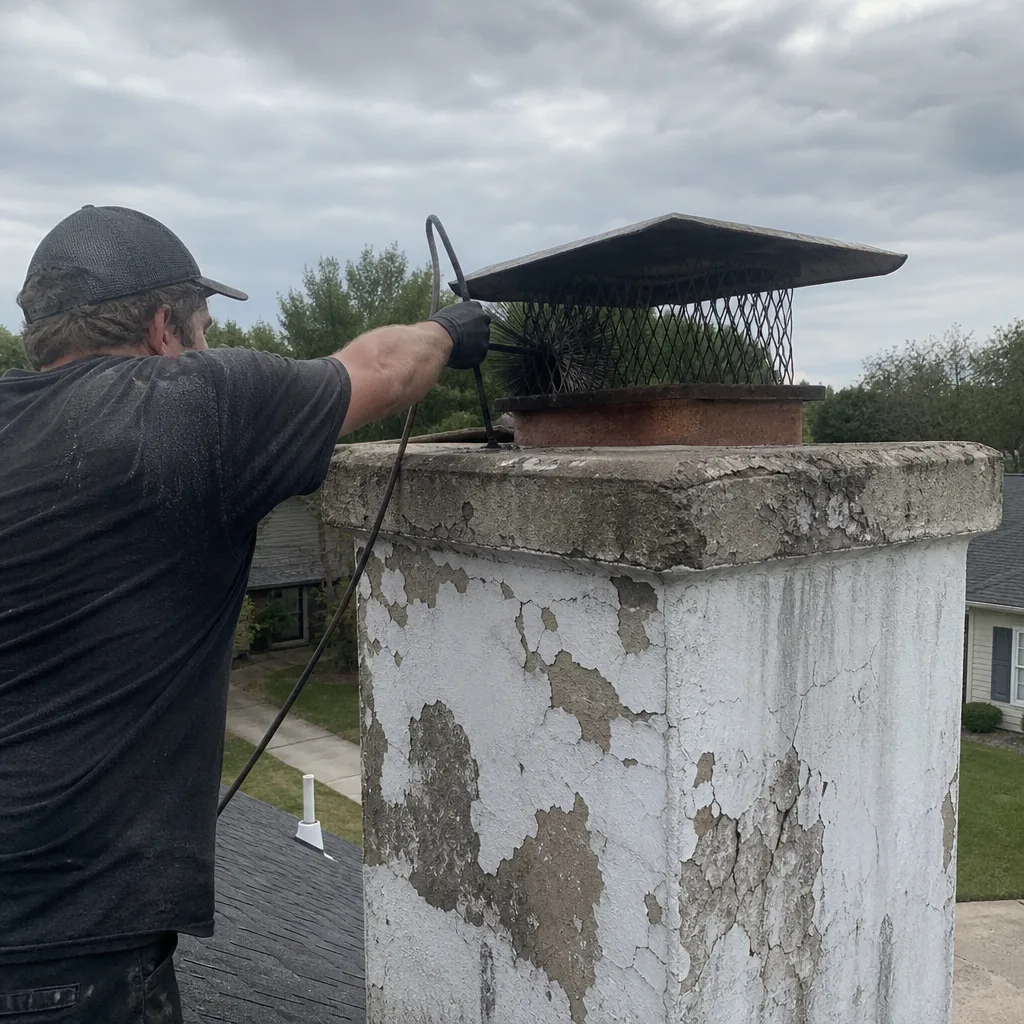 Before
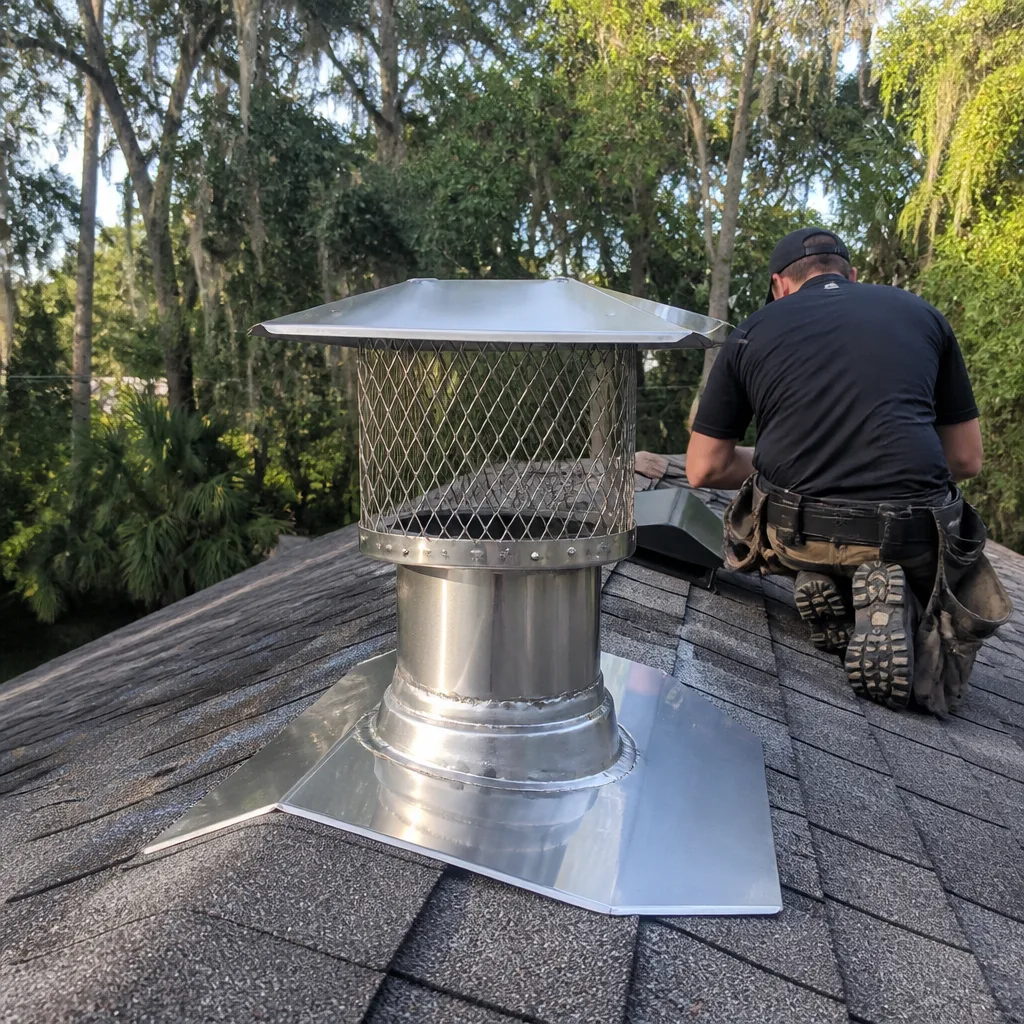 After
After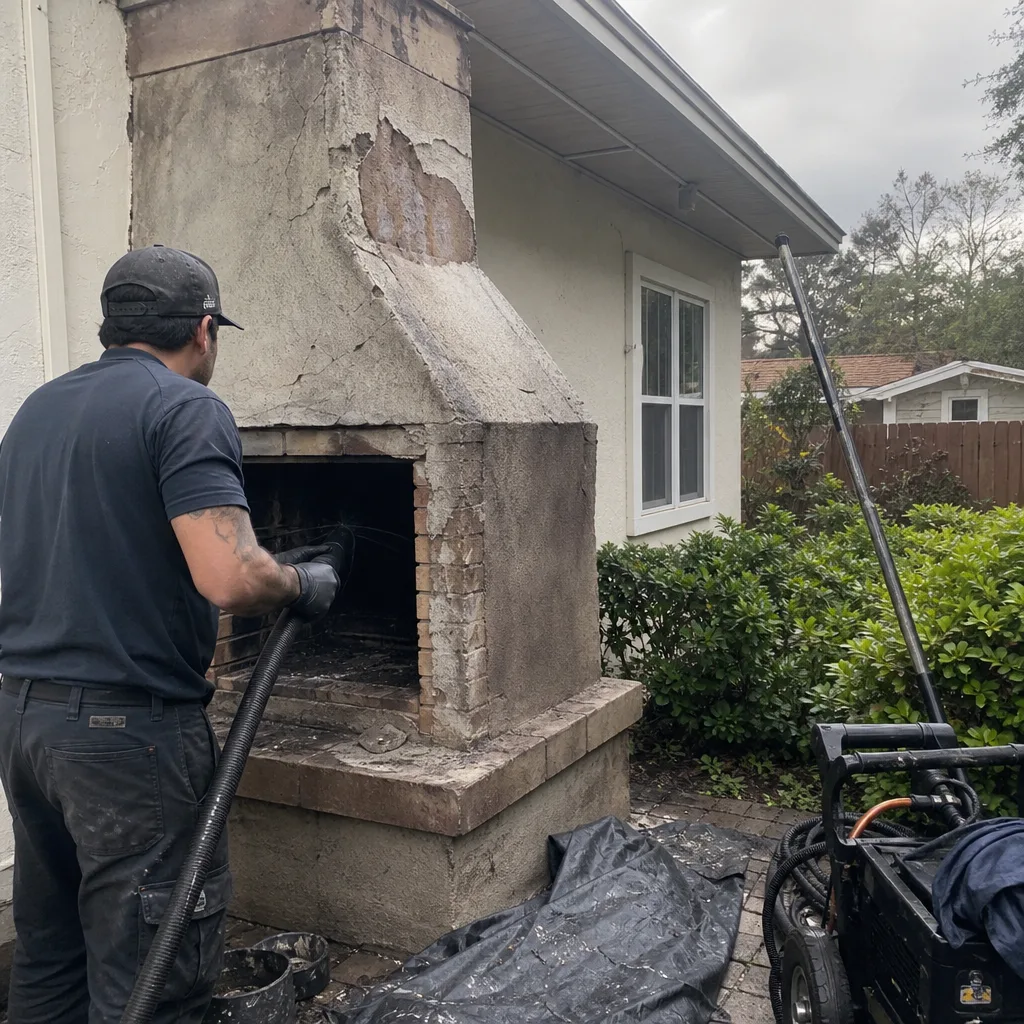 Before
 After
After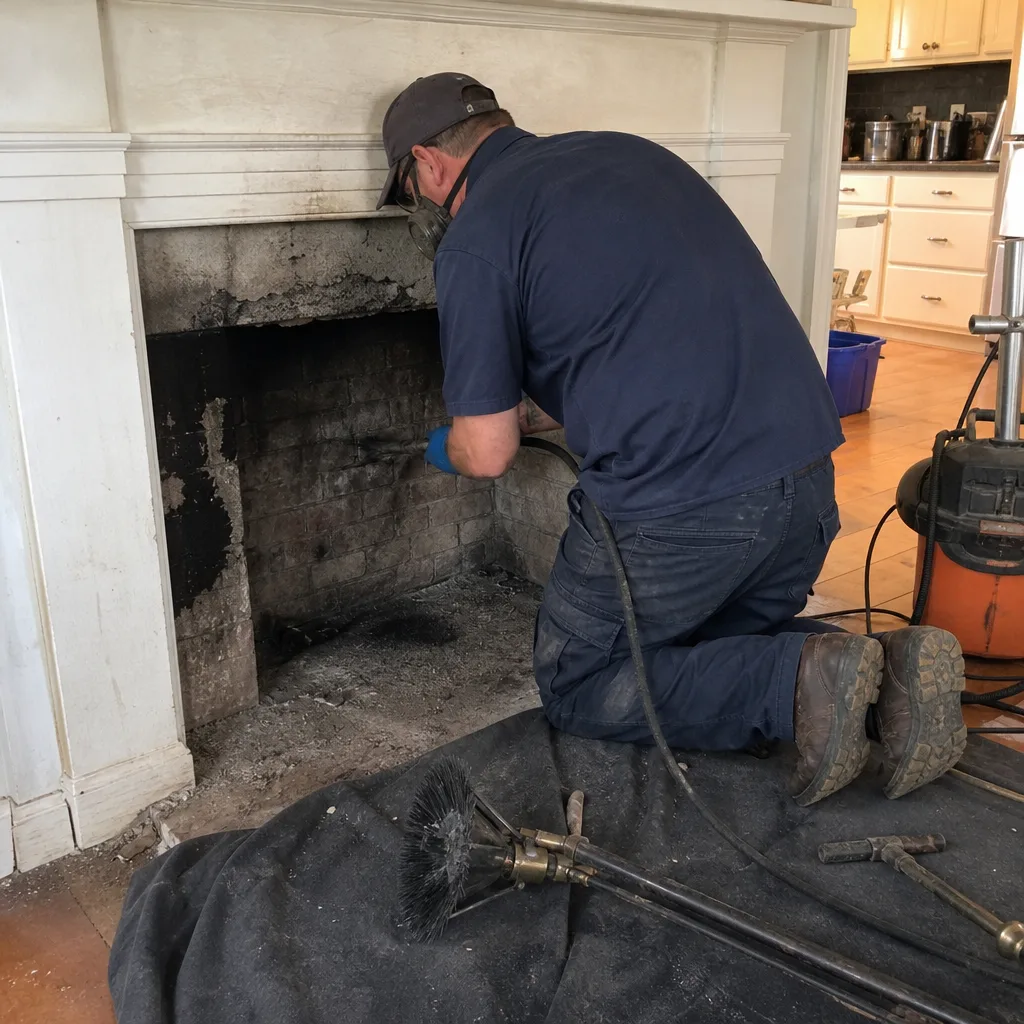 Before
 After
After