
Last updated October 15, 2026
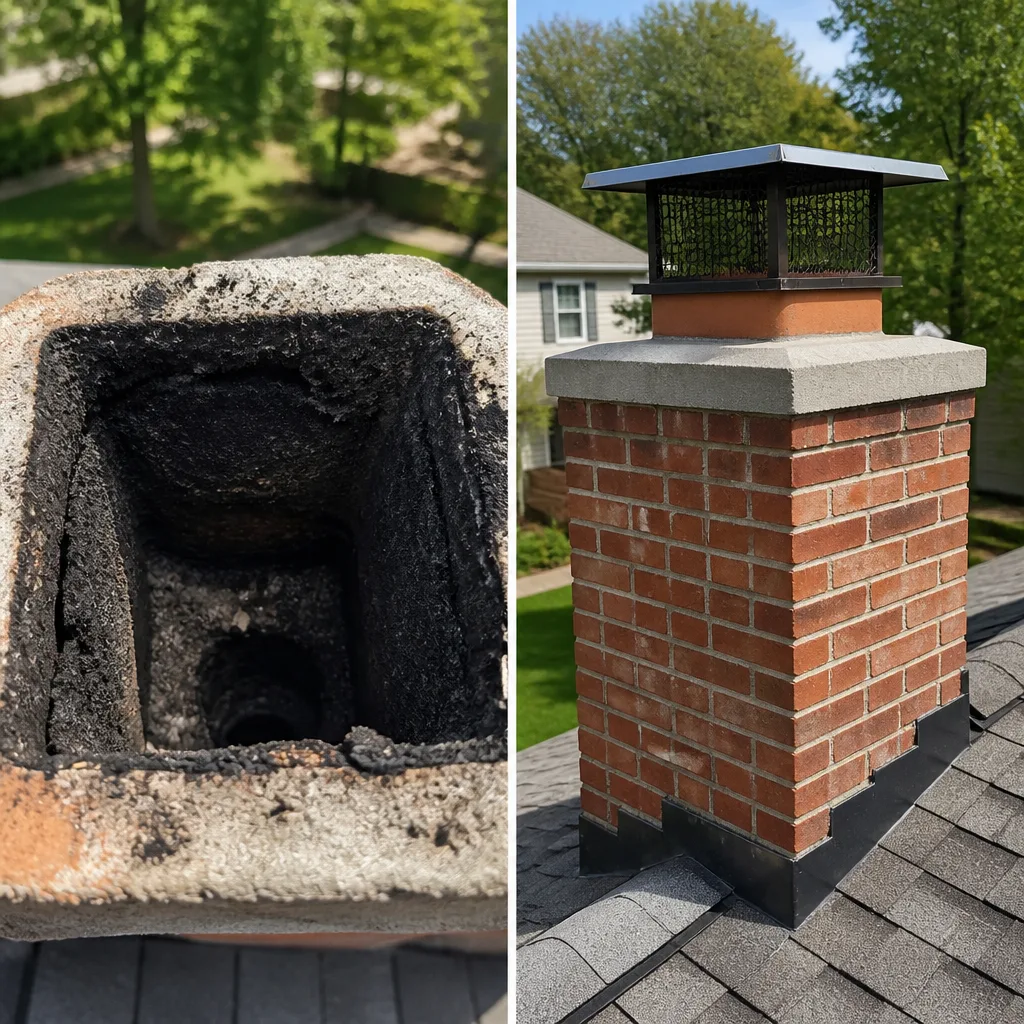 Sweep & inspection
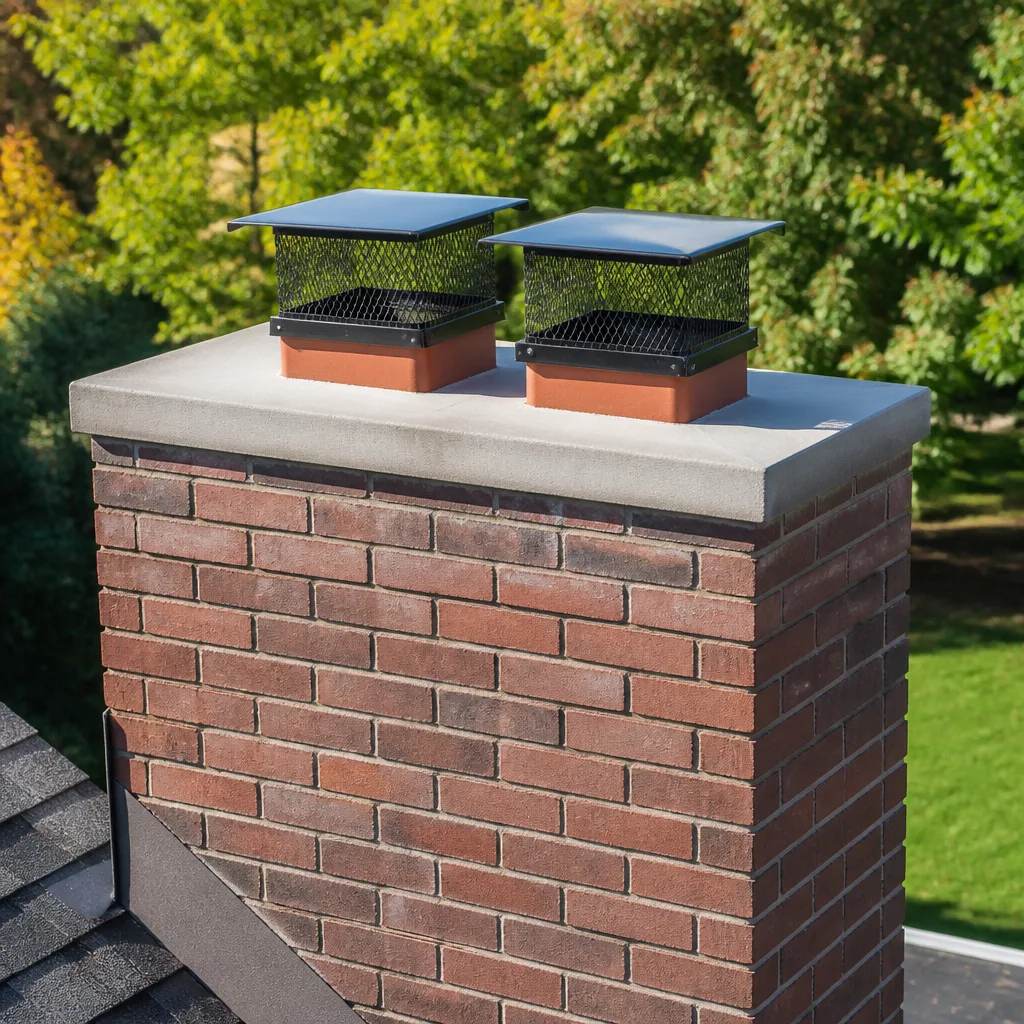 Caps & crowns
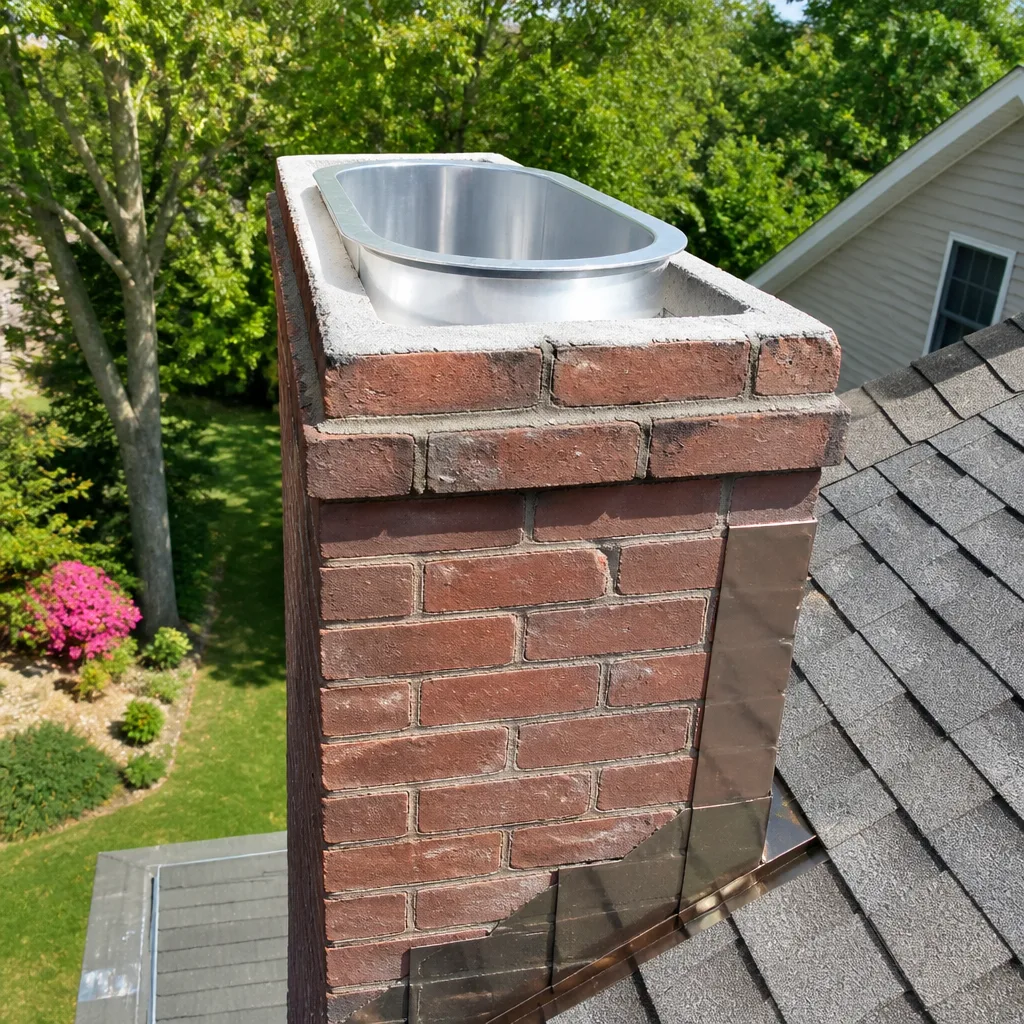 Flue relining
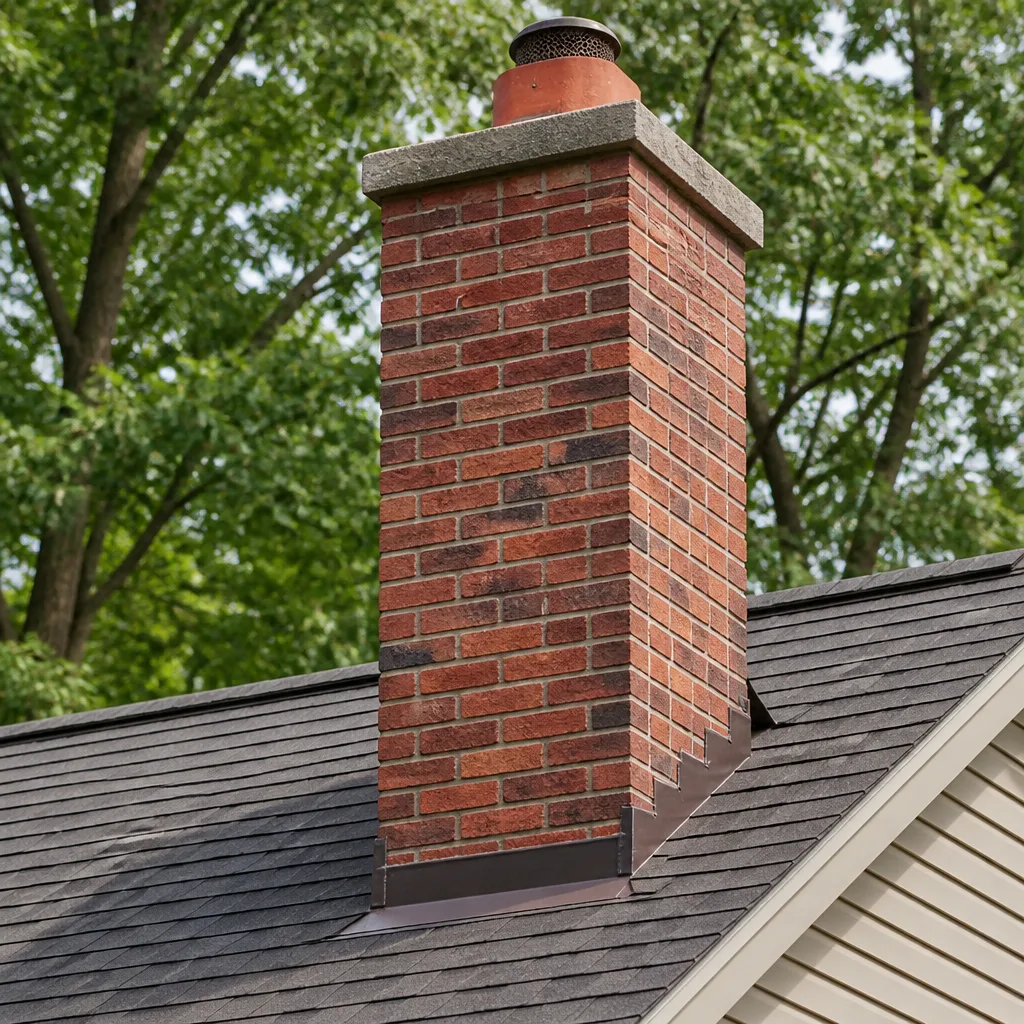 Masonry repair
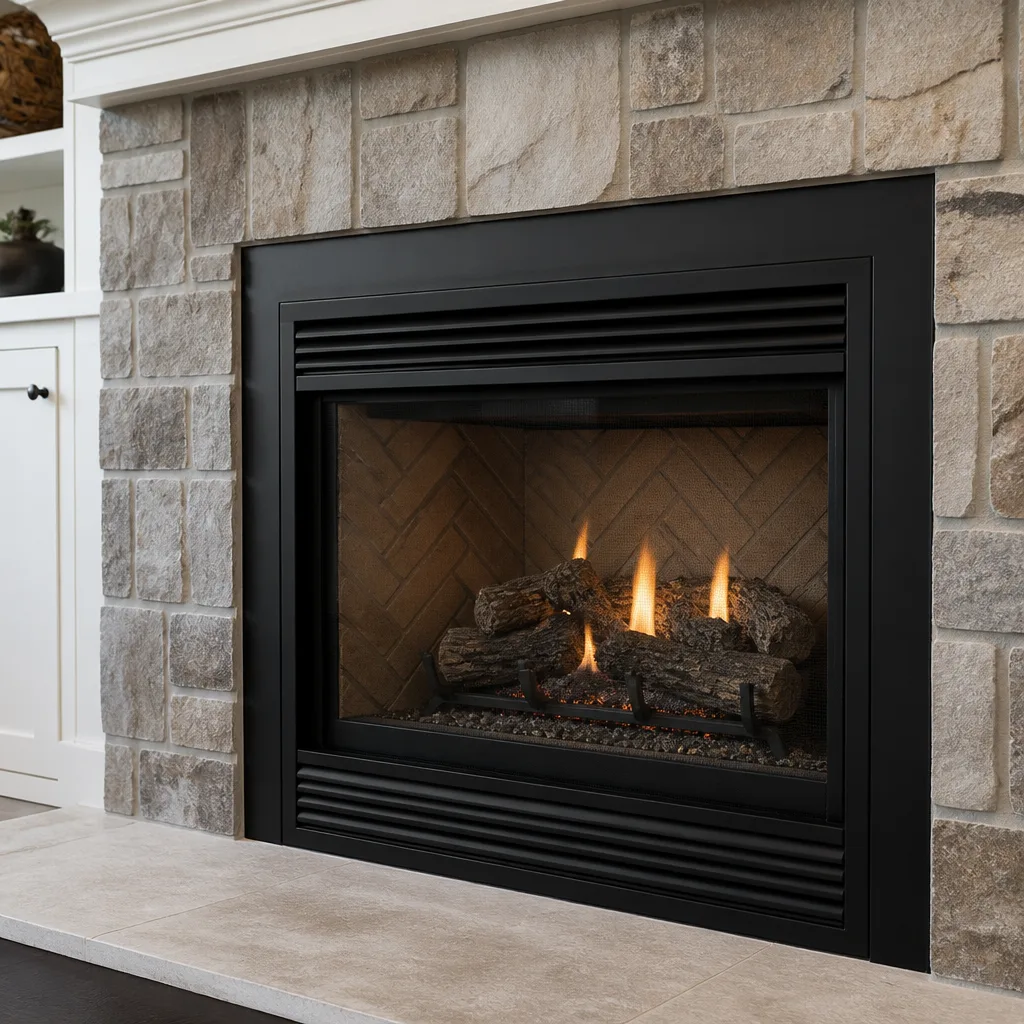 Gas fireplace service
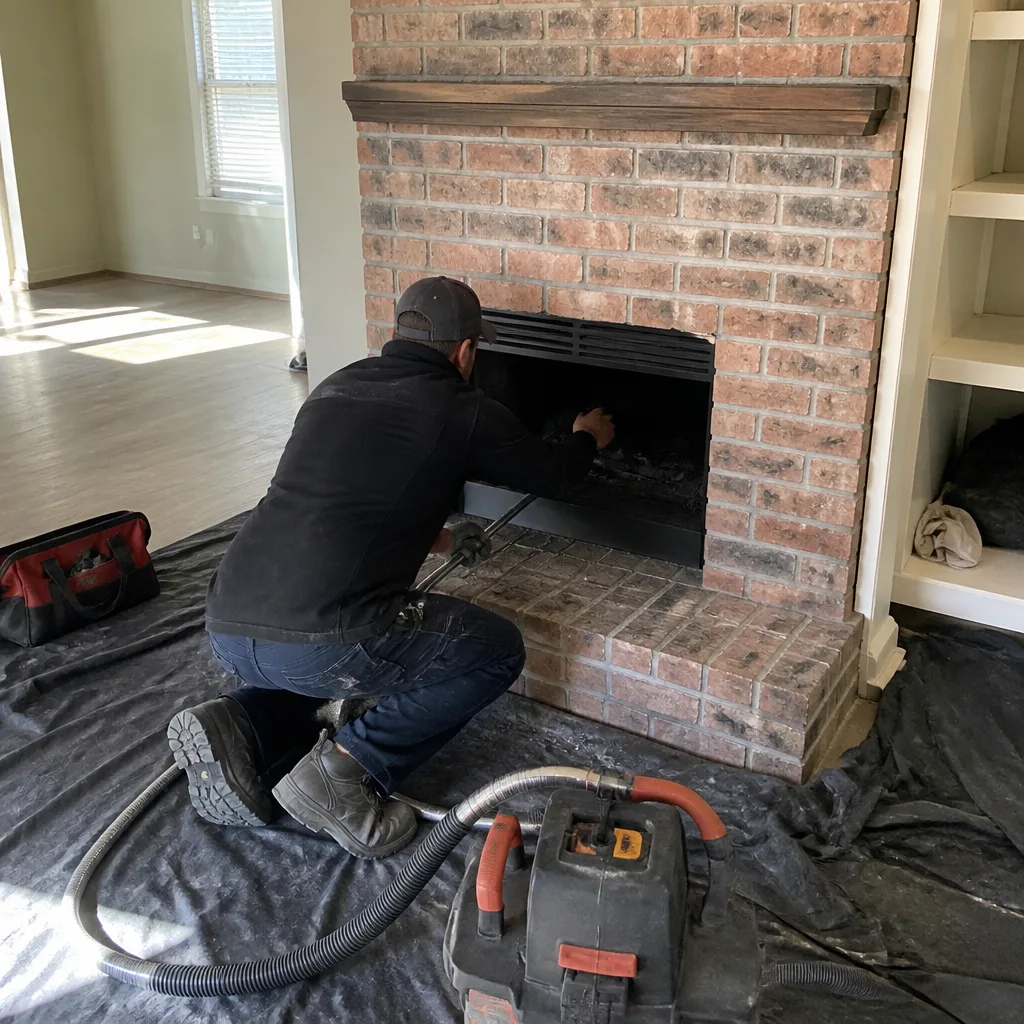
Level 1 sweep and inspection to the NFPA 211 annual standard - flue, crown, cap, and flashing checked and photographed
Chimney sweep logs do not sweep chimneys. They loosen some creosote - which then falls where a brush and vacuum still have to collect it.
Chimney Sweep Maintenance Checklist for Jacksonville Homeowners
Most homeowners in Jacksonville think the annual sweep is the whole job. It isn’t. And the single most overlooked task on any chimney maintenance checklist here is not the sweeping at all. It is the cap and crown inspection you do in October, after hurricane season has done its worst and before the first Duraflame log of the year. A single hairline crack in a chimney crown lets water pool against the clay flue liner, and one wet Northeast Florida winter is enough to spall that liner into dime-sized pieces that fall onto the smoke shelf. This guide gives you a month by month checklist built around Jacksonville’s actual calendar: hurricane prep, pine pollen, burn season, and the swampy stretch from June to September when your fireplace does nothing but hold damp air. You’ll learn which checks you can do from the ground with a flashlight and which ones need a certified technician, and how to document all of it without turning your phone into a mess of unlabeled photos.
Quick Answer
The core chimney maintenance checklist for Jacksonville homeowners is: schedule one professional Chimney Sweep service and inspection per year, ideally between late September and mid-November before burn season, run visual ground checks on your cap, crown, and flashing after every named storm, log your findings with dated photos, and address creosote accumulation once it reaches 1/8 inch thick. A standard sweep in the Jacksonville market typically runs $189 – $329 depending on chimney height and creosote stage, and is required by both the Chimney Safety Institute of America and most home insurance policies for wood burning fireplaces.
Styles & brands we work with
Table of Contents
- Month-by-Month Maintenance Calendar for Jacksonville’s Real Seasons
- DIY-Safe Visual Checks Homeowners Can Do Themselves
- What to Look For on the Firebox Floor, Damper, and Smoke Shelf
- How to Document Your Chimney Year Over Year for Insurance Claims
- Cap, Crown, and Flashing Checks After a Named Storm Passes
- Tools and Materials a Jacksonville Homeowner Should Keep on Hand
- Understanding Creosote: The Tar-Like Buildup That Causes Chimney Fires
- Common Mistakes to Avoid
- When to Call a Professional
- Frequently Asked Questions
Month-by-Month Maintenance Calendar for Jacksonville’s Real Seasons
A generic 12-month chimney calendar made for Chicago or Boston fails in Jacksonville. We don’t have a single “closing up the cabin for winter” moment. We have a burn season that runs roughly from late November through February, a hurricane season that runs June through November, and a pollen season in March and April that coats a chimney cap worse than any soot. Here is the actual calendar we recommend to homeowners in Jacksonville, Riverside, San Marco, Mandarin, and the beaches.
January and February: Active Burn Season Checks
- Watch the smoke at the top of your chimney on a cold morning. Thin, white, steady smoke is healthy. Thick, yellow-gray smoke that hangs low means incomplete combustion, often from wet wood or a clogged cap.
- Check your carbon monoxide detector battery on the first of each month. A chimney that drafts poorly in a January cold snap is a carbon monoxide risk, and you won’t smell it.
- Look at your firebox floor after every use. If you see a layer of shiny, black, tar-heavy buildup on the firebrick within a few fires, creosote is forming fast and you’re burning unseasoned wood or closing the damper too far.
March and April: Post-Burn Season and Pollen
- Schedule your annual professional sweep and inspection now if you didn’t do it before burn season. The chimney is cold, the creosote is dry, and a sweep removes the fuel load before summer humidity turns it acidic.
- Knock pollen off your chimney cap during a light rain if you can safely reach it. Pine pollen in Jacksonville builds up on caps and screens, and once it cakes with summer mildew, it blocks airflow.
- Check for early signs of masonry spalling on the exterior chimney face. Freeze-thaw cycles are less severe here than up north, but humid summers followed by cooler dry spells still take their toll on older brick.
May and June: Hurricane Season Prep
- Take photos of your chimney cap, crown, flashing, and the full exterior run from all four sides. These are your pre-storm condition records. File them in a folder called “Chimney – 2026 Baseline.” If a June storm tears off your cap, you have proof of what it looked like before.
- Check for rust on metal chimney caps and any exposed steel fasteners. Salt air from the beaches accelerates rust on caps, especially in Atlantic Beach, Neptune Beach, and Ponte Vedra.
- If you have a masonry chimney with a poured concrete crown, examine the crown edge for hairline cracks from the ground with binoculars. A cracked crown after a wet storm season is a slow leak that damages your flue liner over the following winter.
July, August, and September: Peak Storm Months and Dormant Fireplace Care
- Close your damper completely when the fireplace is not in use. A damper left open in humid Jacksonville air lets moisture into the firebox and smoke chamber, where it feeds mold and rusts metal dampers.
- After any named storm passes through Northeast Florida, run the visual storm check below. Do it within 48 hours. Hurricane-force wind can shift a cap, crack a crown, or peel flashing loose even when the masonry looks fine from the street.
- Do not burn anything in the fireplace between June and September unless it is an emergency. Summer burning in high humidity produces wet, sticky creosote that hardens into the hardest-to-remove stage three glaze.
October: The Critical Pre-Burn Inspection Window
This is the month that protects your entire burn season. In October, you want a certified chimney inspection that includes a camera look at the flue interior. Here is the step by step:
- Book your annual sweep and inspection for the second or third week of October. This is after hurricane season’s peak and before the first real cold snap.
- Before the technician arrives, gather your pre-storm photos from May and any post-storm photos from the summer. Compare them at the appointment.
- Have the technician check three specific things: the chimney cap integrity, the crown for hairline cracks, and the flashing where the chimney meets the roofline.
- If you plan to burn wood at Thanksgiving and Christmas, complete all repairs now. Waiting until November puts you in the busiest repair window of the year, and parts from manufacturers like Olympia Chimney can take extra time to source during peak season.
November and December: Burn Season Start
- Burn your first two fires small. A roaring first fire in a cold flue is hard on the masonry and dumps moisture into the system.
- Use only seasoned wood, ideally oak or hickory that has been split and stacked dry for at least 12 months. Jacksonville hardware store bundles often contain green pine, which produces far more creosote per fire.
- Check your smoke detector and carbon monoxide detector one more time before the holiday season when the fireplace gets its heaviest use.
DIY-Safe Visual Checks Homeowners Can Do Themselves
You do not need to climb on a roof to catch most chimney problems early. We tell Jacksonville homeowners this all the time: the most useful checks happen from the ground with a pair of binoculars and from the living room with a flashlight. Our DIY vs Professional Chimney Cleaning: The Jacksonville Homeowner’s Decision Guide covers what you can safely check on your own, and what you should not attempt without proper training and safety gear.
Checks You Can Do From the Ground
- Cap visibility: Stand in your yard and look at the top of the chimney. If you can’t see a cap at all, that’s a problem. A missing cap lets rain, birds, squirrels, and oak leaves directly into your flue.
- Cap tilt or detach: Look for a cap that sits crooked or has shifted to one side. High wind from a summer squall is enough to loosen old cap screws, especially on homes in Mandarin and the Southside where mature oak limbs hang close to roofs.
- Efflorescence (white staining): White, chalky stains on the exterior brick face are mineral salts left behind as water evaporates from the masonry. This means water is getting in and should be investigated.
- Crack patterns in the crown: Use binoculars to examine the crown, the concrete slab at the very top of the chimney that surrounds the flue opening. Hairline cracks that follow a spiderweb pattern are the early warning sign of water intrusion.
- Flashing condition: Look at the joint where the chimney meets your roof. Flashing that is pulled up, rusted, or covered in old caulk should be inspected by a technician. On steep-pitched roofs common in Riverside and Avondale historic homes, flashing failure is a leading cause of chimney leaks.
Checks You Can Do Inside
- Rain streaks in the firebox: Look for vertical water stains running down the inside of the firebox wall. That pattern means water is entering from above and running down into the firebox.
- Damper operation: Open and close the damper fully. It should move freely and seal evenly. A rusted or warped damper is an inexpensive fix if caught early and a nuisance all winter if not.
- Flue draft test: On a day when your fireplace has not been used in 24 hours, light a match or a lighter near the open damper and watch the flame. If it draws toward the flue, you have natural draft. If it wavers or pushes back into the room, you have a draft reversal that needs professional attention before any fire is lit.
- Smell in humid weather: After a heavy summer rain, sniff the firebox area. A strong campfire-like smell means airflow is moving down the flue and carrying creosote odor into your home. This is common in Jacksonville’s humid months and is usually a cap or damper issue.
What Requires a Certified Technician
Any inspection that requires climbing onto the roof or inserting a camera into the flue should be left to a professional. High-tension work on steep roofs, especially on two-story historic homes in Springfield and Murray Hill, involves real fall risk. A certified technician brings the right PPE, a proper ladder setup, and a camera system that can see the flue interior from top to bottom. Do not attempt a roof walk yourself as part of any maintenance checklist. The risk is not worth the $189 – $329 a professional sweep costs in Jacksonville.
What to Look For on the Firebox Floor, Damper, and Smoke Shelf
Most homeowners look at the firebox floor and see ash and charred wood. A trained eye looks at it and sees a maintenance log. Here is what to check on the firebox floor, the damper, and the smoke shelf above it, and what each finding tells you.
Firebox Floor Checks
- Ash depth: A thin dusting of fine gray ash is normal between sweeps. More than an inch of ash at the start of every fire means you’re burning more wood than the fireplace can handle efficiently and not cleaning between uses often enough.
- Shiny black flakes: Flakes that look like black glass or baked-on tar are creosote that has already ignited partially and re-condensed. If you see these, stop using the fireplace and schedule a sweep immediately.
- Cracked firebrick: Firebrick cracks wider than a nickel mean heat is reaching the masonry behind the firebox. Small hairline cracks are cosmetic. Wider cracks let heat and gases into places they don’t belong.
- Foreign debris after summer: In summer, leaves, twigs, and even dead insects fall through an uncapped or damaged flue. If you find oak leaves or pine needles in the firebox in October, your cap is compromised.
Damper Checks
- A damper that only opens halfway: The metal plate should retract fully into the damper frame. If it hangs, creosote or rust is interfering with its travel.
- A damper that won’t seal when closed: In the summer, a leaking damper lets air-conditioned house air escape up the chimney. In the winter, it lets warm air escape when the fire is not lit. A silicone-sealed damper repair costs far less than the energy loss over a year.
- Visible rust: Rust on the damper plate or frame means water intrusion from above. This is almost always a cap or crown issue, not a damper issue on its own.
Smoke Shelf Checks (Use a Mirror and Flashlight)
The smoke shelf is the flat area just above the damper opening where the smoke chamber widens. You can’t see it directly, but you can see it with a mirror angled upward through the open damper. Here’s what to look for:
- Creosote piles from the flue above: If creosote has fallen and collected on the smoke shelf, it means the flue is heavily coated and needs a professional sweep. A smoke shelf packed with creosote restricts smoke flow and increases fire risk.
- Debris nests: Birds, especially chimney swifts, build nests in the smoke shelf area during summer. A nest in the smoke shelf is a fire hazard and must be removed by a professional, not by hand from below.
- Water stains or moisture: Dark stains on the smoke shelf indicate water has pooled there. This points to a top-down leak through the crown or cap.
If any of these checks show creosote buildup over 1/8 inch thick, or if you can’t see the smoke shelf clearly enough to evaluate it, book a professional chimney sweep in Jacksonville who can camera-inspect the flue and clear the shelf properly.
How to Document Your Chimney Year Over Year for Insurance Claims
Jacksonville homeowners insurance claims for chimney damage after a storm season fail more often than they should, and the reason is almost always documentation. You cannot prove a hurricane cracked your crown if you never photographed the crown before the storm. Here is a simple system that takes about 20 minutes once a year and protects you if something fails.
Step-by-Step Annual Documentation
- Create a dedicated folder on your phone or computer called “Chimney – [Year].” Do this once and keep it forever.
- Take a baseline photo set every May before hurricane season starts: full chimney from each side of the house, close-up on the cap from the ground, close-up on the crown from the ground, close-up on the flashing joint, and an interior shot of the firebox and damper.
- Repeat the photo set after any named storm that passes within 100 miles of Jacksonville. Do this within 48 hours, before you clean up or make any repair.
- Store inspection reports from your annual professional sweep in the same folder. A written report with dated photos from a certified technician is stronger than your own photos if you ever file a claim.
- Note every repair you make or have made: the date, the parts used, and the technician’s name. In our own work in Jacksonville, we write every detail of a repair on the invoice including the brand of materials used, whether that’s a Gelco crown sealer or specific Family-owned components. Keep that invoice.
What to Document and Why
- Pre-storm condition: Shows your insurer that damage is new, not pre-existing. This is the single biggest factor in whether a claim gets approved.
- Crown cracks: Wide-angle and close-up shots of any crack you find. Cracks under 1/8 inch wide are repairable with a crown sealer. Cracks that widen over time indicate structural movement that may be claim-relevant.
- Flashing condition: After heavy rain or a storm, photograph any areas of the flashing that show water stains. This connects the event to the damage.
- Cap damage: If your cap is dented, shifted, or missing after a storm, photograph it from the ground clearly enough that the damage is visible. Then call a professional.
- Interior water marks: Photograph water streaks in the firebox immediately when you first notice them, with a timestamp. Delays make it harder to claim storm damage.
A homeowner who has three years of consistent baseline photos plus a professional chimney inspection in Jacksonville report has a far stronger claim than one who has a single blurry photo of a crack taken after the fact. This is the cheapest insurance upgrade you can give yourself, and it costs nothing.
Cap, Crown, and Flashing Checks After a Named Storm Passes
Northeast Florida’s chimney systems take a beating every hurricane season, even from storms that never make direct landfall. Outer-band wind, heavy rain, and wind-launched debris are enough to damage a chimney on any home from the St. Johns River to the Intracoastal. Here is the exact post-storm checklist we give to homeowners across Jacksonville.
The 48-Hour Post-Storm Chimney Check
- Cap check from the ground: Walk around the house and look at the chimney cap from at least two angles. Is it centered? Is it bent? Are any mesh screen sections pulled away? A cap that has shifted even 2 inches can let wind-driven rain into the flue.
- Crown check with binoculars: Inspect the crown for new cracks, chips, or areas where the concrete looks washed out. Fresh damage appears as clean-edged chips rather than older weathered cracks. Flag anything that looks new.
- Flashing check at the roofline: From the ground or a safe ladder at the eave, check whether the flashing has been pulled up by wind. Look for gaps between the flashing and the brick, or flashing that has a crease line from wind pressure that it didn’t have before the storm.
- Interior check: After the storm passes, check the firebox for water entry. Look for wet spots on the firebox floor, water streaks on the firebrick walls, and drips from the damper area. Actively wet areas mean water is getting in now, not later.
- Smell check: A stronger-than-normal creosote smell in the room after a storm means the cap or damper has been compromised and the flue is now drafting improperly.
When to Call Immediately vs. When It Can Wait
- Call immediately: Visible cap damage, flashing pulled loose, active water entry in the firebox, or a cracking sound in the chimney during high wind. A damaged cap or flashing that lets water in is a compounding problem, not a static one.
- Can wait until the next available service appointment: Hairline crown cracks under 1/8 inch, minor cap screen dents, and dry flue debris. These should still be repaired within the season, but not at midnight during a storm.
After any named storm, we recommend a professional inspection if you find any damage at all. A technician with a camera can determine whether water has entered the flue liner and whether the cracked crown has allowed moisture to reach the masonry below. In our experience in Jacksonville, a cracked crown is the most common storm-related damage we see after September and October systems.
Tools and Materials a Jacksonville Homeowner Should Keep on Hand
You do not need a truck full of equipment to maintain a fireplace. Most of this lives in a $40 bin in the garage. Here is what we recommend keeping on hand, and what to leave to a professional.
Homeowner Maintenance Kit
- A good pair of binoculars for ground-level chimney cap and crown checks. A basic 8×42 pair is enough to see cracks from the yard.
- A bright LED flashlight for firebox and damper checks, plus a small inspection mirror on a telescoping handle for the smoke shelf.
- A carbon monoxide detector on each floor, not just one in the hallway. Jacksonville has a high proportion of older homes with aging flues, and unvented gas logs are more common here than many other markets.
- A chimney cap debris brush with a telescoping pole if you have a low, single-story chimney you can reach safely without leaving the ground. This is for clearing pollen and loose debris from the cap exterior, not for reaching into the flue.
- Ash bucket with a metal lid and a small fireplace shovel. Never empty ash into a plastic bag. Embers can stay hot for 48 hours and Jacksonville’s summer heat doesn’t help.
What to Leave to a Technician
- Chimney sweeping rods and brushes: Sweeping a flue is not like cleaning a gutter. The rods run from the top down or the bottom up, and improper technique can damage clay liners or send a brush through a weak section. This is professional work.
- Chemical creosote removers: The sprays and powders sold as “creosote removers” at box stores work on stage-one creosote only. They are not a substitute for a sweep and cannot remove stage-two or stage-three creosote. We do not recommend relying on them for wood burning fireplaces in Jacksonville.
- Any camera inspection: The flue interior requires a professional camera system with a rigid or semi-rigid push rod. A phone on a selfie stick cannot do this job.
- Masonry patching and crown sealing: Patching brick or applying crown sealers requires surface prep, the right material for the season, and correct application temperature. In Jacksonville’s spring humidity, applying a sealer on a damp crown means the sealer fails in months.
Understanding Creosote: The Tar-Like Buildup That Causes Chimney Fires
Creosote is the condensed residue of unburned wood gases that coats the inside of your flue as smoke cools on its way up the chimney. In Jacksonville’s humid climate, creosote forms faster than in drier regions because moisture in the air cools smoke more quickly and lets more of it condense on the flue walls; see The Complete Guide to Chimney Cleaning in Jacksonville for a full breakdown of local conditions. A standard chimney fire in a residential flue burns at over 2,000 degrees Fahrenheit, hot enough to crack a clay tile liner in seconds.
The Three Stages of Creosote
- Stage One: Flaky dust. A fine, soot-like layer that a standard brush can remove in one sweep. This is normal and expected between annual cleanings.
- Stage Two: Granular and tar-like. A thicker, dark, flaky or tar-like layer that requires more aggressive rotary cleaning. This building up is a sign that your fires are burning too cool or your wood is too wet.
- Stage Three: Hard, shiny glaze. This is the real fire hazard. It looks like a layer of black glass baked onto the flue wall and it cannot be removed by a standard brush. In our work across Jacksonville, stage-three glaze is most common in fireplaces used with unseasoned oak or pine from roadside bundles and fireplaces that went years between cleanings.
How Fast Does Creosote Build Up?
In a typical Jacksonville home burning seasoned oak twice a week during the four-month burn season, approximately 1/8 inch of creosote accumulates by the end of one season. That is the CSIA threshold for scheduling a sweep. Burning green wood, closing the damper too far, or using a fireplace insert without a proper liner can accelerate that accumulation dramatically. Some fireplaces we’ve serviced in Arlington and the Westside had 1/2 inch of creosote after a single season of burning unseasoned pine from backyard felling.
What You Can Do to Slow Creosote Buildup
- Burn only seasoned hardwood with a moisture content below 20 percent. In Jacksonville, that means firewood that has been split, stacked off the ground, and dried for a full year. A moisture meter costs about $30 and tells you in one second whether your firewood is ready.
- Never burn construction lumber, plywood, or treated wood. These release resins and chemicals that deposit a toxic, hard-to-remove creosote layer.
- Keep the damper open enough to maintain good airflow. Closing the damper too far to “hold the fire overnight” is one of the fastest ways to build up creosote. Use the manufacturer’s recommended setting.
- Avoid long, smoldering fires. Small, hot fires produce less creosote than a large chunk of wood burning low and slow. The hotter the flue gas, the less condenses on the flue wall.
Common Mistakes to Avoid
- Skipping the annual sweep because “we only use the fireplace a few times a year.” Even a few fires a season produce creosote, and creosote accumulates across years. In Jacksonville’s humidity, that buildup stays damp and acidic in the off-season, which accelerates masonry deterioration.
- Burning pine from the backyard after a storm. Fresh pine is wet and full of resin, both of which produce creosote fast. If you wouldn’t burn it in a wood stove, don’t burn it in your fireplace.
- Treating the chimney as fire-only maintenance. A chimney is also a water management system. The cap and crown are your first line of defense against Jacksonville rain and humidity, and they need as much attention as the flue itself.
- Using a chemical creosote spray instead of sweeping. Chemical removers are not a substitute for mechanical cleaning. They may help loosen stage-one creosote, but they cannot remove stage-two or stage-three buildup, which is exactly the buildup that causes fires.
- Leaving the damper open during summer. An open damper in a Jacksonville summer lets air-conditioned air escape up the chimney and humid outdoor air drop into the firebox. Both problems compound quietly for months.
- Waiting until November to book a sweep. The entire Northeast Florida chimney industry is slammed from late October through December. Book in September or early October and you’ll get the appointment window you want, not the one you’re stuck with.
- Patio-paving over a cracked crown without addressing the crack. A cracked crown doesn’t fix itself, and sealing a crack from the surface only traps moisture behind it. Address crown failures properly before they damage the flue liner below.
When to Call a Professional
Call a professional when you find any of these conditions: creosote buildup you can’t see past, water streaks in the firebox that appear after rain, a damper that won’t fully open or close, a cap that appears shifted or missing, a crown with cracks wider than a pencil line, or any post-storm damage you are not certain about. Also call if you smell a strong campfire smell in humid weather, or if your fire produces more smoke than it did a year ago. For more guides & resources, visit our blog. At Alcott Chimney Jacksonville, we provide written pricing before any work starts, and every repair comes with a written guarantee. If a repair fails within the coverage period, the second visit is free, under our 365-Day Done Right Promise. Serving homeowners since 2002, we are part of the Threshold Group family of home service companies, and every technician is background-checked, identity-verified, uniformed, and sent with a name and photo before we arrive. In other words, you’ll know exactly who is coming to your door before the truck pulls in the driveway. For a free estimate in Jacksonville, call (904) 453-7823.
Frequently Asked Questions
A standard chimney sweep in Jacksonville typically runs between $189 and $329 depending on the height of the chimney, the type of flue liner, and the stage of creosote buildup; this is the price before any repairs, which are quoted separately and in writing before work begins. For an exact quote on your home, call (904) 453-7823 for a free estimate.
Not always, and you shouldn’t take that recommendation on faith. The only way to know if a clay tile liner is cracked and needs replacing is to see it on camera, and a legitimate chimney company will show you the footage and explain exactly what it means before recommending a single dollar of work. If a liner is cracked in one or two tiles, a repair may be possible; if the cracking is extensive, a stainless steel liner from a professional trade brand like Olympia Chimney is often the safer and longer-lasting fix.
The Chimney Safety Institute of America recommends a sweep once creosote reaches 1/8 inch thick, or at least once per year for wood burning fireplaces, and for most Jacksonville homeowners that means one sweep per burn season, scheduled in the fall before heavy use begins. If you burn more than three nights a week, or you burn unseasoned wood, you may need a mid-season sweep too.
Creosote accumulates in the flue as a hard, tar-like glaze that cannot be removed by standard brushing, and if it ignites, a chimney fire can exceed 2,000 degrees and crack the clay liner, spread to the surrounding framing, or both; even without a fire, the acidic creosote eats at masonry and reduces your chimney’s draft, which pushes smoke and carbon monoxide back into the house. A skipped sweep can turn a $250 service into a $2,500 liner replacement, and it’s avoidable with a once-a-year visit.
Gas fireplaces produce far less creosote than wood fires, but they still require annual inspection for gas leaks, venting blockages, and carbon monoxide safety. If you have a gas fireplace or gas logs in Jacksonville, check the gas fireplace repair in Jacksonville page for more about what an annual gas safety check covers.
A musty or damp smell coming from your fireplace in a Jacksonville summer is usually caused by an open damper pulling humid outdoor air into the chimney, or by moisture entering through a damaged cap or crown and settling on a creosote-lined flue. Close the damper first; if the smell persists after a week, book an inspection because water is likely getting in from above.
The Bottom Line
Jacksonville’s chimney maintenance is a 12-month conversation with your house, not a fall chore. The annual sweep is necessary, but the crown check after hurricane season, the damper check in summer humidity, and the baseline photo set every May are what actually protect your home from fire and water damage over the long run. Most of the checks in this guide take less than 10 minutes and cost nothing. The ones that require a professional, like the annual sweep and camera inspection, cost a modest amount now and save far more later. And if you’d rather not keep track of all of it alone, Alcott Chimney Jacksonville handles the full annual check for homeowners from Alcott Chimney Jacksonville home base throughout the city. For a free estimate, call (904) 453-7823.
Written by Ruben Castellano, Owner at Alcott Chimney Jacksonville, serving Jacksonville since 2002.
See the difference
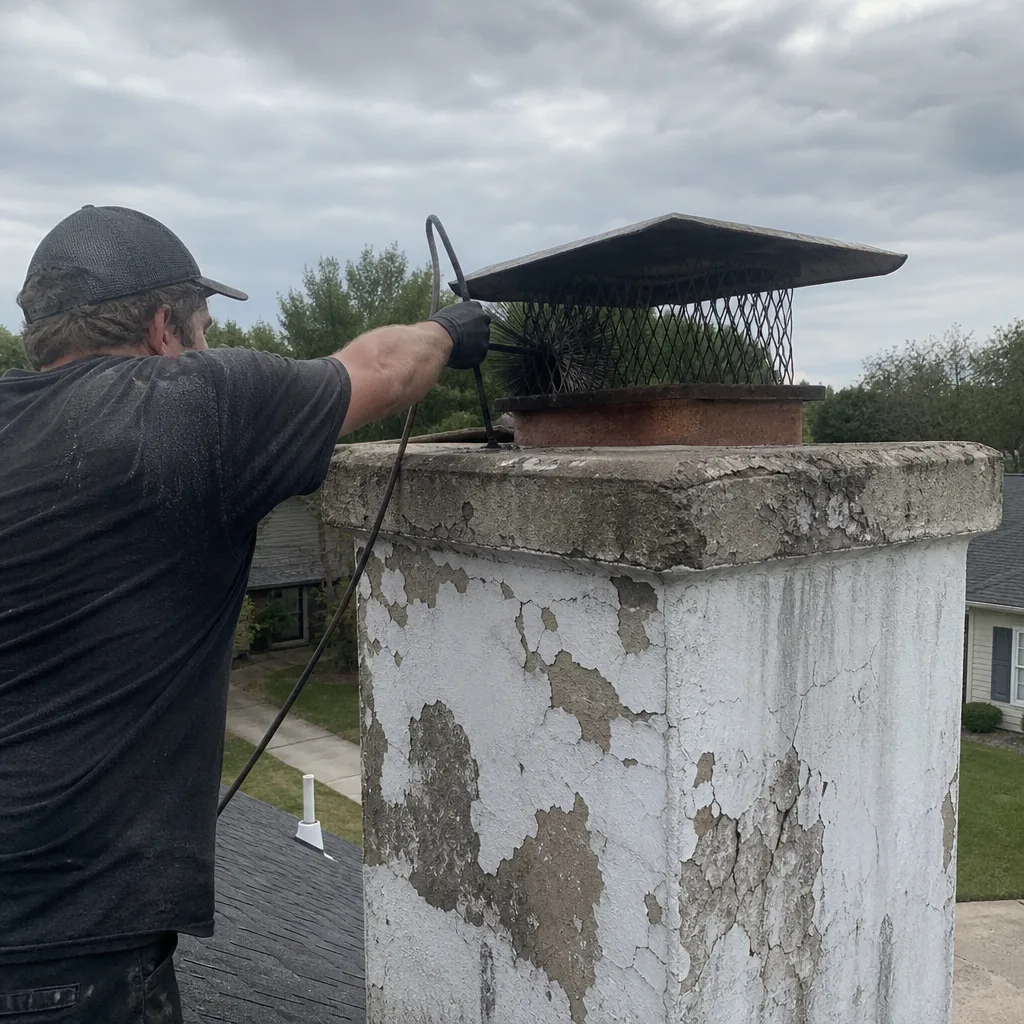 Before
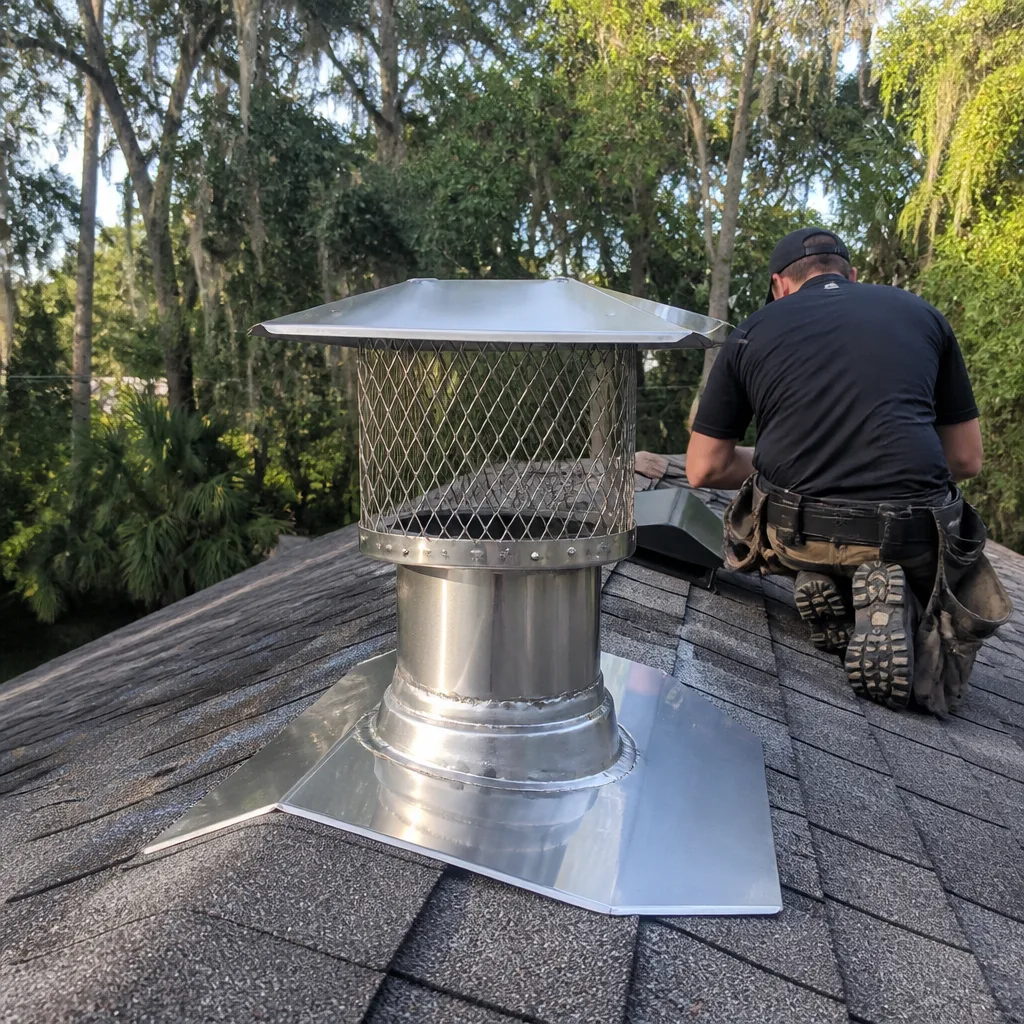 After
After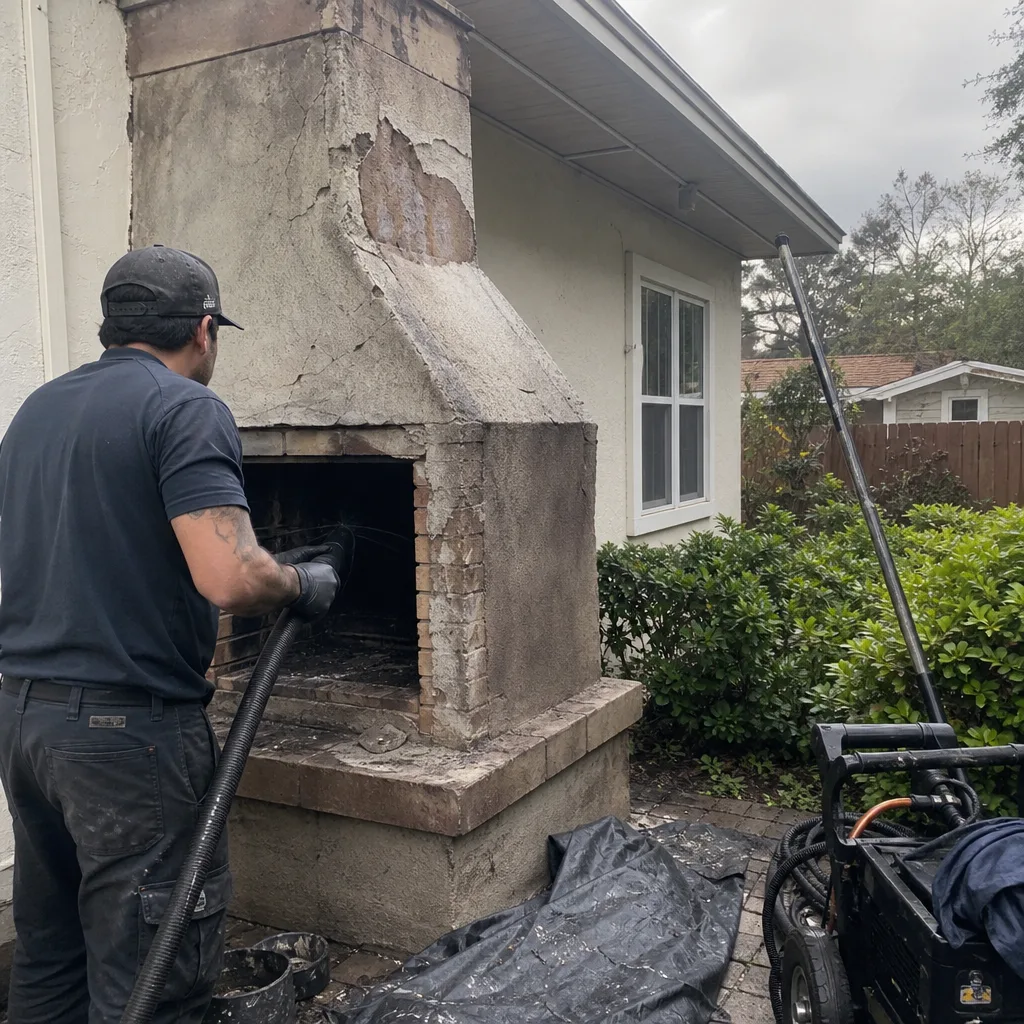 Before
 After
After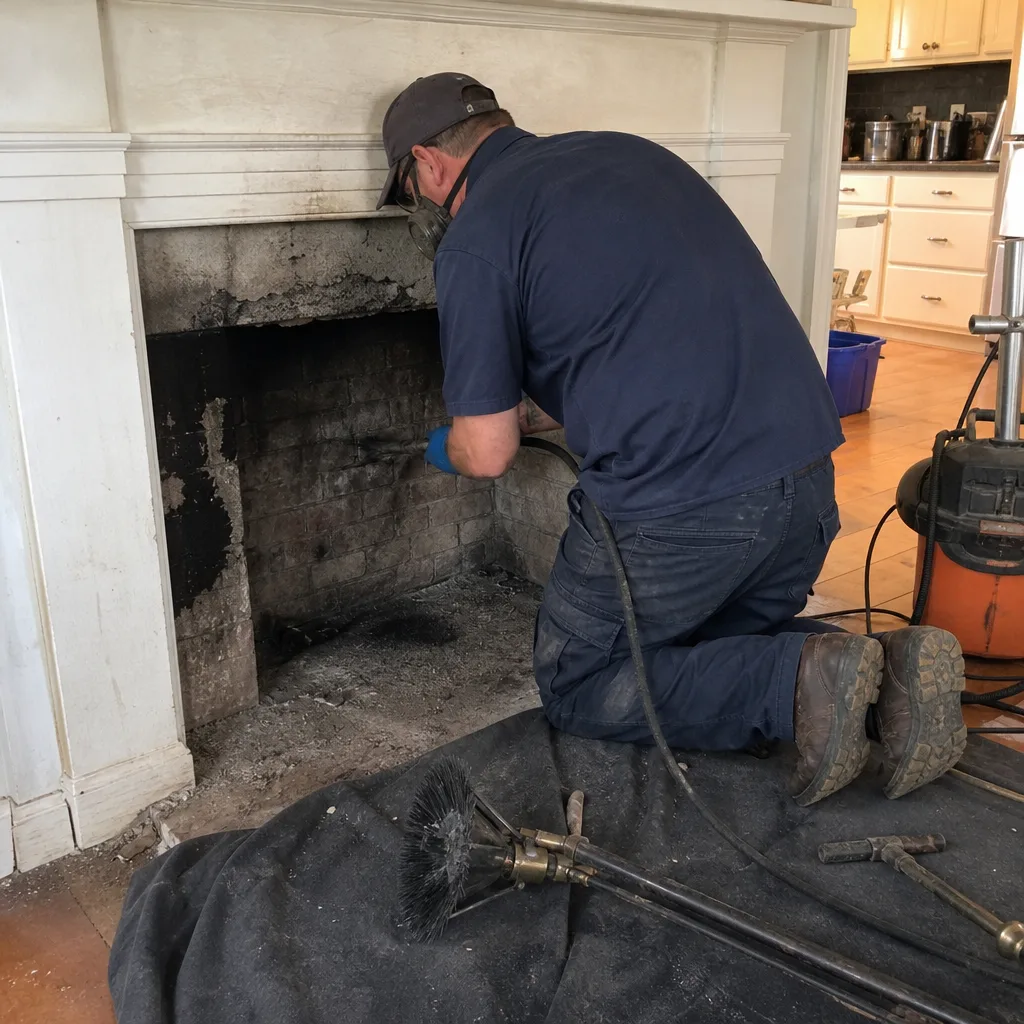 Before
 After
After