
Last updated October 15, 2026
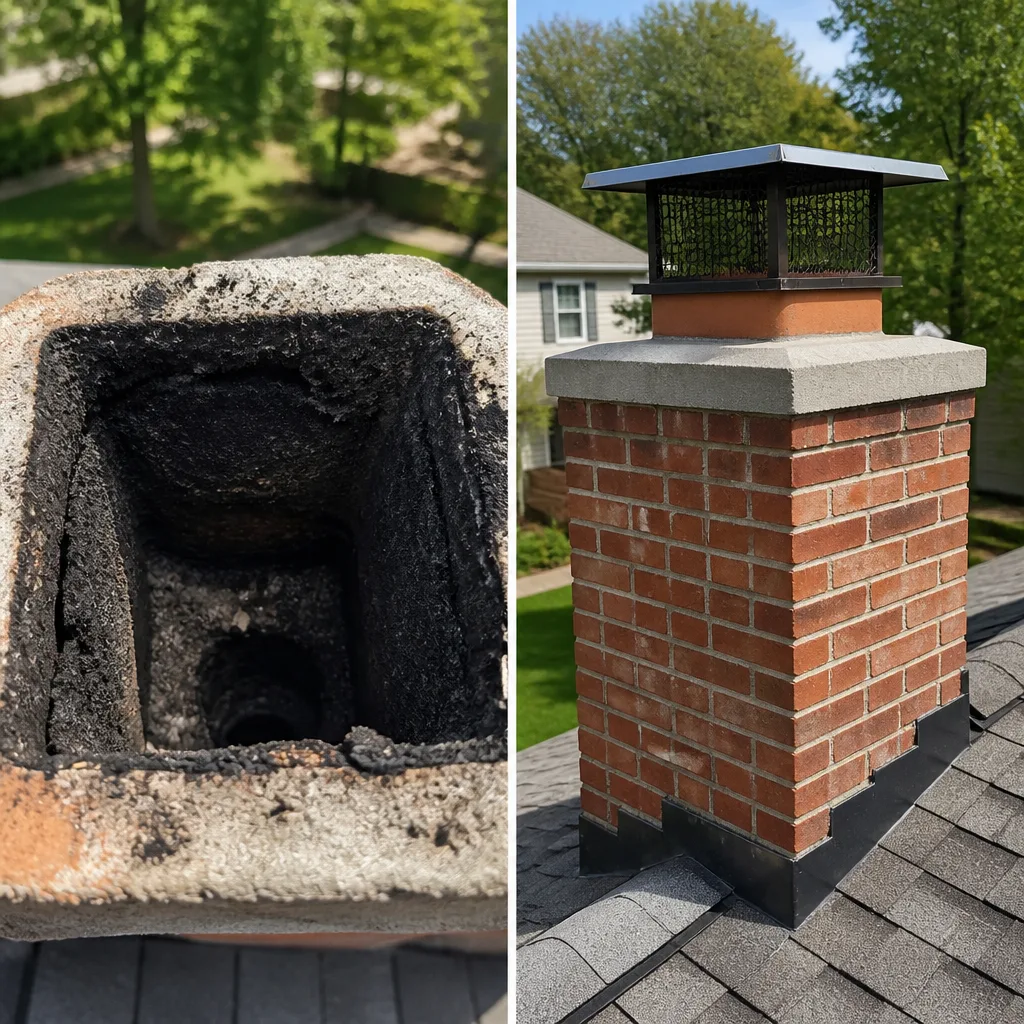 Sweep & inspection
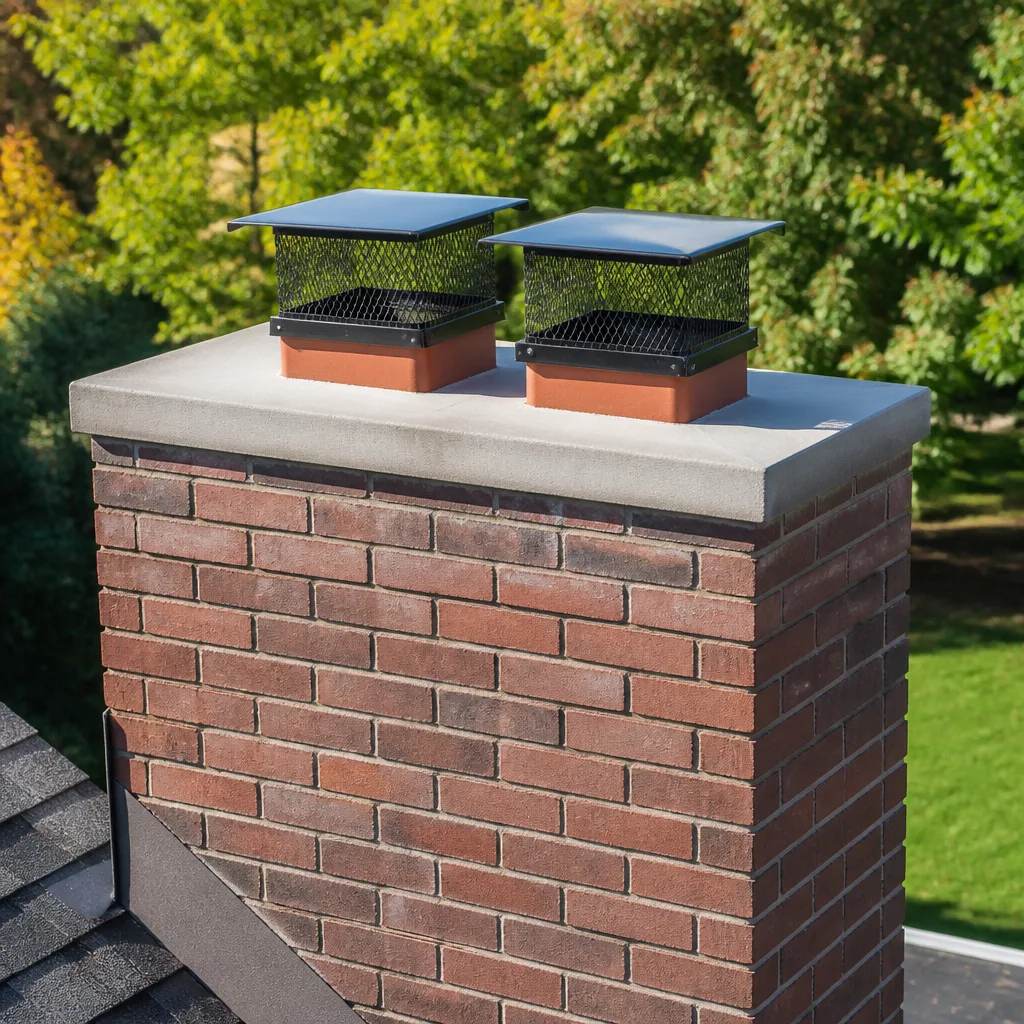 Caps & crowns
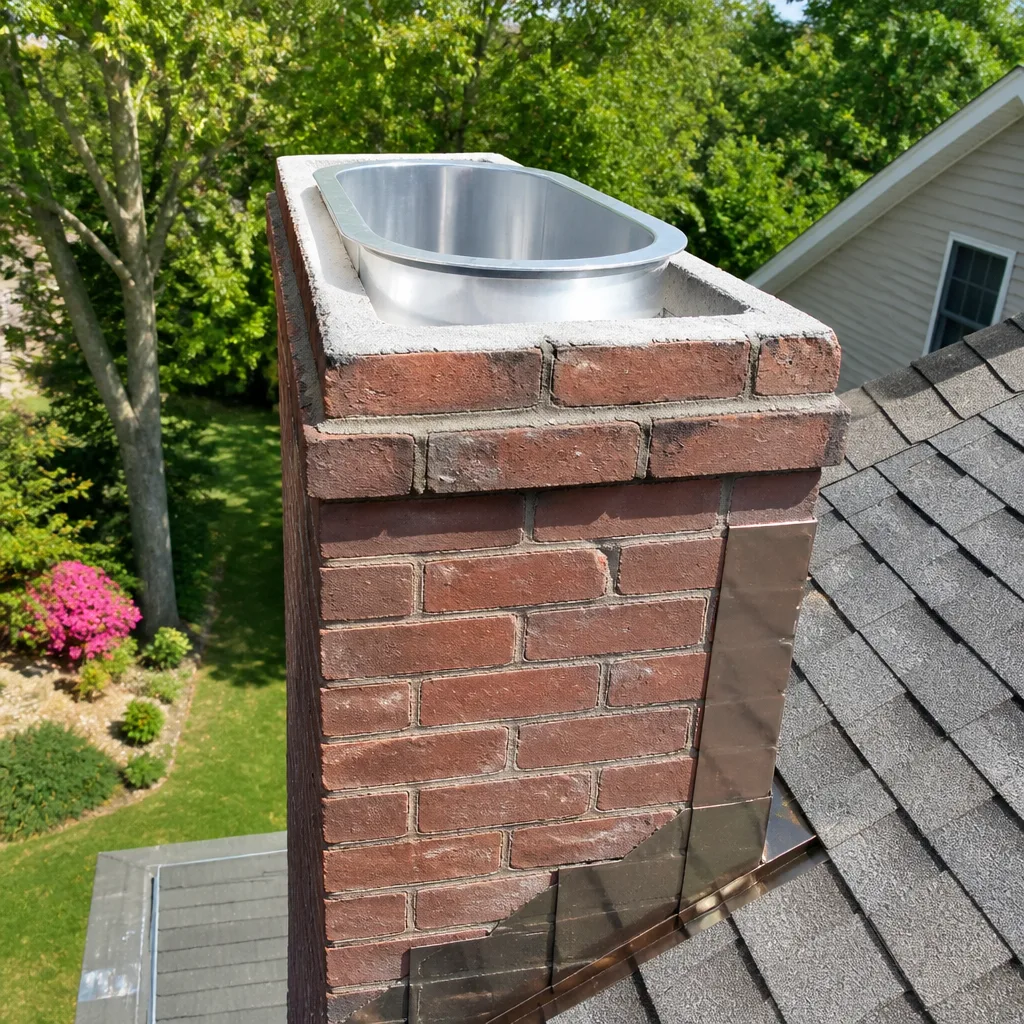 Flue relining
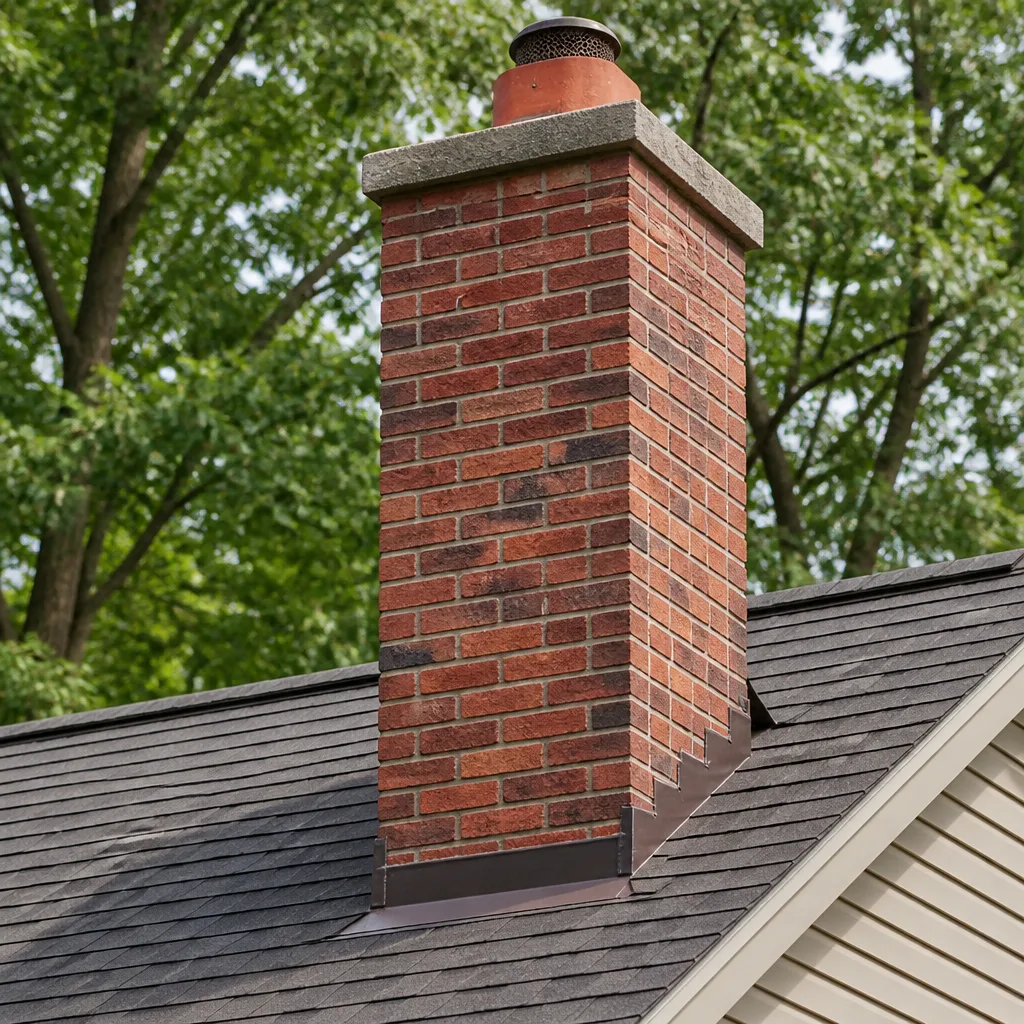 Masonry repair
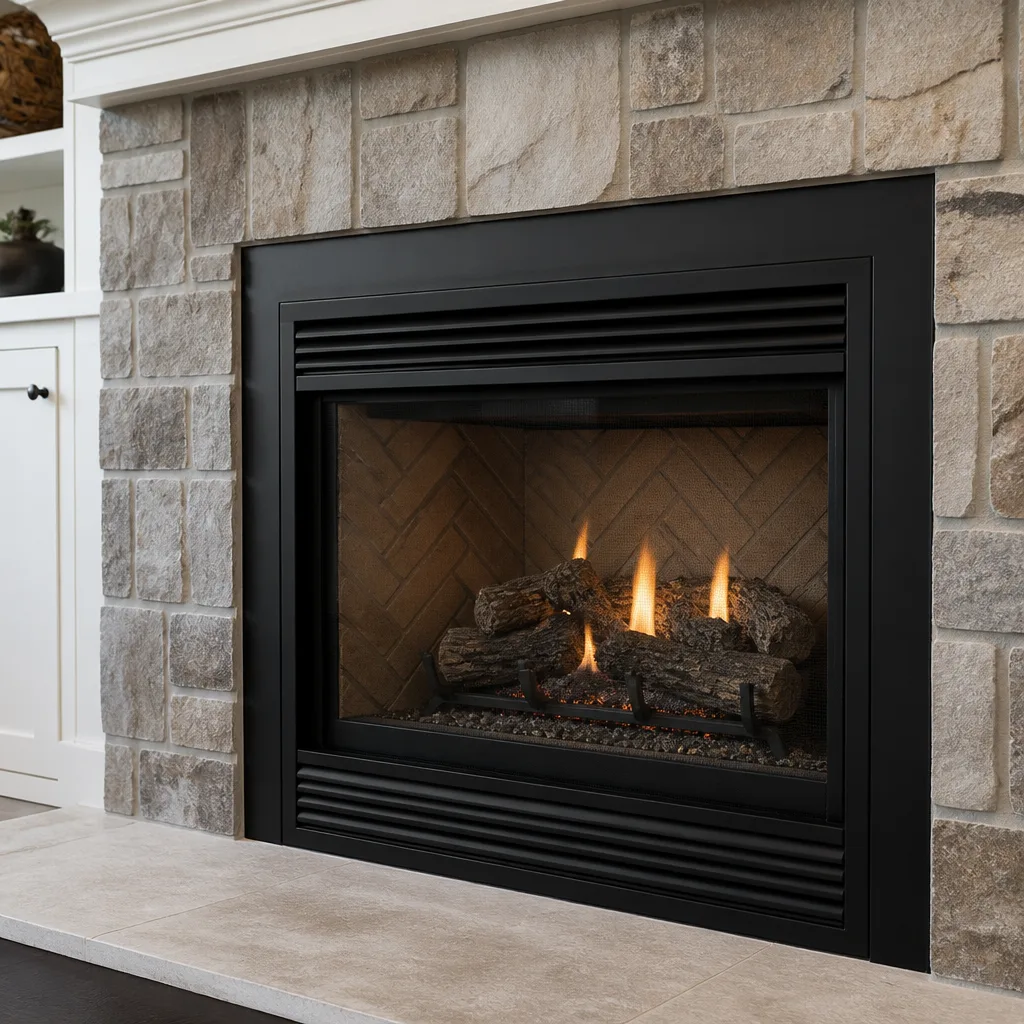 Gas fireplace service
Level 1 sweep and inspection to the NFPA 211 annual standard - flue, crown, cap, and flashing checked and photographed
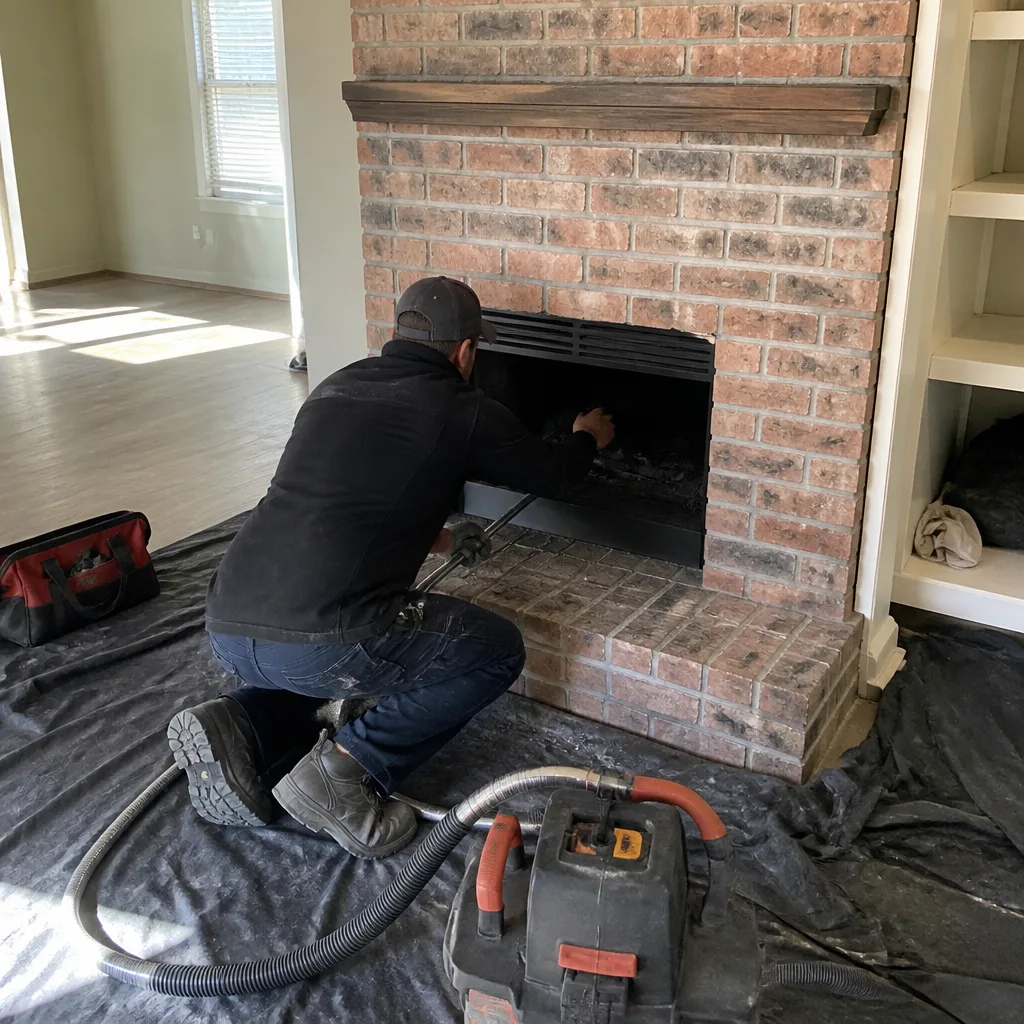
Chimney sweep logs do not sweep chimneys. They loosen some creosote - which then falls where a brush and vacuum still have to collect it.
Chimney Cleaning Warning Signs: A Jacksonville Homeowner’s Reference Guide
Jacksonville homeowners often miss early creosote buildup because their fireplaces run so infrequently that the smell is easy to attribute to “the house” rather than the chimney. We hear it all the time: someone lights the first fire of the season in mid-December, notices a faint barbecue-like odor, shrugs it off as dust burning off, and by the time the smell is unmistakable, the buildup has crossed from Stage 1 into Stage 2. That transition changes the cleaning method and the price significantly, which is why understanding the warning signs that are unique to Jacksonville matters. This guide covers the signals most generic checklists skip, plus the exact steps for figuring out what you’re dealing with before you call anyone.
Styles & brands we work with
Quick Answer
The chimney cleaning warning signs that matter most in Jacksonville are a musty or campfire-like odor from the fireplace in summer, white staining on the exterior brick, smoke that puffs back into the room on humid days, and visible dark crust inside the firebox. Any one of these signals means a professional chimney inspection in Jacksonville should happen before the next burn. Odor combined with visible dark buildup is the strongest indicator that creosote has progressed to a stage that changes both the cleaning cost and the level of urgency.
Table of Contents
- The Three Jacksonville Warning Signs Most Homeowners Miss
- How to Tell Stage 1, Stage 2, and Stage 3 Creosote Apart
- Animal Intrusion: What It Looks Like and Why Standard Sweeping Isn’t Enough
- Exterior Warning Signs Visible From the Ground
- The One Sign That Means Stop Using the Fireplace Immediately
- What Jacksonville Chimney Cleaning Actually Costs
- Common Mistakes to Avoid
- When to Call a Professional
- Frequently Asked Questions
- The Bottom Line
The Three Jacksonville Warning Signs Most Homeowners Miss
Generic chimney guides list the same symptoms every competitor covers: smoke backing up, visible soot, a strong smell while burning. Those matter, but they’re the late-stage signals. Here are the three signs we see Jacksonville homeowners consistently miss because the region’s climate and architecture mask them.
1. Musty Fireplace Odor in Summer
This is the one we hear about most often from homeowners who’ve lived in their house for years. In July or August, when the air conditioning is running and the fireplace hasn’t been used in months, a damp, musty, or stale-campfire smell drifts from the firebox. Most people attribute it to “the house” or humidity, and Jacksonville’s humidity gives that explanation a lot of runway. But in most cases, that odor is creosote absorbing moisture from the air. Creosote is hygroscopic, which means it pulls water vapor toward itself. When Jacksonville’s summer humidity sits at 80% or higher for weeks at a time, even a light Stage 1 creosote layer starts to off-gas a distinct smell. The same principle applies to soot left from previous seasons. If you notice the odor is strongest near the fireplace and lightens elsewhere in the room, that’s the tell. It’s not the house. It’s the flue.
2. White Staining on the Exterior Brick
Walk outside and look at the chimney from the ground, especially after a dry spell. White, chalky, or powdery staining on the brick face is not normal weathering. That’s efflorescence, which forms when water moves through masonry and deposits salt minerals on the surface as it evaporates. In Jacksonville, this water movement happens constantly: summer thunderstorms push rain against the chimney stack, and winter temperature swings between warm days and cold nights create a freeze-thaw stress cycle even though hard freezes are rare. Efflorescence itself isn’t a chimney cleaning issue, but it’s a signal that water is getting into the masonry system. Water plus creosote inside the flue creates an acidic environment that corrodes liners faster. If you see white staining on the outside, there’s a good chance moisture is also affecting the inside, and that inside moisture accelerates the very buildup a cleaning should remove.
3. Smoke That Puffs Back on Humid Days
Jacksonville’s humid days create a specific chimney symptom that doesn’t appear in drier climates. On high-humidity days, the air inside the flue is denser and heavier than it is on dry days. If there’s any restriction in the flue, whether it’s creosote buildup, a partial animal nest, or debris, a fire that burns fine on a dry January day can “puff” smoke back into the room on a humid one. A puff isn’t the same as a full smoke backup. It’s a small, intermittent release of smoke at the top of the firebox opening, often when the fire is first lit or when a log shifts. Homeowners in Jacksonville frequently ignore these puffs because they’re so minor, but they’re an early pressure signal. The flue is telling you it’s not drafting as freely as it should.
How to Tell Stage 1, Stage 2, and Stage 3 Creosote Apart
Creosote is the tar-like byproduct of burning wood. Every fire produces some, but the amount and form depend on burn temperature, wood moisture, and how often the chimney is used. Knowing which stage you’re looking at determines whether a standard sweep will handle it or whether you’re looking at a more involved process and a higher price.
Here’s a step-by-step way to assess what you’re seeing from inside the firebox, without doing anything dangerous:
- Shine a flashlight up from the firebox opening, angled toward the flue walls. You’re not climbing anything. You’re just looking up from where you’d normally place the logs.
- Check the appearance of the walls. Is the surface mostly gray-brown with a light, sooty, dusty texture? Or is it shiny and dark? Or crusty and uneven?
- Look for chunks or flakes. Do you see any material that looks like it could chip off if you tapped it? That’s a sign the creosote has hardened past Stage 1.
- Note any strong smell at room temperature. A strong odor without a fire burning usually means the creosote layer has absorbed moisture and is releasing volatile compounds.
Stage 1: Flaky Soot With Some Loose Creosote
Stage 1 creosote looks like a thin layer of dusty or flaky dark material. The flue walls may appear brownish-black with a texture similar to coarse sandpaper. The odor is usually faint, and you might only notice it on humid days. This is the easiest stage to remove. A standard chimney sweep in Jacksonville removes Stage 1 with rotary brushes and hand tools in a single visit, and the cost stays in the standard range. In our experience, most Jacksonville fireplaces that see a dozen or fewer burns per year develop Stage 1 creosote slowly, but even Stage 1 absorbs Jacksonville’s humidity and becomes a problem over time.
Stage 2: Crusty, Tar-Like Flakes
Stage 2 creosote is darker, shinier in places, and visibly crusty. It looks like dried tar that has started to flake in layers, similar to old paint peeling. The odor is stronger and more persistent. This is the stage where standard brushing becomes less effective, and the cleaning process shifts to what we call a mechanical sweep with more aggressive tools, sometimes including chain-driven rotary heads for stubborn deposits. Jacksonville’s short burn seasons actually work against homeowners here: because fires are infrequent, the flue never gets hot enough to burn off early creosote, so it compresses and hardens between seasons. That’s how a chimney used only a handful of times per winter still reaches Stage 2 after two or three years without cleaning.
Stage 3: Hardened, Glazed Creosote
Stage 3 is the one that changes both the urgency and the price. The creosote has baked into a hard, glossy, tar-like coating that can drip and run when heated. It is a fuel source. Stage 3 creosote burns at high temperatures and is the leading cause of chimney fires. At this stage, a standard sweep will not solve the problem. Removal may require chemical treatments combined with mechanical removal, and in some cases the affected liner section needs replacement. Glazed creosote is the one condition where we advise homeowners to stop using the fireplace until the problem is addressed. If you shine a flashlight up the flue and see shiny, wet-looking, black material that appears almost glassy, that’s not soot. That’s Stage 3.
Animal Intrusion: What It Looks Like and Why Standard Sweeping Isn’t Enough
Jacksonville’s chimney stacks are attractive shelter for several species, and the two we see most often are chimney swifts and squirrels. Both create hazards, and both require a specific response.
Chimney Swifts
Chimney swifts are small, dark birds protected by federal law. They roost and nest almost exclusively inside vertical structures like chimneys. What their presence looks like from inside the house is usually a high-pitched chirping or fluttering sound coming from the flue, especially in spring and early summer. What it looks like from outside is small birds entering and exiting the chimney top in looping flight patterns at dusk. Their nests are small, shallow cups built from twigs and saliva, glued to the flue wall. If you hear birds and you’re tempted to light a smoke fire to flush them out, don’t. That’s illegal under the Migratory Bird Treaty Act. The correct response is to schedule an inspection after nesting season ends. Once the birds are gone, the nest material must be removed completely before the next burn. This is not a standard sweep, because nest material is highly flammable and can ignite inside the flue.
Squirrels
Squirrels are more common in Jacksonville’s mature neighborhoods where large oak trees overhang rooflines. A squirrel in a chimney sounds different from birds. You’ll hear scratching, scrambling, or the sound of something heavy moving through the flue. Squirrels build nests out of leaves, twigs, and any insulation they can drag in, and these nests create a serious blockage. They also leave droppings, which introduce bacteria and odor, especially during humid months when the smell intensifies. If a squirrel has been in the flue, we recommend a full removal of the nest material, a thorough sweep, and an inspection of the chimney cap. A missing or damaged cap is the usual entry point.
A note on timing: if you have an active animal in the chimney, do not attempt to smoke it out or remove it yourself. Wildlife removal has legal restrictions and safety risks. The right move is to wait for the animal to leave on its own or contact a licensed wildlife professional, then have the chimney cleaned and capped. Alcott Chimney Jacksonville can inspect the flue and tell you what’s inside, but we don’t handle live animal removal. We do handle the mess and the cap replacement afterward.
Exterior Warning Signs Visible From the Ground
You don’t need a ladder to spot several of the most important chimney warning signs. Jacksonville’s high humidity and heavy summer rains expose masonry problems faster than most homeowners expect. Here’s what to look for from the ground, and what each sign means.
Spalling Brick
Spalling is what happens when moisture penetrates the brick face, and the outer layer begins to flake, crack, or fall away. From the ground, spalling looks like brick faces that are missing chunks, or a patch of brick near the top of the chimney that appears lighter and rougher than the surrounding brick. You might see thin brick shards or sandy debris at the base of the chimney. Spalling means water is getting in and freezing or expanding, and it never stops on its own. The bricks continue to lose their outer layer, and the structural integrity of the chimney top decreases. The connection to cleaning is direct: if water is entering the masonry system, it’s also interacting with creosote inside the flue, creating acidic conditions that accelerate liner corrosion.
Efflorescence (White Chalky Staining)
We mentioned efflorescence earlier, but it deserves its own callout because Jacksonville homeowners see it constantly and ignore it. The white powder is salt deposits left behind as water evaporates from the masonry surface. It wipes off easily when dry, but it returns after the next rain. Efflorescence tells you water is moving through the chimney structure. The source could be a cracked crown, a failed mortar joint, or missing flashing where the chimney meets the roofline. It is not a cosmetic issue. It is a moisture alarm.
Crown Cracking
The crown is the concrete slab that caps the top of the chimney stack and directs water away from the flue opening. You can see the crown from the ground in most Jacksonville homes, especially single-story ranch houses. Look for cracks running across the crown surface, chunks missing from the edges, or a crown that appears to be settling. A cracked crown lets water run directly down into the chimney structure every time it rains, which in Jacksonville is frequent. Hairline cracks widen quickly under the region’s summer heat and winter temperature cycles. The crown is one of the cheapest chimney components to repair and one of the most expensive to ignore.
The One Sign That Means Stop Using the Fireplace Immediately
Most chimney warning signs allow you to schedule a cleaning at your convenience, provided you stop burning in the meantime. One sign requires you to stop using the fireplace until a professional has inspected and cleared it: shiny, glazed, or wet-looking black material visible inside the flue or firebox.
Here’s the distinction clearly, because it matters for safety:
- Stop immediately: Any sign of Stage 3 glazed creosote, which appears shiny, tar-like, and dense. Also stop immediately if you see smoke entering the room during use, if you smell smoke strongly when no fire is lit, or if you hear a rumbling sound like a distant freight train from the fireplace. The rumbling sound indicates a chimney fire in progress; call 911 first, then deal with the cleanup afterward.
- Schedule soon, but safe to use carefully: Stage 1 or 2 creosote without glaze, a musty smell on humid days, external efflorescence, or a damaged cap. You can use the fireplace in the short term if it’s drafting properly, but every burn adds creosote to an already-lined flue. The sooner the cleaning happens, the less expensive the service.
- Do not use until further notice: Active animal nesting, heavy debris blockage, or any condition where the flue’s draft is compromised. If smoke doesn’t rise readily, that flue is telling you something is in the way.
When we’re asked whether a fireplace can wait until after the holidays, the answer depends entirely on what the flue looks like. Most of the time, the answer is yes. That’s why a chimney inspection in Jacksonville is valuable before the burn season starts, because it tells you exactly where you stand without guesswork.
What Jacksonville Chimney Cleaning Actually Costs
A standard chimney sweeping in Jacksonville typically runs $149 to $349 for a single flue with Stage 1 creosote, before any repairs. That range represents what we see across the Jacksonville market, including older homes in Avondale, San Marco, and Riverside, where flue access and chimney height can vary.
When creosote is past Stage 1, the price moves up because the service is no longer a standard sweep. Here’s a breakdown of what changes:
| Service | Typical Jacksonville Range | What It Includes |
|---|---|---|
| Standard sweep, Stage 1 | $149 – $249 | Rotary brush cleaning, firebox cleanout, visual inspection |
| Deep clean, Stage 2 | $249 – $449 | Aggressive mechanical removal, additional time and tooling |
| Glazed creosote removal, Stage 3 | $449 – $900+ | Chemical treatment and mechanical removal, may require liner evaluation |
| Animal nest removal (after animal exit) | $100 – $300 added to sweep | Nest material extraction, decontamination cleaning |
| Crown repair | $300 – $900 | Masonry patching or replacement based on extent of damage |
These are the ranges we’d give a Jacksonville homeowner over the phone, because our pricing philosophy is to put a written number in front of you before any work starts. No surprises at the end of the job. When you call Alcott Chimney Jacksonville, you get a live person and a straight answer about what a sweep costs in your neighborhood.
For a deeper look at exactly what’s included at each tier, see our guide to chimney sweep services in Jacksonville.
Common Mistakes to Avoid
- Assuming one or two fires per year means the chimney stays clean. Jacksonville’s short burn seasons actually promote creosote hardening. A chimney used four times per winter still builds residue, and that residue compresses and hardens in the 10 months between seasons rather than burning off.
- Attributing the summer fireplace smell to “the house.” That musty odor is the single most reliable early warning sign in Jacksonville, and it’s almost always creosote absorbing humidity. Ignoring it until the smell is constant usually means the creosote has advanced a full stage.
- Using a grocery-store creosote sweeping log instead of a real cleaning. Those logs can loosen some Stage 1 deposits, but they do not remove the buildup, and they give a false sense that the flue is clean. A chimney sweep removes the material; a log just rearranges it.
- Skipping the inspection after a hurricane or major storm. Jacksonville storms drive debris into unprotected flues and damage crowns. Many homeowners check their roof but never look at the chimney. A post-storm check catches issues before the first burn of the season.
- Burning unseasoned or wet wood from local trees. Jacksonville’s oak and pine need at least 6 to 12 months of seasoning to burn cleanly. Wet wood produces more smoke, more creosote, and faster buildup. If you smell a sweet, heavy smoke during a burn, the wood is likely too wet.
- Assuming a damaged chimney cap is cosmetic. The cap keeps rain, animals, and debris out. A missing cap in Jacksonville’s summer rains means water is running directly down the flue onto whatever creosote is already there, which compounds the problem.
When to Call a Professional
Call a professional when you notice any of the signs in this guide: summer odor, white exterior staining, smoke puffing on humid days, visible crust inside the firebox, any indication of animals, or exterior masonry damage. You should also call if you’ve lived in the home for more than a year and have never had the chimney inspected. Jacksonville’s specific combination of humidity, short burn seasons, and heavy rain makes annual inspection more valuable here than in drier climates.
Alcott Chimney Jacksonville offers free estimates in Jacksonville. Call (904) 453-7823 and a live person answers, even at 11 p.m. when something smells like smoke. You’ll get a written price before any work begins, a written guarantee on every repair, and the name and photo of your technician before they arrive. That’s how we’ve operated since 2002, and it’s the standard we hold for every job, including gas fireplace repair in Jacksonville and full chimney sweeping.
Frequently Asked Questions
Your chimney needs cleaning if you see dark crusty deposits inside the firebox, smell a musty or campfire-like odor when the fireplace isn’t in use, see smoke puffs on humid days, or notice white staining on the exterior brick. In Jacksonville, most fireplaces should be swept every 1 to 3 years depending on how frequently they’re used. Call (904) 453-7823 for a free estimate on a sweep or inspection.
Creosote smells like stale campfire, barbecue, or asphalt, and in humid weather it takes on a musty, damp character. In Jacksonville, the smell is often strongest in summer when humidity is high and the fireplace hasn’t been used. If you can smell creosote from the firebox when no fire is lit, that’s a sign the buildup has absorbed enough moisture to off-gas, which usually means a cleaning is overdue.
White staining, or efflorescence, does not by itself make the fireplace dangerous to use, but it signals water intrusion that accelerates internal damage and creosote deterioration. The safe move is to have the exterior inspected and the flue swept to see what condition it’s in. The staining is a moisture alarm, and addressing it early prevents more expensive masonry repairs later.
A chimney should be swept after every 30 to 50 fires, or every 1 to 3 years, whichever comes first. In Jacksonville, where most homeowners burn far fewer than 30 fires per season, the timing depends on creosote concentration rather than fire count. Annual inspection with a sweep as needed is the pattern we recommend for Jacksonville homeowners.
Skipping cleaning allows creosote to build and harden through stages, which increases the cost of removal and raises the risk of a chimney fire. In Jacksonville’s humid climate, the creosote absorbs moisture between seasons, which accelerates hardening and begins to corrode the flue liner. The longer a chimney goes without cleaning, the more likely a minor Stage 1 sweep becomes a Stage 3 removal or liner replacement.
Yes. Chimney fires start when creosote inside the flue reaches its ignition temperature, and that temperature depends on concentration, not how often you burn. A flue with years of accumulated Stage 2 or Stage 3 creosote can ignite on the first fire of the season. This is why the National Fire Protection Association recommends annual inspection regardless of how frequently the fireplace is used. Call (904) 453-7823 if you’re unsure when your chimney was last checked.
The Bottom Line
Jacksonville homeowners miss early chimney warning signs because the region’s climate masks them. The summer musty smell, the white exterior staining, and the humid-day smoke puffs are all signals that most people attribute to other causes. But each one points to a chimney that needs attention. Catching creosote at Stage 1 instead of Stage 3 saves hundreds of dollars and eliminates a fire risk. The most practical step is to look up the flue with a flashlight, walk outside and check the brick and crown, and schedule a cleaning if anything looks or smells off. Around here, that’s the difference between a $200 sweep in November and a $900 removal in February. And when you’re ready to call, we’re the ones who answer the phone.
Alcott Chimney Jacksonville home is your reference for chimney sweeping, inspection, and gas fireplace repair across the Jacksonville area.
Written by Ruben Castellano, Owner at Alcott Chimney Jacksonville, serving Jacksonville since 2002.
See the difference
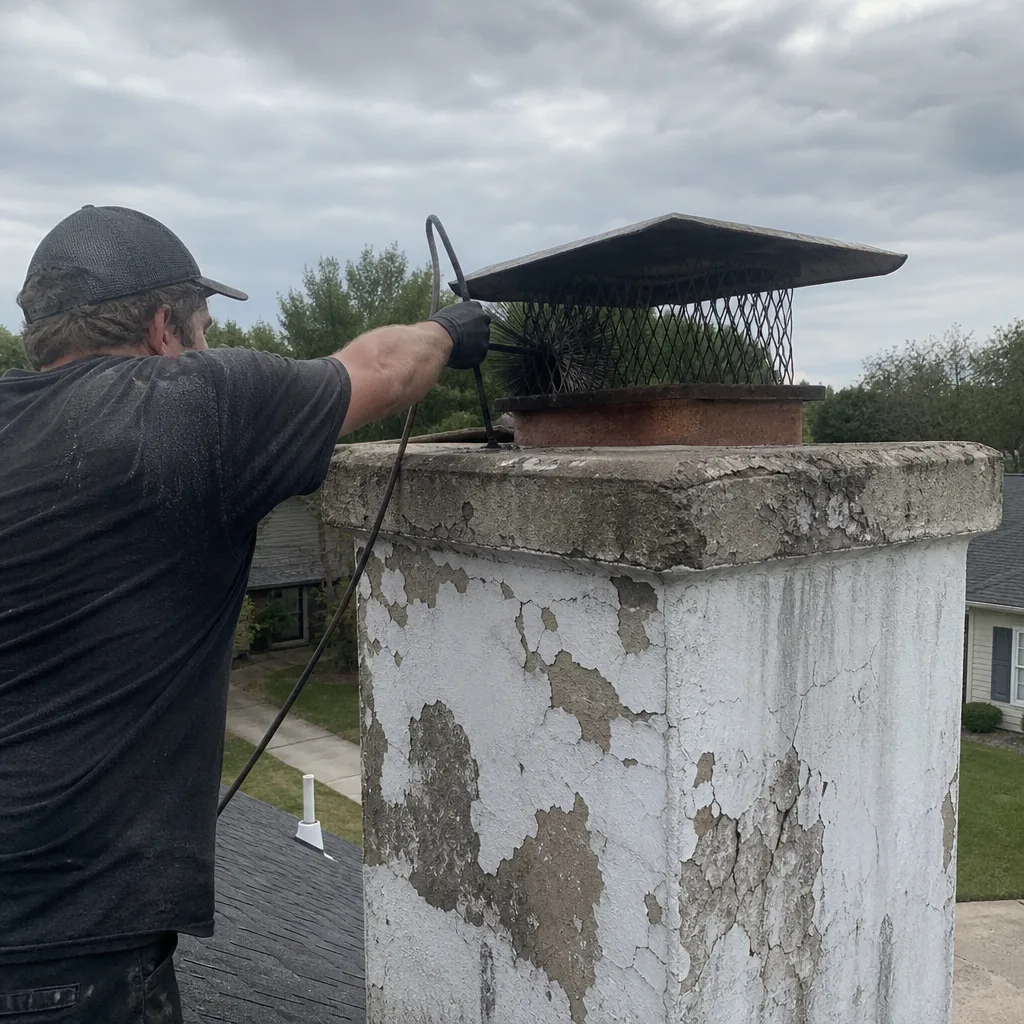 Before
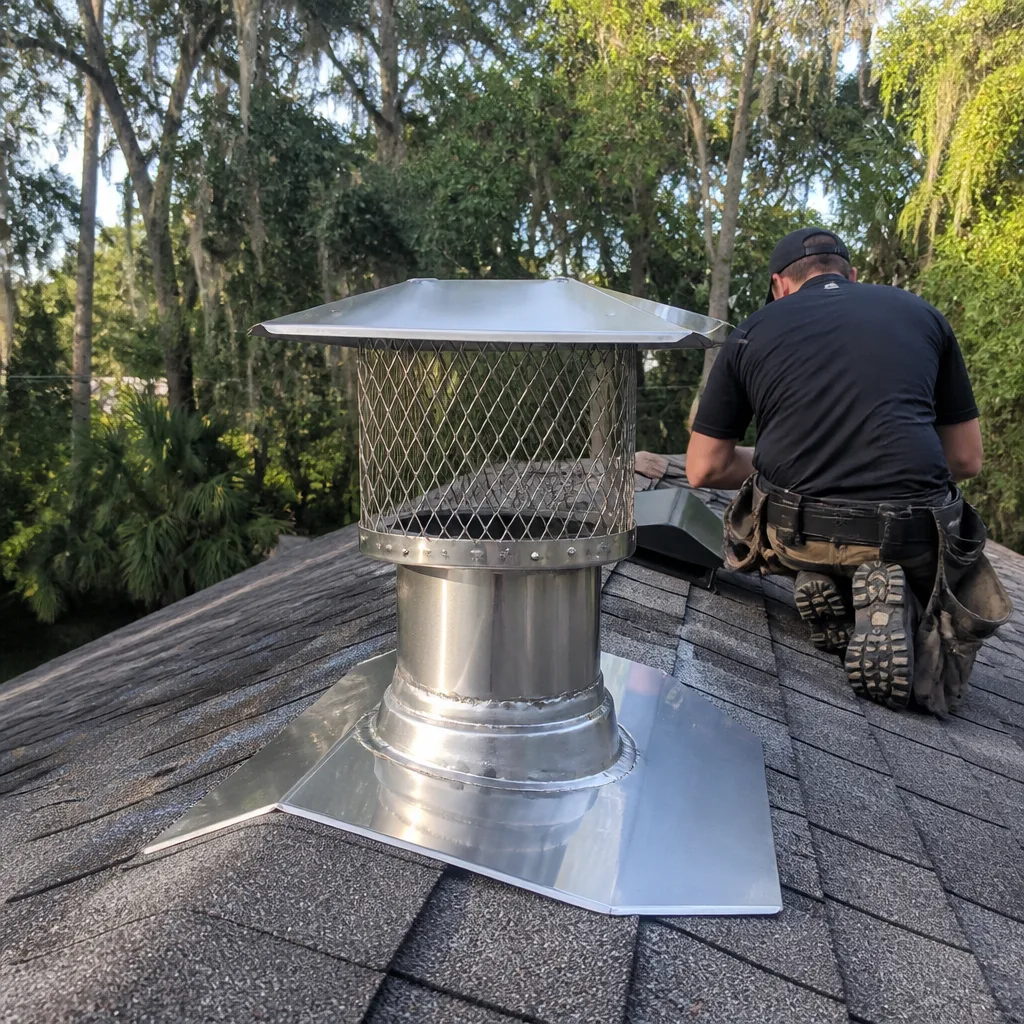 After
After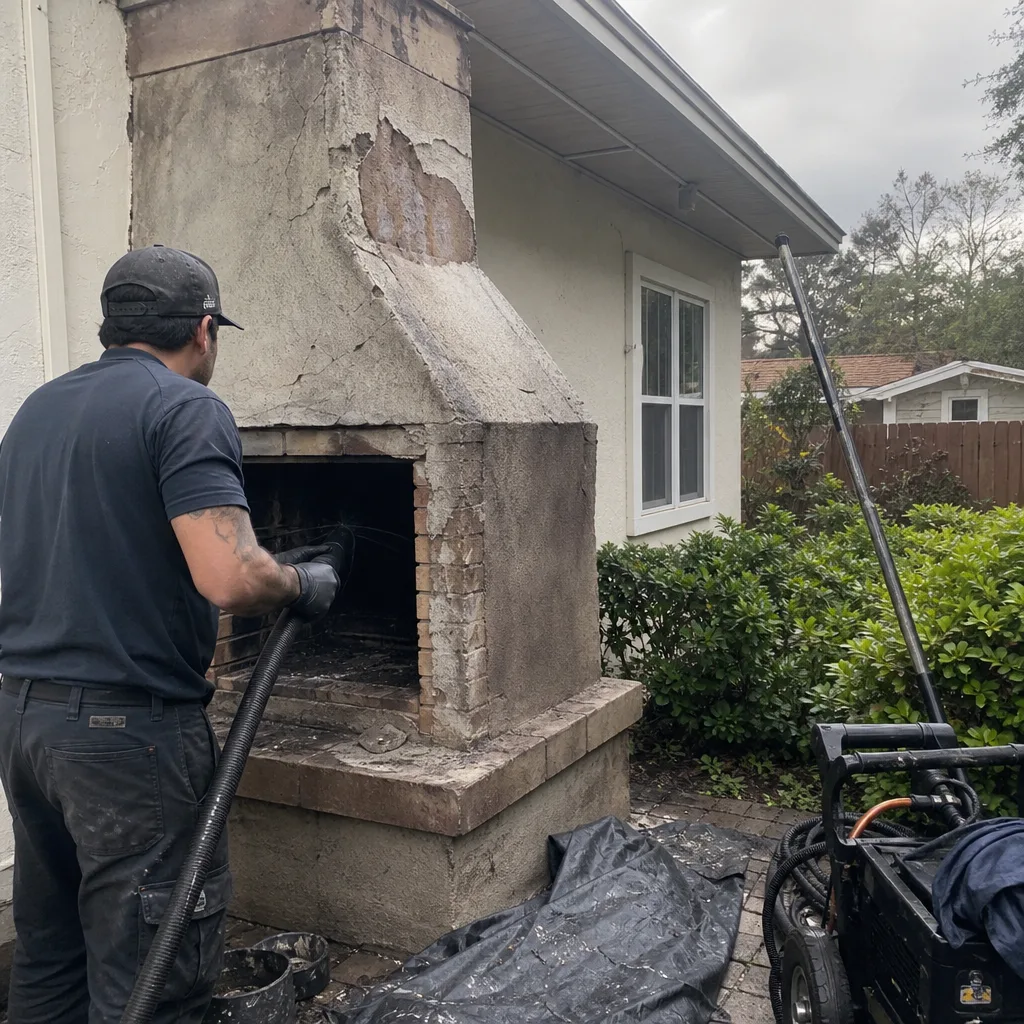 Before
 After
After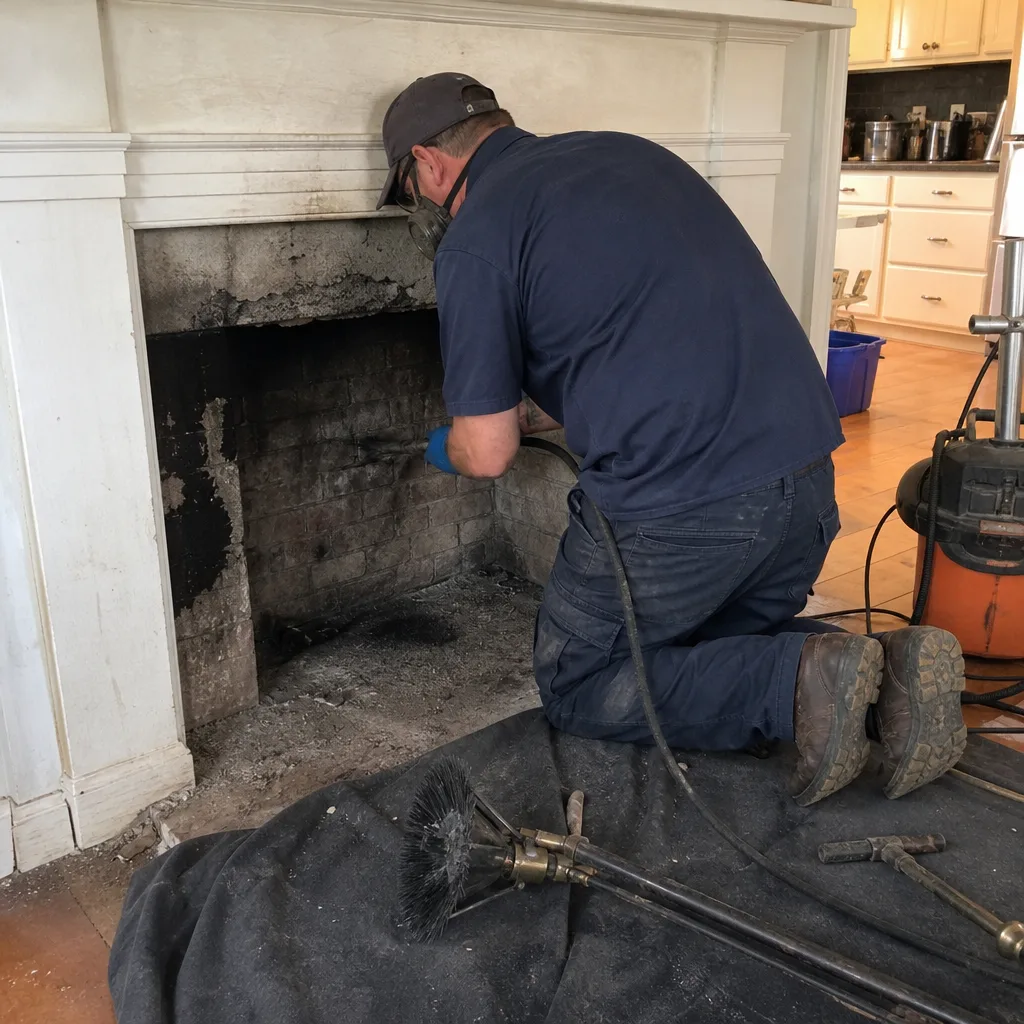 Before
 After
After