
Last updated October 15, 2026
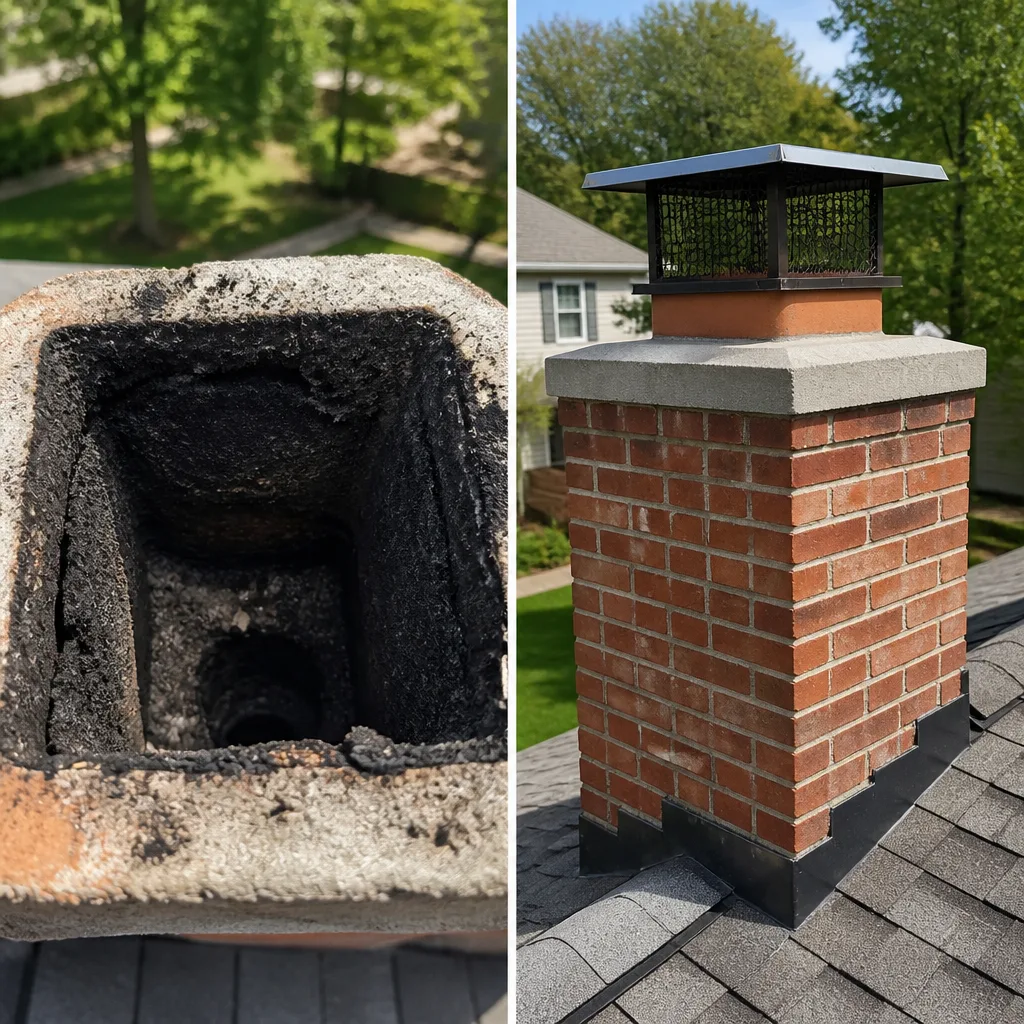 Sweep & inspection
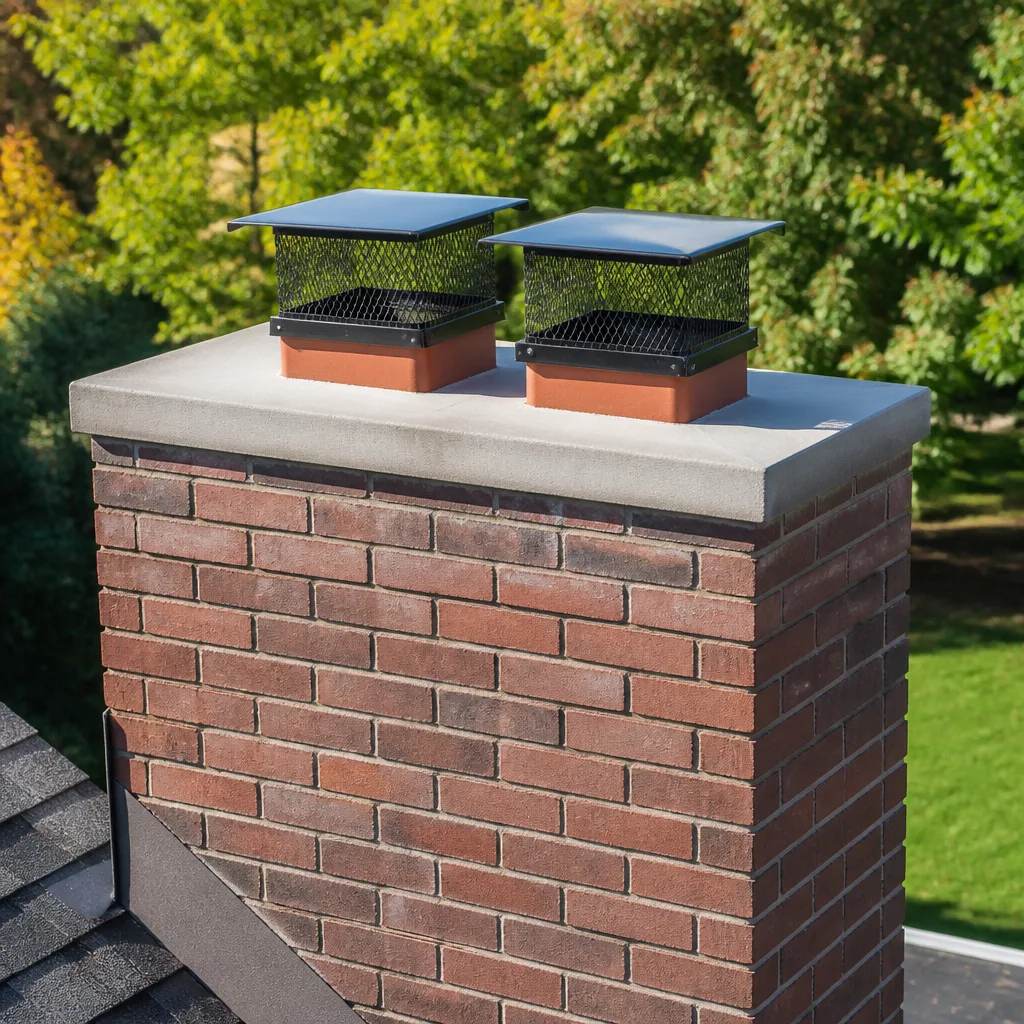 Caps & crowns
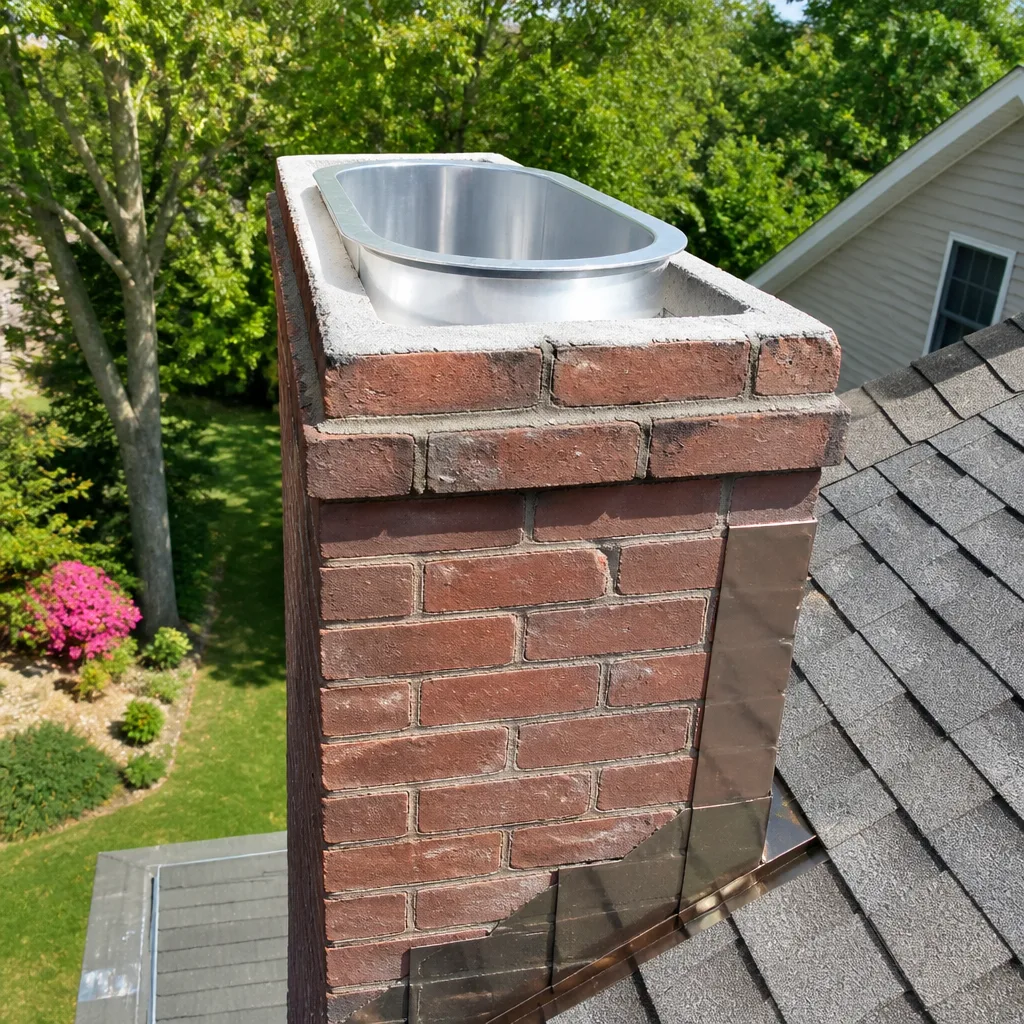 Flue relining
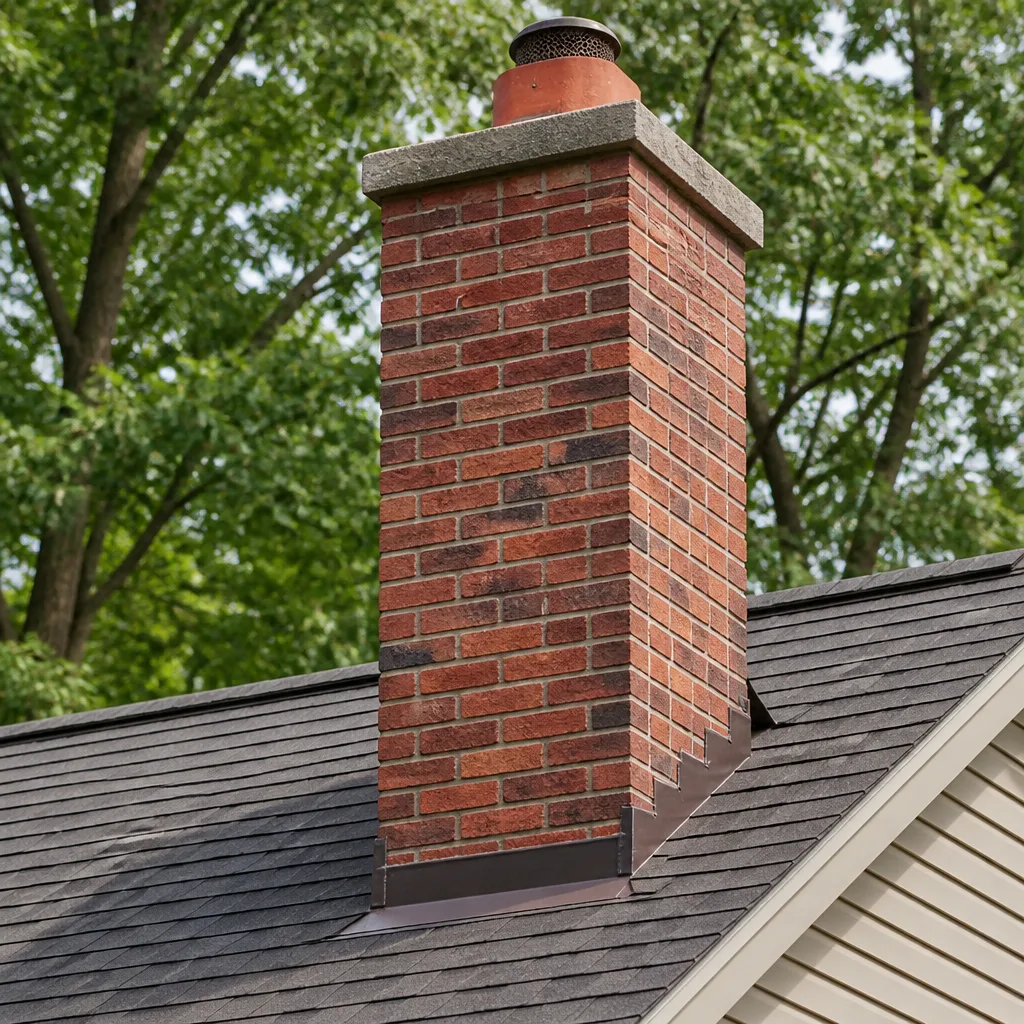 Masonry repair
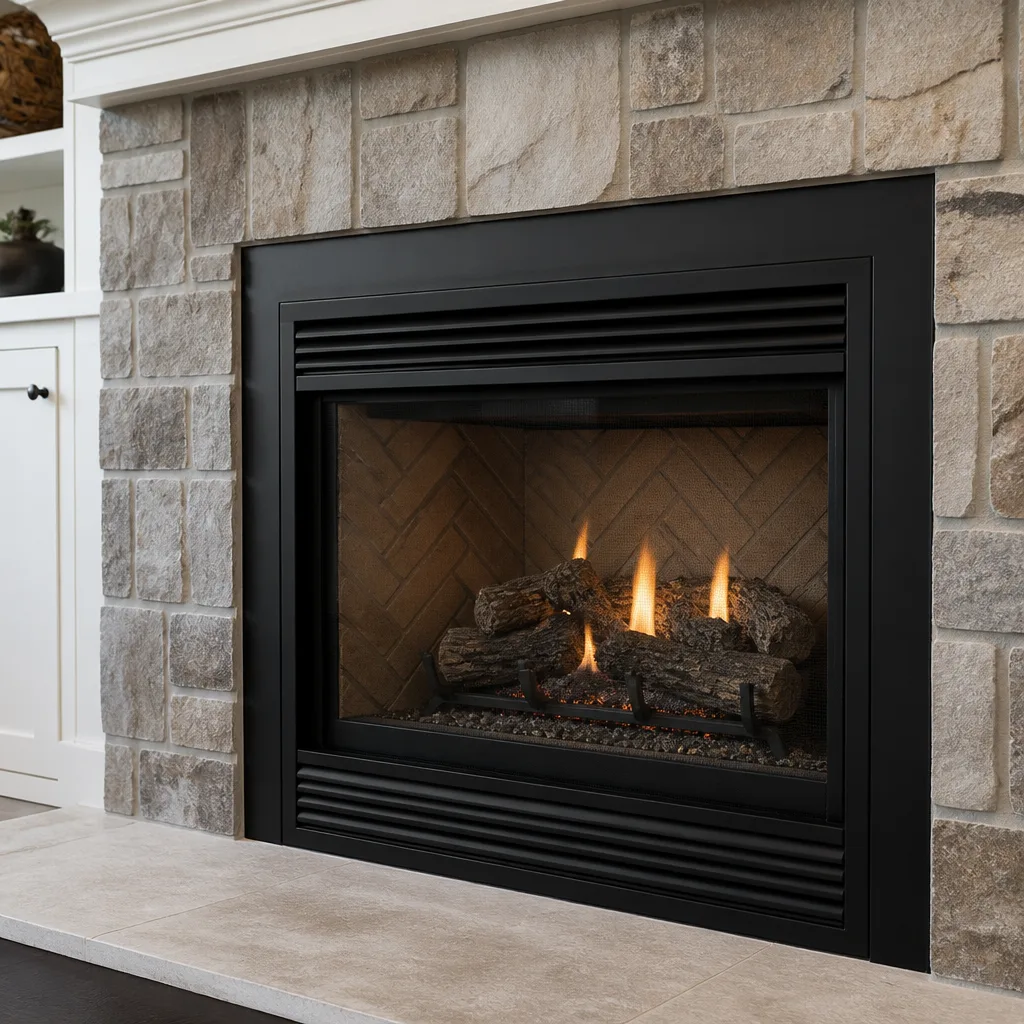 Gas fireplace service
Level 1 sweep and inspection to the NFPA 211 annual standard - flue, crown, cap, and flashing checked and photographed
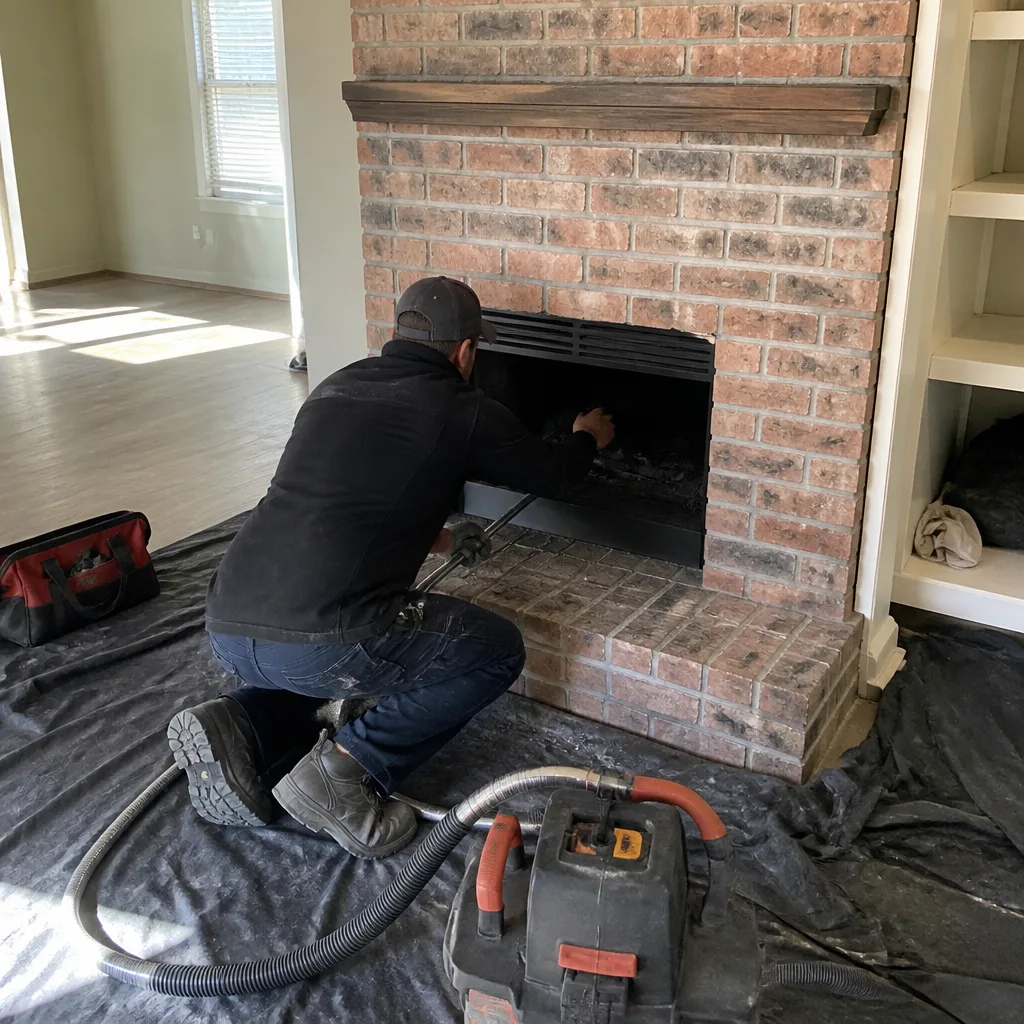
Chimney sweep logs do not sweep chimneys. They loosen some creosote - which then falls where a brush and vacuum still have to collect it.
Chimney Cleaning Permits, Codes & Inspections in FL: What You Need to Know
In 2021, a Jacksonville homeowner paid a contractor to replace a deteriorating chimney liner. The job was done in a day, looked fine from the outside, and cost $3,400. Two years later, the house went under contract. During the title search, the unpermitted liner replacement surfaced as an open code item. The sale stalled for three weeks. The seller paid $1,900 for a retroactive inspection, a code compliance review, and a sign-off from Duval County. The original contractor had saved roughly $150 in permit fees. This guide explains exactly where the permit line sits in Florida, what Duval County actually requires, and how to check whether work on your Jacksonville home was done legally before it becomes your problem at the closing table. For more guides & resources, visit our blog.
Styles & brands we work with
Quick Answer
Chimney cleaning itself does not require a permit anywhere in Florida, including Jacksonville. Neither does a visual or camera inspection, or minor cap repair. But the repairs and modifications that often follow an inspection, like liner replacement, firebox rebuilds, or new damper installation, do require a Duval County building permit. If you skip the permit on that work, you are creating an undisclosed defect that will likely surface during a future home sale.
Table of Contents
- The Florida Permit Rule for Chimney Work, Explained
- What Chimney Work Needs a Permit in Jacksonville
- What Chimney Work Does Not Need a Permit
- NFPA 211 vs. the Florida Building Code: Which One Governs
- How to Pull a Duval County Building Permit for Chimney Work
- How to Check Whether a Previous Owner’s Chimney Work Was Permitted
- What a Jacksonville Chimney Inspection Actually Covers
- Common Mistakes to Avoid
- When to Call a Professional
- Frequently Asked Questions
- The Bottom Line
The Florida Permit Rule for Chimney Work, Explained
Florida regulates chimney and fireplace work through the Florida Building Code, specifically Chapter 10, which covers chimneys and fireplaces. Section 1004 of the code sets the requirements for chimney construction, repair, and alteration. The code does not require a permit for routine maintenance like sweeping or inspection. What it does require is a permit for any work that alters the structure, function, or safety characteristics of the chimney system.
Here is the core distinction most Jacksonville homeowners miss: a chimney sweep is a maintenance task. A liner replacement is a structural repair. A firebox rebuild is an alteration. The code treats these differently, and so does Duval County’s building department. The county enforces the Florida Building Code through its Building Inspection Division, and any work that falls under the permit requirement must be inspected by a county inspector after completion.
In Duval County, chimney work that requires a permit falls under the general building permit category. The permit application asks for a description of the work, the contractor’s information if a licensed contractor is doing the job, and a declared value for the work. The permit fee is based on that value. For a typical liner replacement in Jacksonville, the permit fee runs between $120 and $250 depending on the declared project cost. It is not a large expense. It becomes a large expense when it is skipped and discovered later.
The reason this matters in Jacksonville specifically is the local real estate market. Home sales in Duval County routinely involve title searches and municipal lien searches. Unpermitted work shows up on those searches when a permit was pulled for other work on the property but the chimney work was not included, or when a previous owner’s contractor filed a permit for a different scope than what was actually done. The risk is not theoretical. We have seen Jacksonville sellers lose weeks and thousands of dollars resolving exactly this situation.
What Chimney Work Needs a Permit in Jacksonville
If you are trying to determine whether a planned repair needs a permit, start with this rule: if the work changes the physical structure of the chimney, the flue, the firebox, or the damper assembly, it needs a permit. If the work returns something to its original condition without altering structure, it probably does not.
Here is the specific list of chimney and fireplace work that requires a Duval County building permit:
- Chimney liner replacement or installation. This is the one that catches most Jacksonville homeowners. A stainless steel liner from a brand like DuraFlex or a poured-in-place system like HeatShield resurfacing both count as alterations to the flue system. The permit triggers a post-installation inspection to verify the liner is properly connected and sized.
- Firebox rebuild or extensive firebox repair. If the masonry firebox is cracked, spalled, or deteriorated to the point that bricks need to be removed and replaced, the work changes the firebox’s structural integrity. Refractory panel replacement in a factory-built fireplace may or may not trigger a permit depending on whether the firebox itself is altered. When in doubt, ask the county.
- New damper installation or damper replacement. Replacing a throat damper or installing a top-sealing damper changes how the chimney vents and drafts. Duval County treats this as an alteration, and it requires a permit.
- Chimney masonry rebuild, including crown reconstruction. Rebuilding a chimney crown or repairing significant masonry spalling involves structural work. Chimney crown repair that replaces more than a minor crack falls under the permit requirement.
- Chase cover replacement that involves structural modification. For factory-built fireplaces in Jacksonville’s newer neighborhoods like Bartram Park or Nocatee-adjacent developments, a chase cover replacement is typically a straightforward maintenance item. But if the chase structure itself is altered or the flue termination is changed, a permit applies.
- Complete fireplace installation or removal. This one is obvious but worth stating: installing a new fireplace or chimney, or removing one entirely, always requires a permit in Duval County.
The common thread is that these projects involve either combustion safety or structural integrity. The permit process is not arbitrary. It exists so that a Duval County inspector verifies the work meets Florida Building Code Section 1004 requirements before the fireplace is used again.
What Chimney Work Does Not Need a Permit
Most of what a homeowner does with a chimney on a regular basis requires no permit at all. This is where a lot of confusion starts, because a homeowner receives a recommendation for a liner replacement, assumes the chimney company handles the permit, and learns later that either the company did not pull one or the permit was never required for the smaller job they actually had done. For a deeper look at what to watch for, see our Chimney Cleaning Warning Signs: A Jacksonville Homeowner’s Reference Guide.
Here is what does not require a Duval County permit:
- Chimney sweeping and creosote removal. This is routine maintenance, not an alteration. No permit needed.
- Chimney inspection, including video camera inspection. An inspection is observational. It changes nothing. No permit needed.
- Minor chimney cap repair or replacement. Replacing a damaged cap with a same-style cap is a maintenance item. What matters is whether the cap replacement involves modifying the flue termination. A standard replacement does not.
- Minor crown crack sealing. Small cracks in a chimney crown can be sealed with a flexible crown sealant. That is a maintenance repair, not a rebuild. If the crown is being entirely reconstructed, that crosses into permit territory.
- Fireplace glass or gasket replacement in a factory-built fireplace. These are wear items. No permit needed.
- Gas log set installation within an existing, code-compliant fireplace. When the gas line and firebox are already in place and the log set drops in, no building permit is required. Note that gas line work is a separate issue and may require a plumbing or gas permit depending on whether the gas connection is altered.
The practical takeaway for Jacksonville homeowners is this: the safest way to know whether your specific project needs a permit is to ask the contractor to confirm in writing before work begins. A qualified chimney professional working in Duval County should be able to tell you, clearly, whether the work triggers a permit and whether they or the homeowner will be pulling it. If the answer is vague, treat that as a signal to get a second opinion.
NFPA 211 vs. the Florida Building Code: Which One Governs
Jacksonville homeowners often encounter two sets of standards when their chimney is inspected: NFPA 211 and the Florida Building Code. They are different things, and understanding that difference matters when a dispute arises.
NFPA 211 is the National Fire Protection Association’s standard for chimneys, fireplaces, vents, and solid fuel burning appliances. It is a consensus standard written by fire safety engineers, chimney professionals, and code officials. NFPA 211 is the operational standard. It tells you how often a chimney should be swept, what constitutes an unsafe level of creosote, and when a chimney is safe to operate. Most professional chimney inspections in Jacksonville are performed to NFPA 211 standards.
The Florida Building Code is state law. It is the legal standard. It governs construction, alteration, and repair. When a Duval County inspector reviews chimney work, they review it against the Florida Building Code, not NFPA 211 directly. However, the Florida Building Code references NFPA standards in several places, which creates overlap.
Here is how that plays out in the real world: a chimney inspection may find that the chimney fails NFPA 211 clearance-to-combustibles requirements because the original installation was done incorrectly. The Florida Building Code may have been in a different edition at the time of construction, or the installation may predate current code. This does not mean the chimney is legal. It means the current owner is now responsible for bringing the system up to code if they alter it. In a dispute between a buyer and seller over chimney condition, the question usually comes down to whether the work violated the building code at the time it was performed and whether a permit was required.
For a homeowner evaluating a chimney repair recommendation in Jacksonville, the practical rule is this: compliance with NFPA 211 is what keeps your house safe. Compliance with the Florida Building Code is what keeps your house legal. You generally need both, and they are not the same document.
How to Pull a Duval County Building Permit for Chimney Work
If you have a liner replacement, firebox rebuild, or another permitted chimney project coming up in Jacksonville, here is the process step by step:
- Determine who pulls the permit. In most cases, the licensed contractor performing the work pulls the permit. If you are doing the work yourself under the state’s homeowner permit exemption, you pull the permit as the owner-builder. Be aware that the owner-builder route in Florida carries specific restrictions, including a prohibition on selling or renting the property within a year of completing the work.
- Gather the project details. You will need a description of the work, the contractor’s license number if applicable, the estimated project cost, and the property address. For liner replacements, the type and material of the liner are part of the description.
- File the application through the Duval County Building Inspection Division. Jacksonville homeowners can apply online through the county’s permit portal or in person at the Building Inspection Division office on North Julia Street. Online filing is faster and allows you to track the permit status.
- Pay the permit fee. For typical chimney work in Jacksonville, the fee is based on the declared project value. Most liner replacements and firebox repairs fall in the $120 to $250 permit fee range. It is not a meaningful expense relative to the project cost.
- Schedule the inspection after the work is complete. A Duval County inspector will need to see the completed work before the fireplace is used. For a liner replacement, the inspector verifies the liner connection, the termination, and the clearance to combustibles. For a firebox rebuild, the inspector checks the firebox dimensions and the refractory material.
- Keep the final inspection record. The signed-off permit is your proof that the work was done legally. Store it with your home documents. It will matter if you sell the house.
One note for Jacksonville homeowners using a chimney company: make it clear before signing a contract who is responsible for pulling the permit. Most reputable contractors include permit costs in their estimate. If a contractor tells you a liner replacement does not need a permit in Duval County, get that statement in writing and verify it with the county. It is your house that carries the liability if the contractor is wrong.
How to Check Whether a Previous Owner’s Chimney Work Was Permitted
If you bought a home in Jacksonville and want to know whether the chimney work a previous owner had done was permitted, you have a straightforward path. Duval County maintains a public permit portal that allows anyone to search permit history by address.
Here is the process:
- Go to the Duval County Building Inspection Division permit portal. The county’s online system lets you search by property address or parcel number. You do not need to create an account to search.
- Enter your address. Pull up the full permit history for your property. Look specifically for any building, mechanical, or gas permits that reference chimney, fireplace, flue, or liner work.
- Check the scope description. If a permit was pulled, the description will tell you what the work covered. If you see a permit for a water heater but none for the chimney liner that was clearly replaced, that liner replacement may have been unpermitted.
- Look for final inspection records. A permit that was pulled but never received a final inspection is an open permit. Open permits are a common closing issue in Duval County real estate transactions. If you see an open permit on your property, contact the county to resolve it before it becomes a title issue.
- If a search shows nothing, that does not prove unpermitted work happened. It just means there is no record of a permit. Some older work predates digital records. But for work performed in the last 10 to 15 years, the county’s digital system is reliable.
This is the exact process that surfaced the unpermitted liner replacement in the Jacksonville example at the top of this guide. The seller did not know the work was unpermitted until the title search flagged it. The buyer did not discover it until their inspector looked at the permit history. Both parties could have avoided the delay if the permit had been pulled in the first place.
What a Jacksonville Chimney Inspection Actually Covers
Before any permit question arises, most Jacksonville homeowners start with an inspection. Whether you are buying a home, preparing for winter, or responding to a concern, a chimney inspection is the diagnostic step that tells you where you stand. Our Chimney Sweep Maintenance Checklist for Jacksonville Homeowners covers what to expect.
A professional chimney inspection in Jacksonville follows the three levels defined by NFPA 211:
- Level 1 inspection. This is the standard inspection performed during a routine chimney sweep. It covers the accessible portions of the chimney interior and exterior: the firebox, the damper, the flue from the top and bottom, the chimney cap, and the visible masonry. No special tools required beyond a flashlight and a mirror or a basic scope.
- Level 2 inspection. This is required when the home is being sold, when the fuel type changes, or after an event like a chimney fire or a lightning strike. A Level 2 inspection includes everything in Level 1, plus a video camera scan of the entire flue interior, an inspection of accessible attic and crawlspace areas around the chimney, and an assessment of clearance to combustibles. This is the inspection level most relevant to Jacksonville real estate transactions.
- Level 3 inspection. This is the invasive inspection required when a Level 2 inspection suggests a hidden hazard that cannot be confirmed without opening a wall or removing part of the chimney. Level 3 inspections are rare. They typically involve suspected hidden fire damage or concealed installation defects.
Our own Chimney Inspection in Jacksonville service follows this same three-level framework. One thing we always walk through with homeowners is what happens after the inspection. If the camera scan shows a cracked clay tile liner in a Riverside or San Marco home built in the 1950s, that finding leads to a repair recommendation, which leads to the permit question this guide addresses. The inspection itself never requires a permit. The fix that follows it often does.
Jacksonville’s climate is relevant here. Humidity and salt air accelerate masonry deterioration on chimneys closer to the St. Johns River and the Intracoastal. Homes in waterfront neighborhoods like Ortega, San Jose, and Mandarin tend to show crown cracking and spalling brick earlier than inland homes. Regular inspection catches those issues before they become structural, which means smaller repairs, which sometimes means staying on the no-permit side of the line.
Common Mistakes to Avoid
- Assuming the chimney company pulled the permit. Many Jacksonville homeowners discover after the fact that the permit was never pulled, or that the contract said the homeowner was responsible. Confirm who pulls the permit in writing before work starts.
- Treating a liner replacement as a maintenance item. A liner replacement is the single most common unpermitted chimney project we hear about in Duval County. It changes the flue system and triggers the Florida Building Code permit requirement.
- Waiting until the home sale to check permit history. The time to check whether previous chimney work was permitted is before you list the house, not after a title search flags it. A proactive permit check costs nothing and takes fifteen minutes on the Duval County portal.
- Confusing NFPA 211 compliance with code compliance. A chimney can be safe by NFPA standards and still have unpermitted work that creates a legal issue at closing. Both standards matter, but only the building code creates a permit requirement.
- Letting a contractor talk you out of a permit to save money. The permit fee on a typical chimney repair in Jacksonville is a small fraction of the project cost. Whatever the contractor saves by skipping it becomes your liability when the house is sold.
- Doing permitted work under the owner-builder exemption without understanding the resale restriction. Florida limits your ability to sell or rent a property after owner-builder work. If you plan to sell soon, this matters.
- Leaving a pulled permit open without a final inspection. An open permit on your property is a closing delay waiting to happen. If work was done on your home and the permit was never finaled, contact Duval County and schedule the inspection now.
When to Call a Professional
There are situations where the right move is to stop researching and make a phone call. If you are buying or selling a home in Jacksonville and the chimney condition is an open question, a Level 2 inspection will tell you what you are dealing with before it becomes a contract issue. If a previous owner had chimney work done and you cannot find a permit record, a professional can assess the current condition and help you determine the path to compliance. If you smell something like smoke or fire outside of normal fireplace use, that is a call to make immediately, not a research project. Alcott Chimney Jacksonville offers free estimates in Jacksonville, and every inspection includes a written report that tells you exactly what the chimney needs, what it does not need, and where the work falls on the permit line. Call (904) 453-7823.
Frequently Asked Questions
No. Chimney cleaning, sweeping, and creosote removal are maintenance tasks and do not require a permit anywhere in Florida, including Jacksonville. The permit requirement starts when the work changes the structure or function of the chimney, such as liner replacement or firebox rebuild. If your sweep recommends repairs after cleaning, ask whether those specific repairs trigger a permit in Duval County. For full details, see The Complete Guide to Chimney Cleaning in Jacksonville. Call (904) 453-7823 for a free estimate that includes a clear answer on permit status.
Yes. A chimney liner replacement is an alteration to the flue system and requires a Duval County building permit under Florida Building Code Section 1004. The permit fee typically runs $120 to $250 depending on the declared project cost. The permit also triggers a post-installation inspection by a county inspector before the fireplace is used again. If a contractor tells you the liner work does not need a permit, verify with the county before proceeding.
A standard chimney sweep in Jacksonville typically runs $180 to $350 depending on the chimney type, the level of creosote buildup, and whether access requires special equipment. Masonry chimneys with heavy glaze buildup cost more because the work takes longer. A sweep combined with a Level 2 inspection ranges from $350 to $600. These are real Jacksonville market ranges from a company that has served homeowners here since 2002. Call (904) 453-7823 for an exact quote, written before any work begins.
Search the Duval County Building Inspection Division permit portal by property address or parcel number. Look for any building, mechanical, or gas permits that reference chimney, fireplace, flue, or liner work. That search takes about fifteen minutes and shows whether permits were pulled and whether they received final inspections. If you find an open permit or no record for work you know was done, resolve it before listing your home.
The National Fire Protection Association recommends a sweep whenever creosote buildup reaches 1/8 inch, which for most Jacksonville homes that use the fireplace regularly means once a year. Homes that burn unseasoned wood or use the fireplace heavily through the winter may need sweeping twice a season. Even if you rarely use the fireplace, an annual inspection catches moisture damage, animal nesting, and masonry deterioration that Jacksonville humidity accelerates. Our Chimney Sweep in Jacksonville service includes a Level 1 inspection with every sweep.
The unpermitted work will likely surface during the buyer’s title search or municipal lien search, and it will delay or derail the sale. The seller typically pays for a retroactive inspection, any needed corrections, and the permit fees before the county signs off. The Jacksonville example at the top of this guide cost the seller $1,900 and three extra weeks. The cheaper path is confirming permits before work is done. For current condition, a camera inspection tells you exactly what the chimney needs. Call (904) 453-7823.
Most gas fireplace repairs that replace wear items like thermocouples, pilot assemblies, or glass gaskets do not require a building permit. Work that alters a gas line or changes the venting configuration may require a separate gas or plumbing permit in Duval County. The important point is that gas fireplace work and chimney work follow different permit paths, so confirm both before scheduling. For reliable Gas Fireplace Repair in Jacksonville, we can walk you through what applies to your specific system.
The Bottom Line
Chimney cleaning in Florida and Jacksonville never requires a permit. The work that follows a cleaning sometimes does. Liner replacements, firebox rebuilds, new damper installations, and significant masonry reconstruction all require a Duval County building permit, and skipping that step creates a defect that will surface at resale. The Florida Building Code is the legal standard. NFPA 211 is the safety standard. Both matter, and a professional inspection is the first step toward understanding where your chimney stands on both. If you need work done in Jacksonville, get the permit answer in writing before work begins. If you are not sure what your chimney needs, start with an inspection. The Alcott Chimney Jacksonville home page has details on our full service range, and a live person answers our phone around the clock at (904) 453-7823.
Written by Ruben Castellano, Owner at Alcott Chimney Jacksonville, serving Jacksonville since 2002.
See the difference
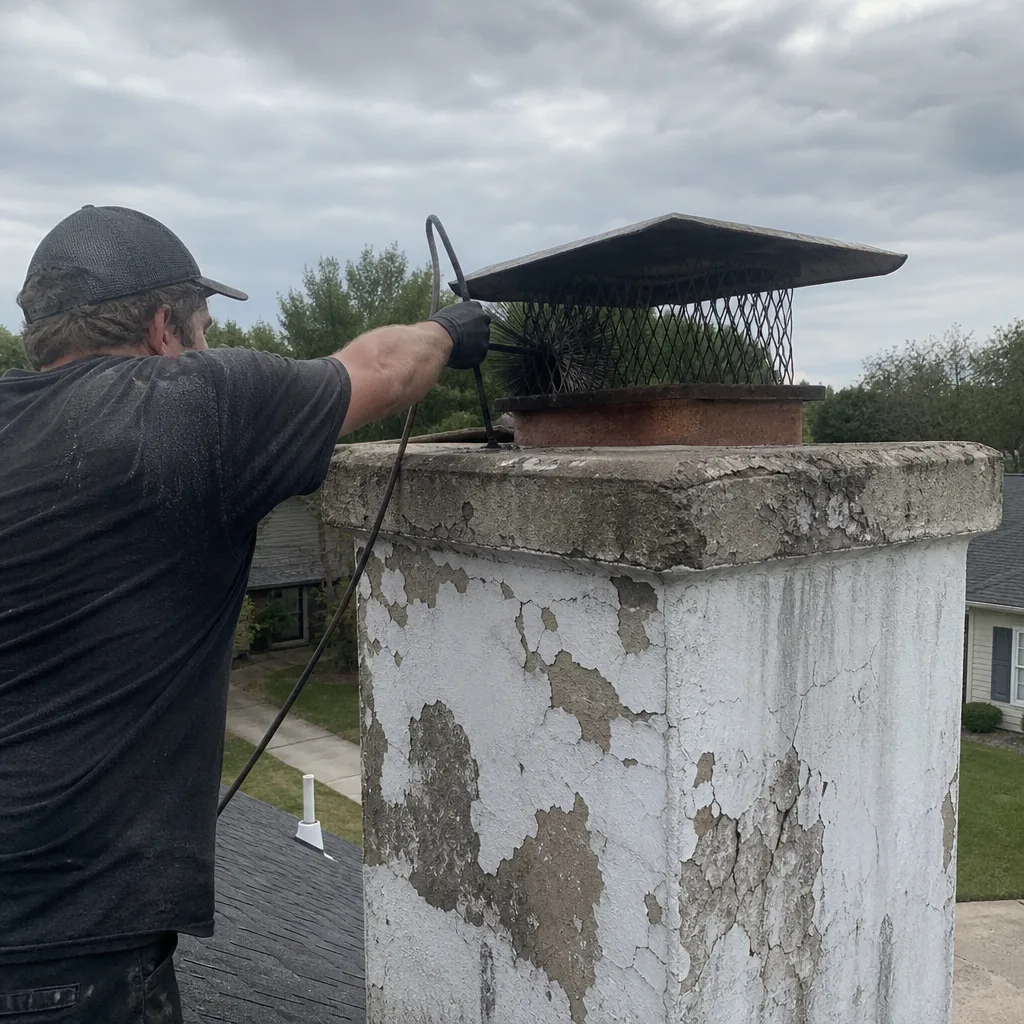 Before
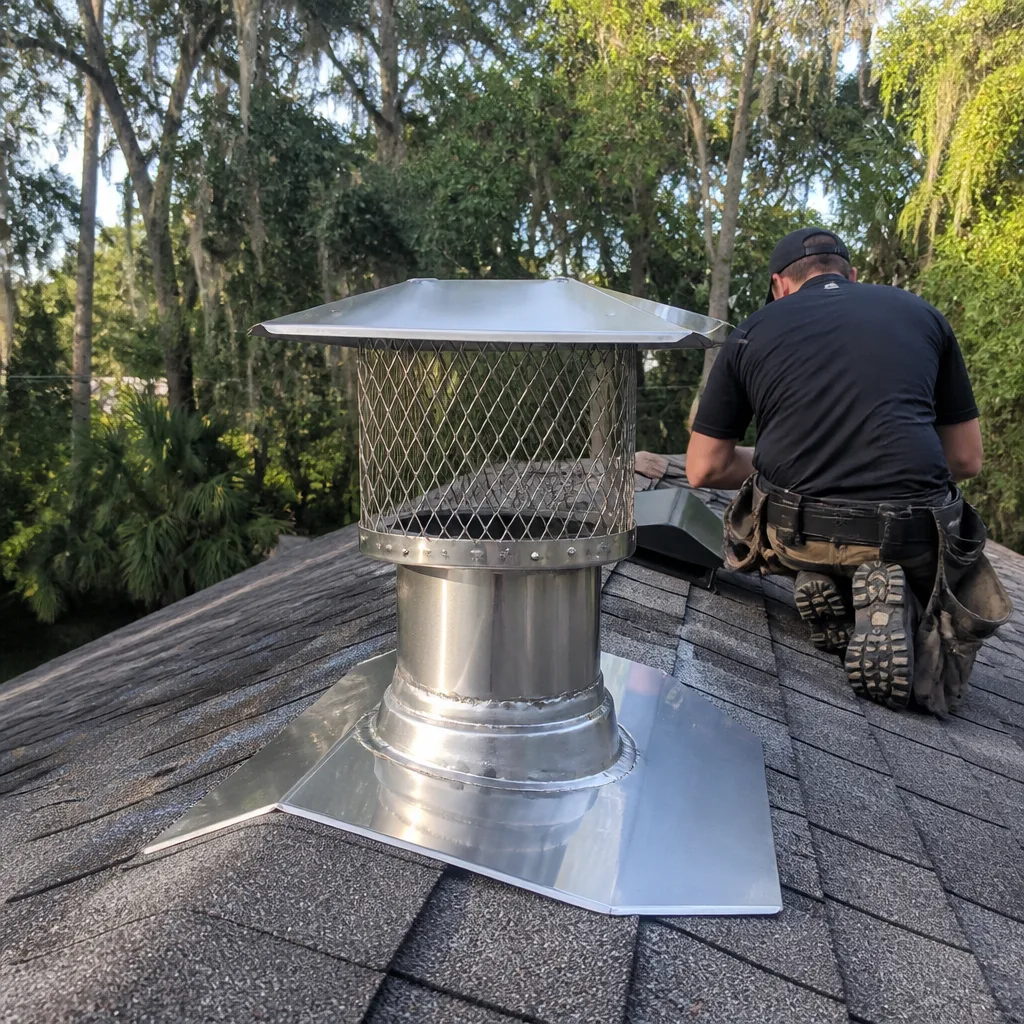 After
After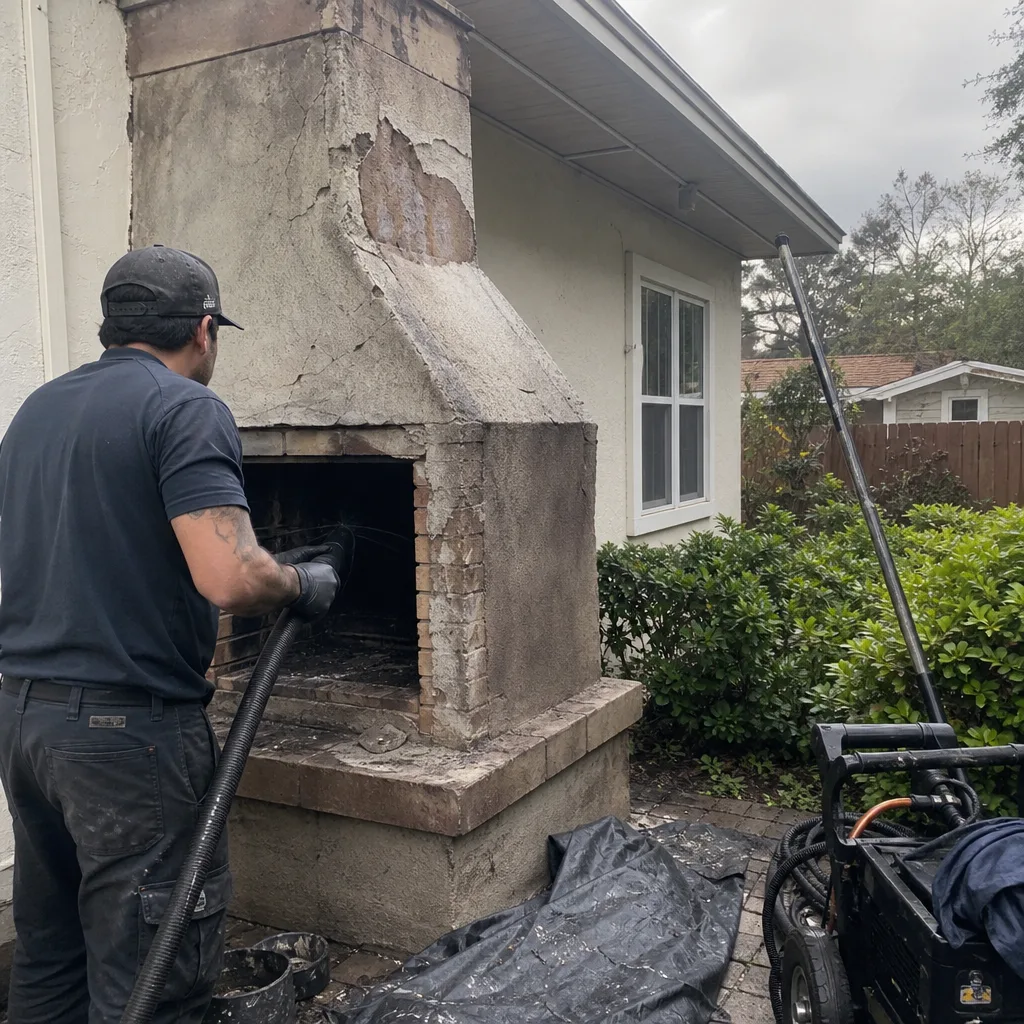 Before
 After
After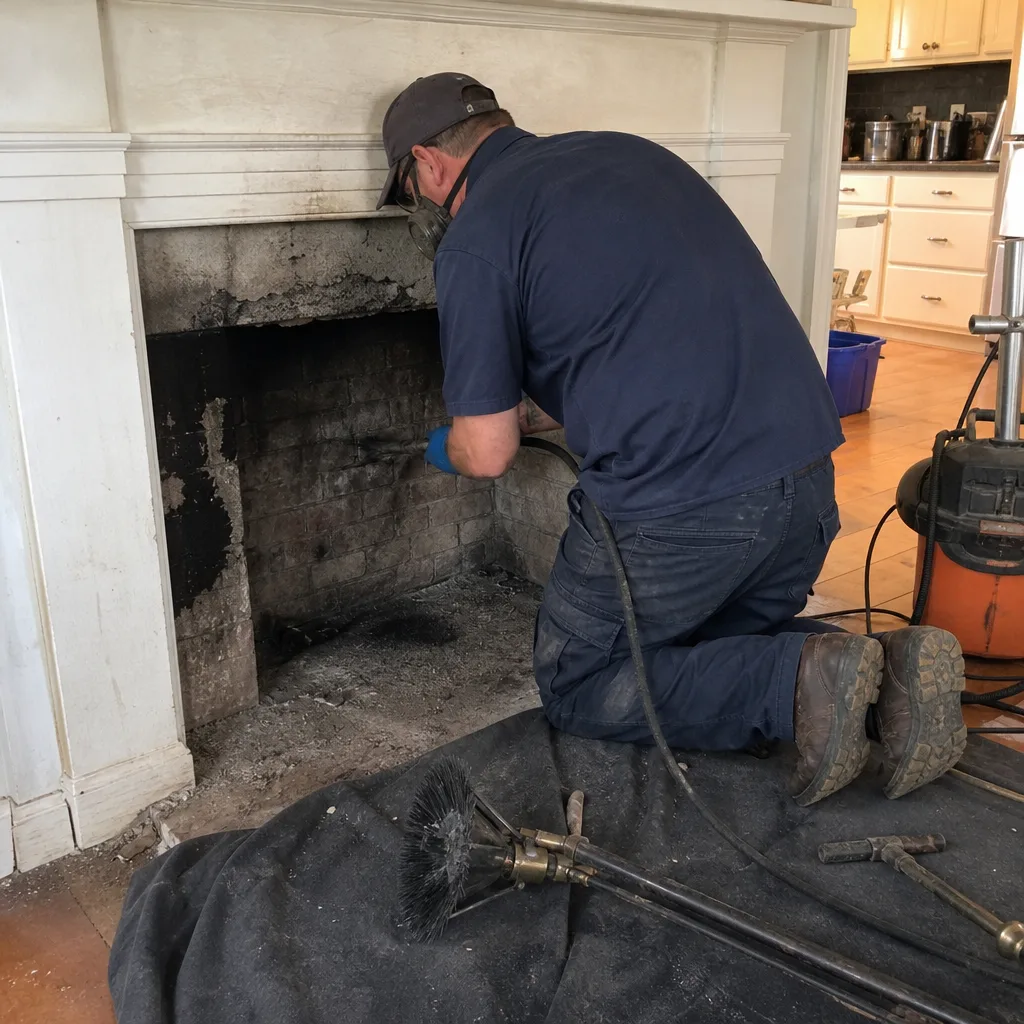 Before
 After
After