
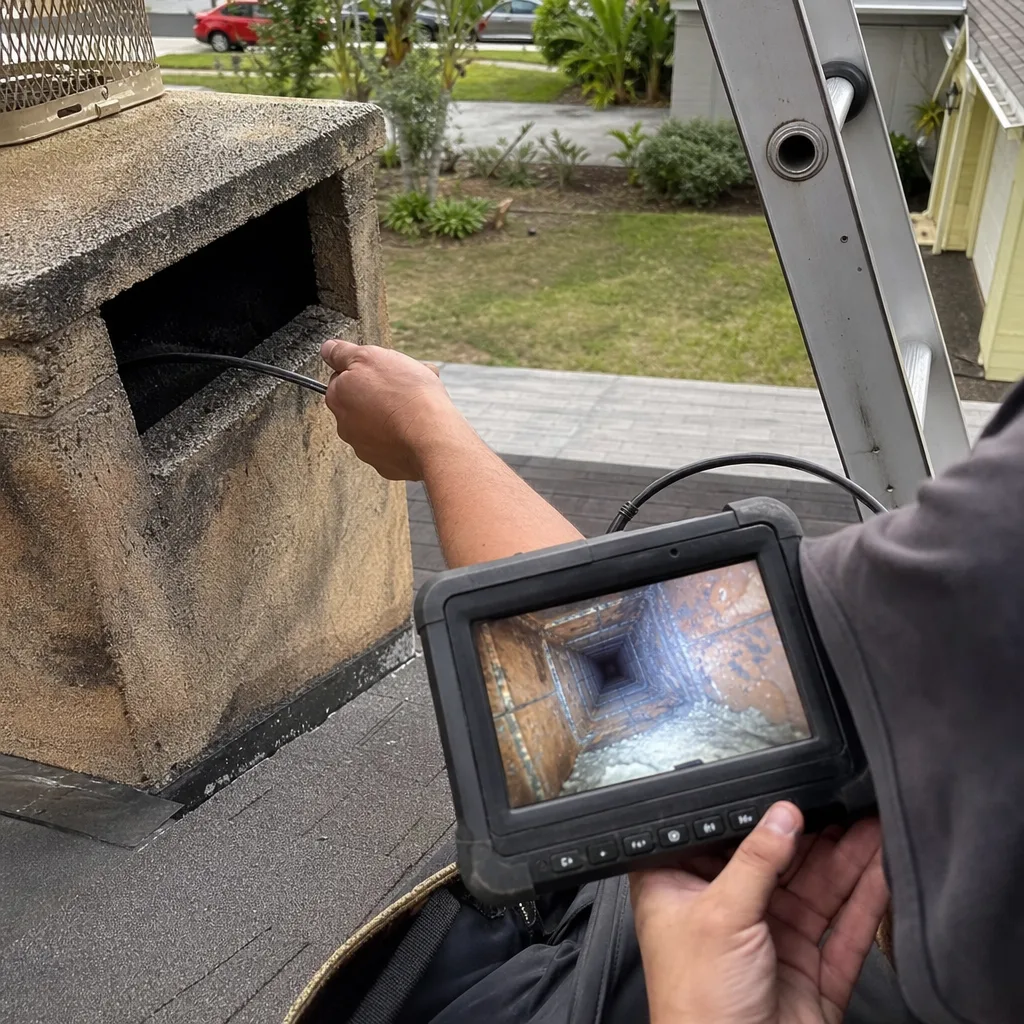
 Sweep & inspection
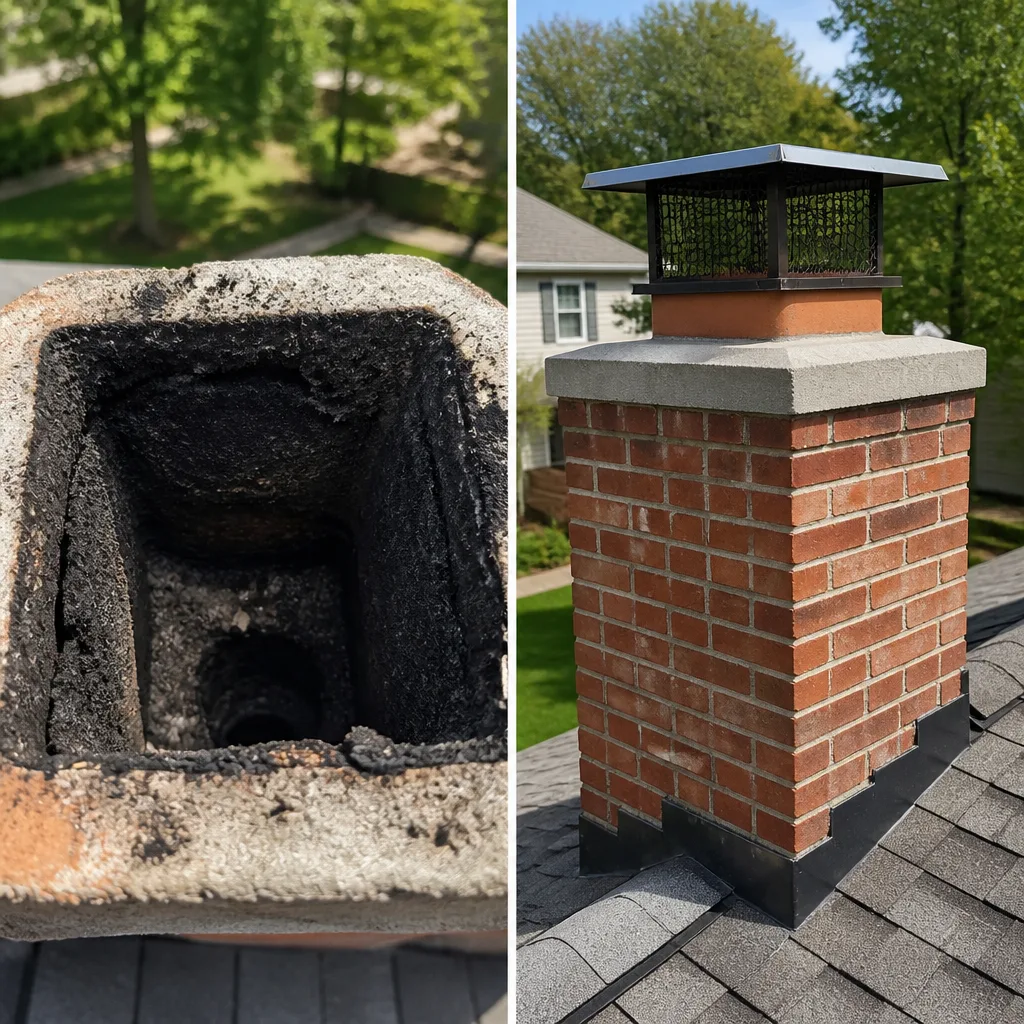
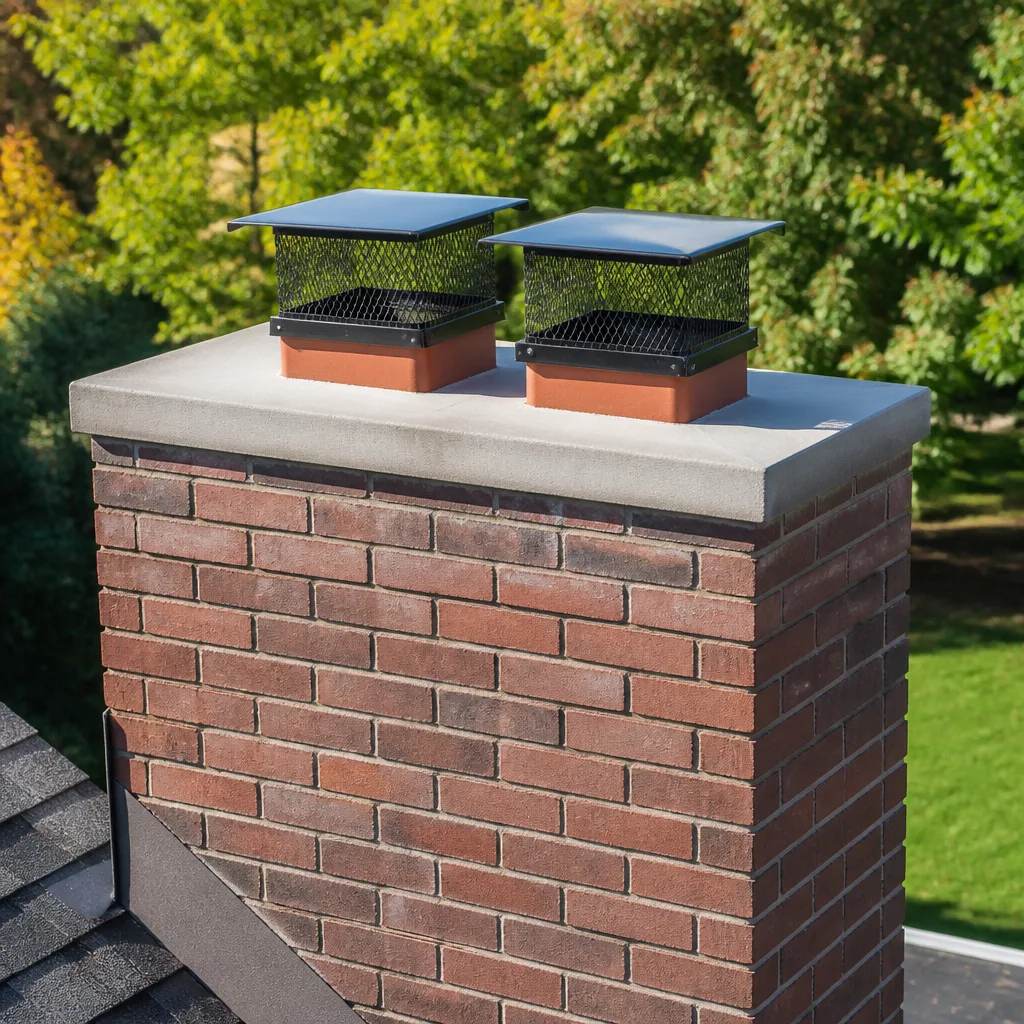 Caps & crowns
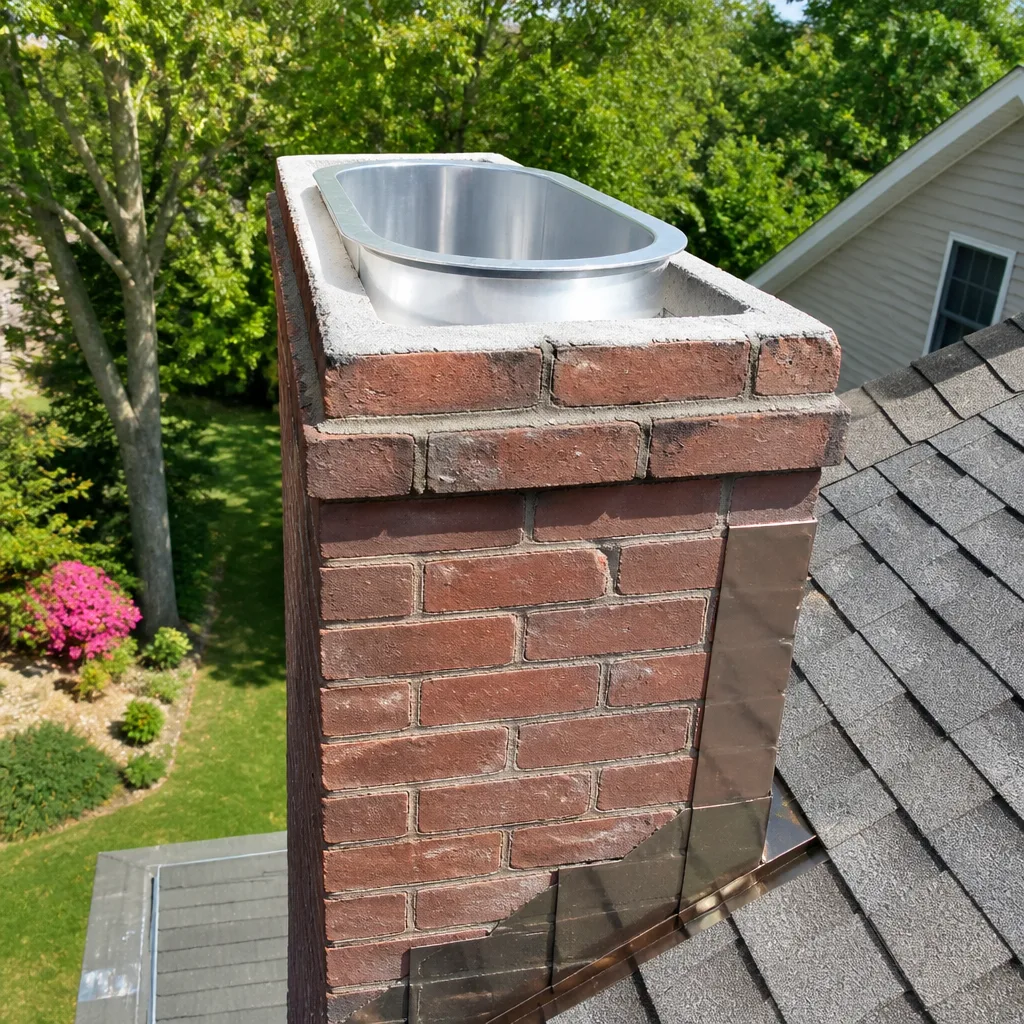 Flue relining
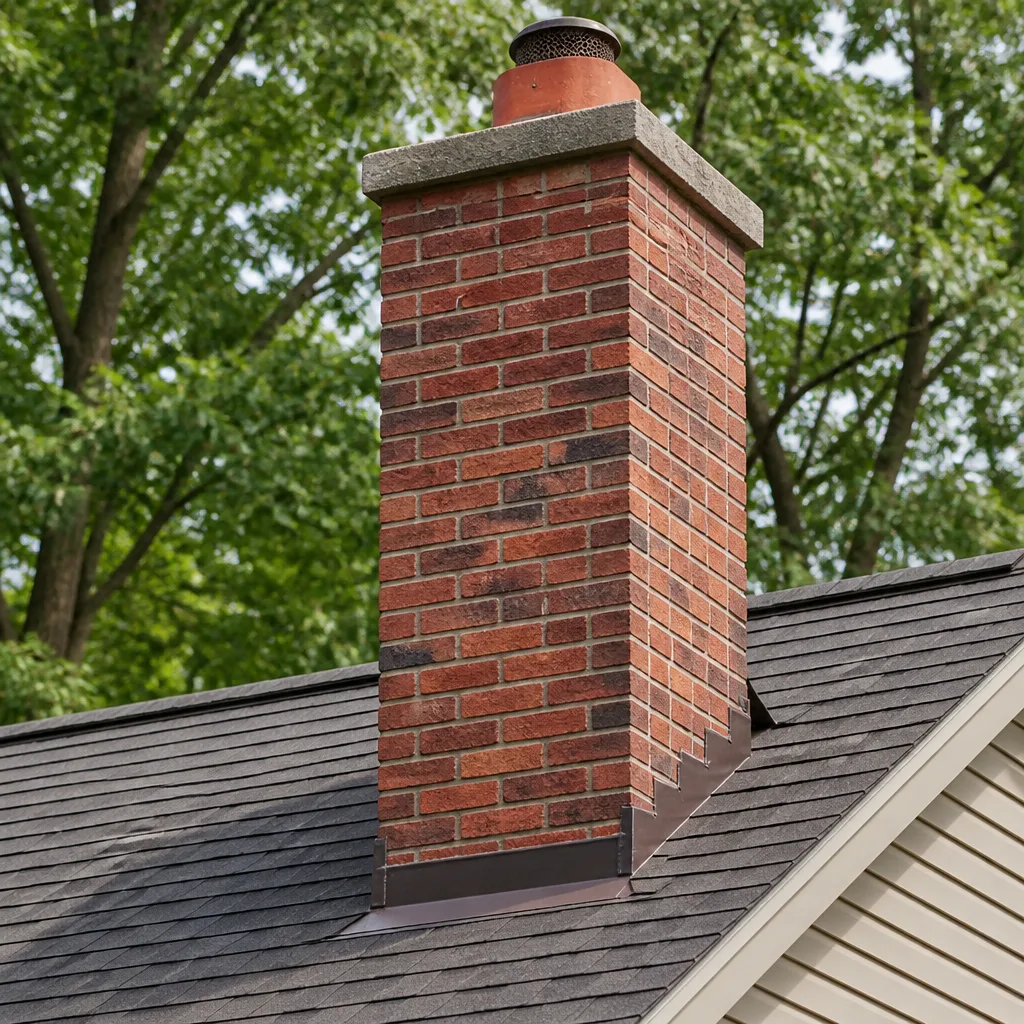 Masonry repair
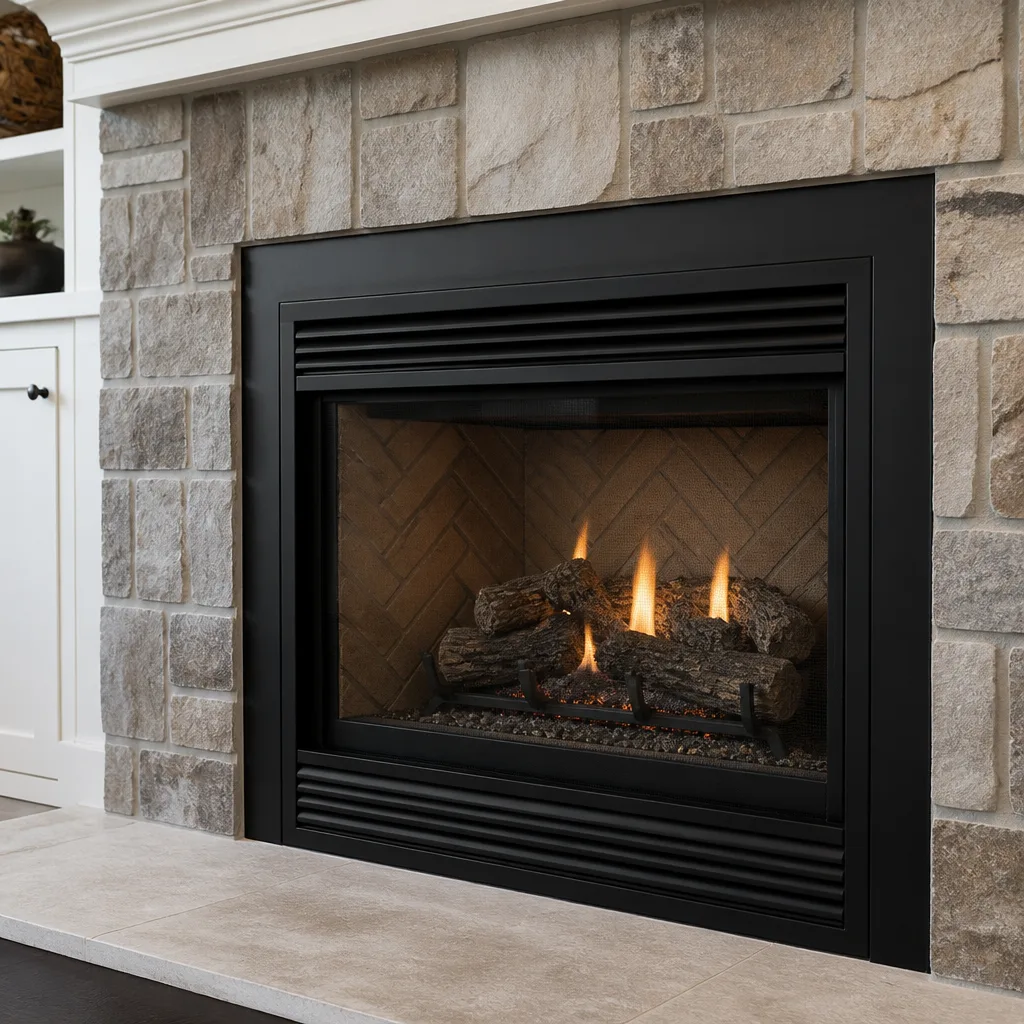 Gas fireplace service
Level 1 sweep and inspection to the NFPA 211 annual standard - flue, crown, cap, and flashing checked and photographed
Chimney sweep logs do not sweep chimneys. They loosen some creosote - which then falls where a brush and vacuum still have to collect it.
Styles & brands we work with
See the difference
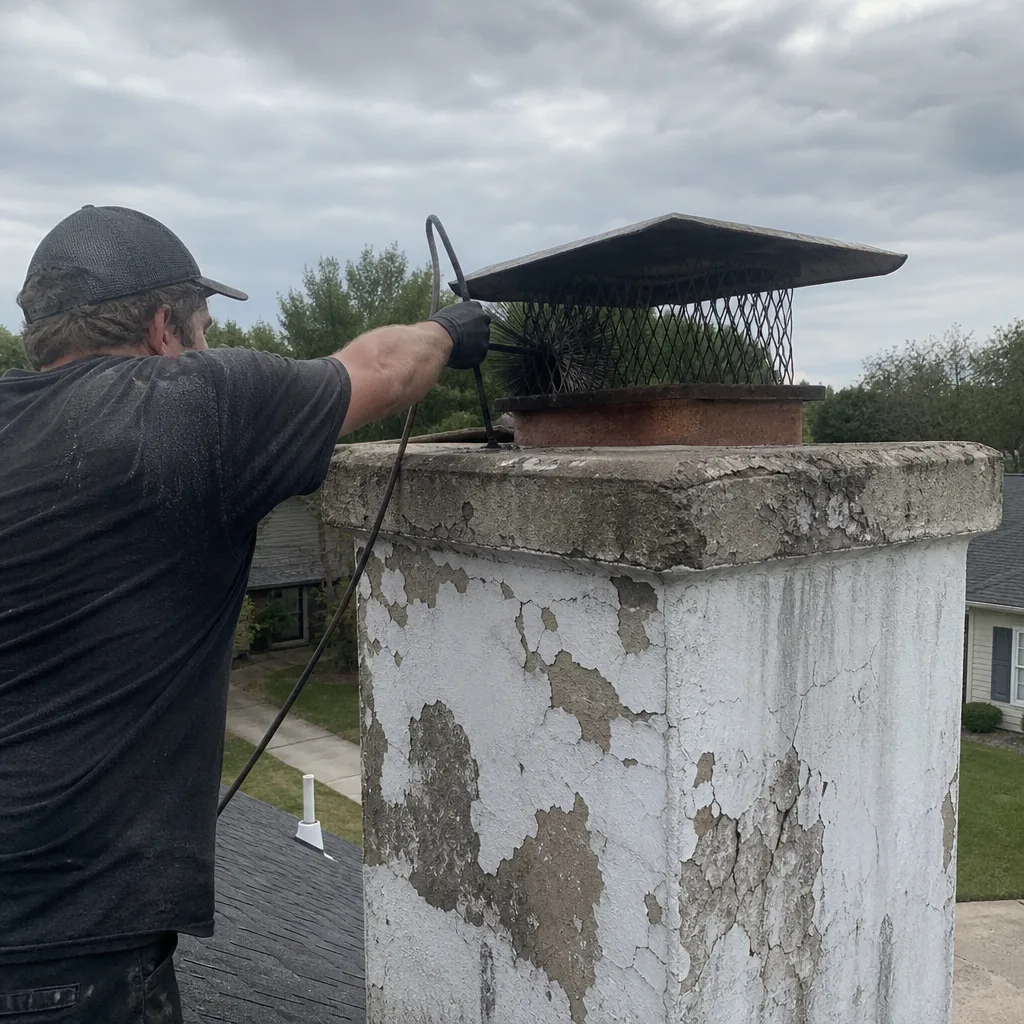 Before
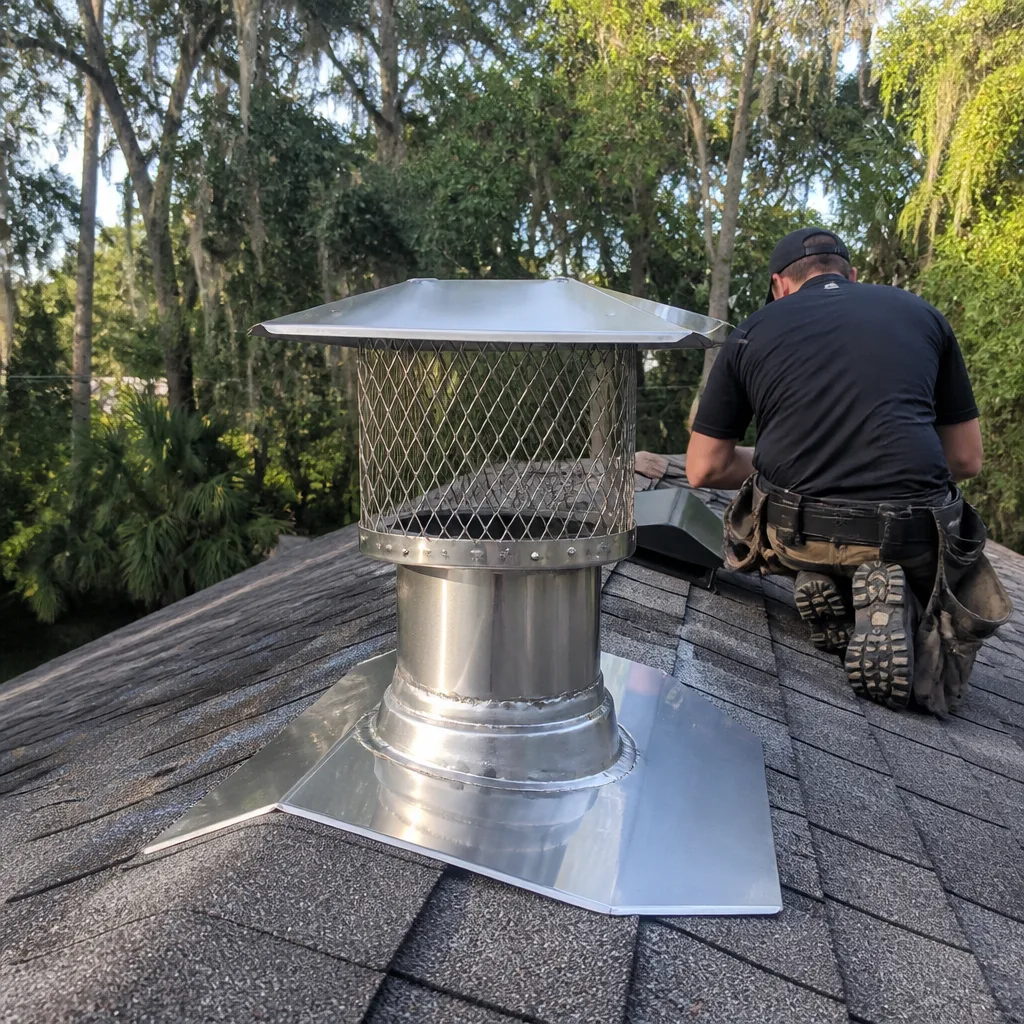 After
After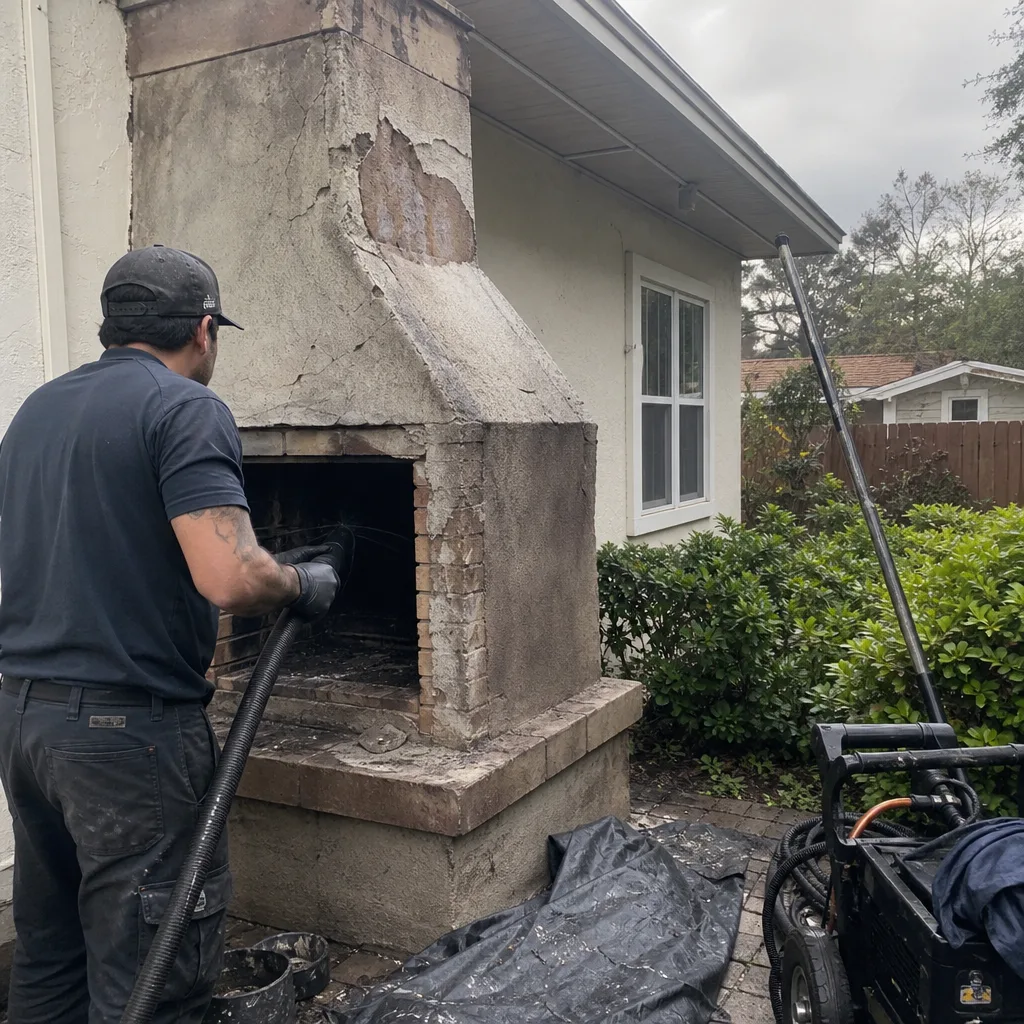 Before
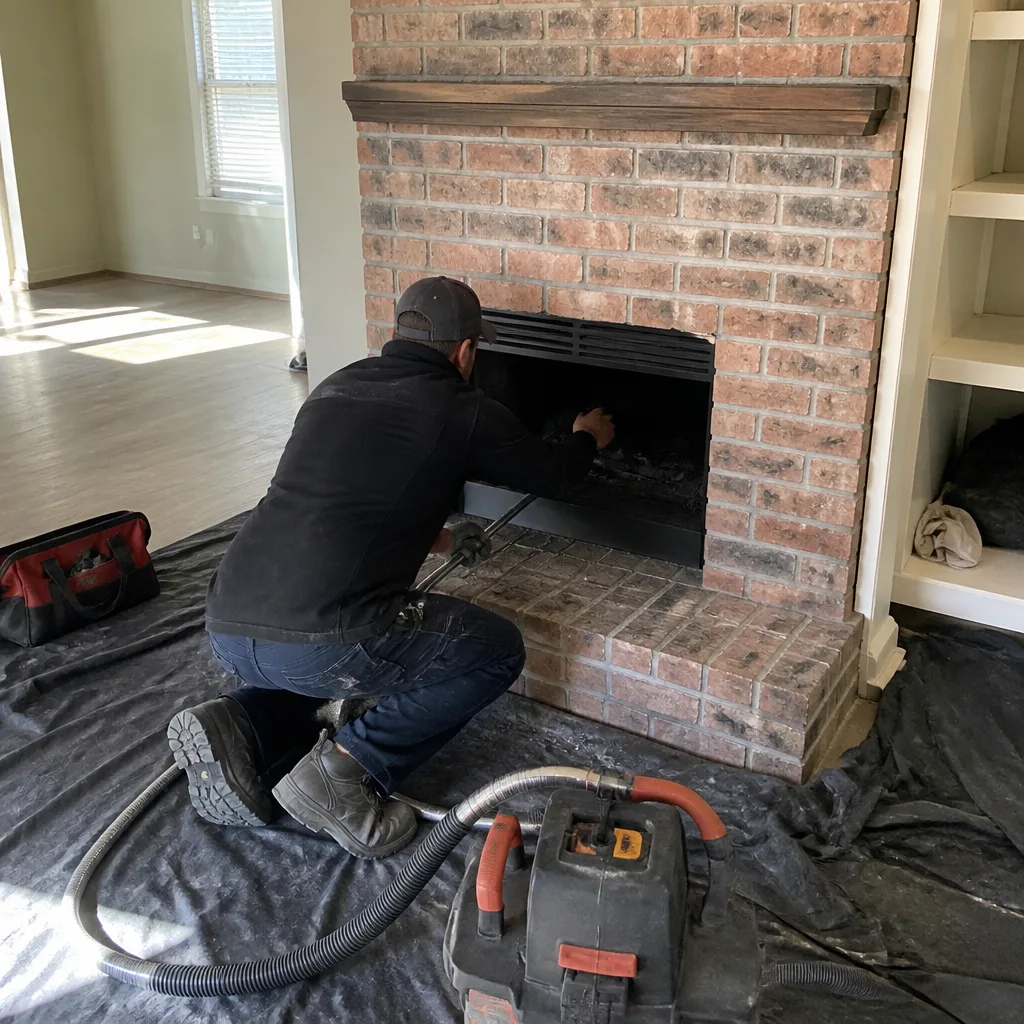 After
After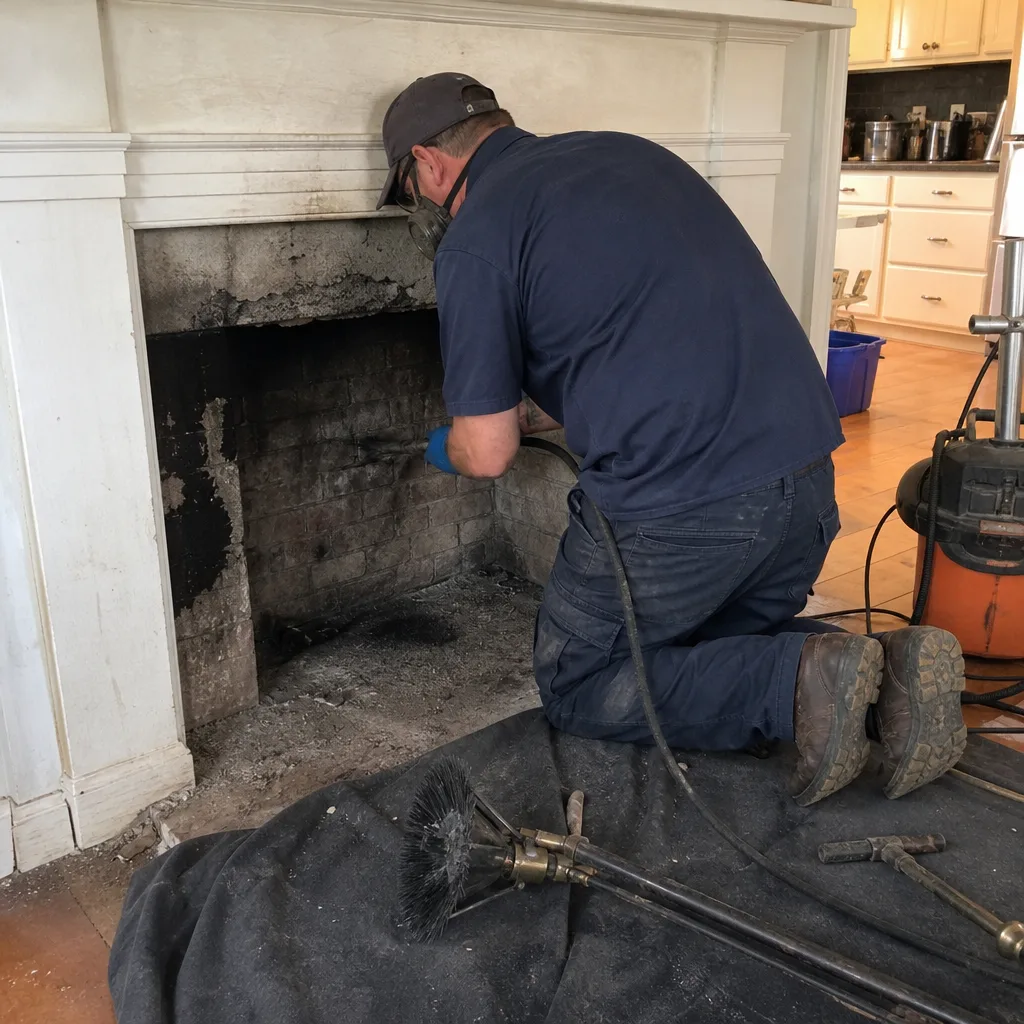 Before
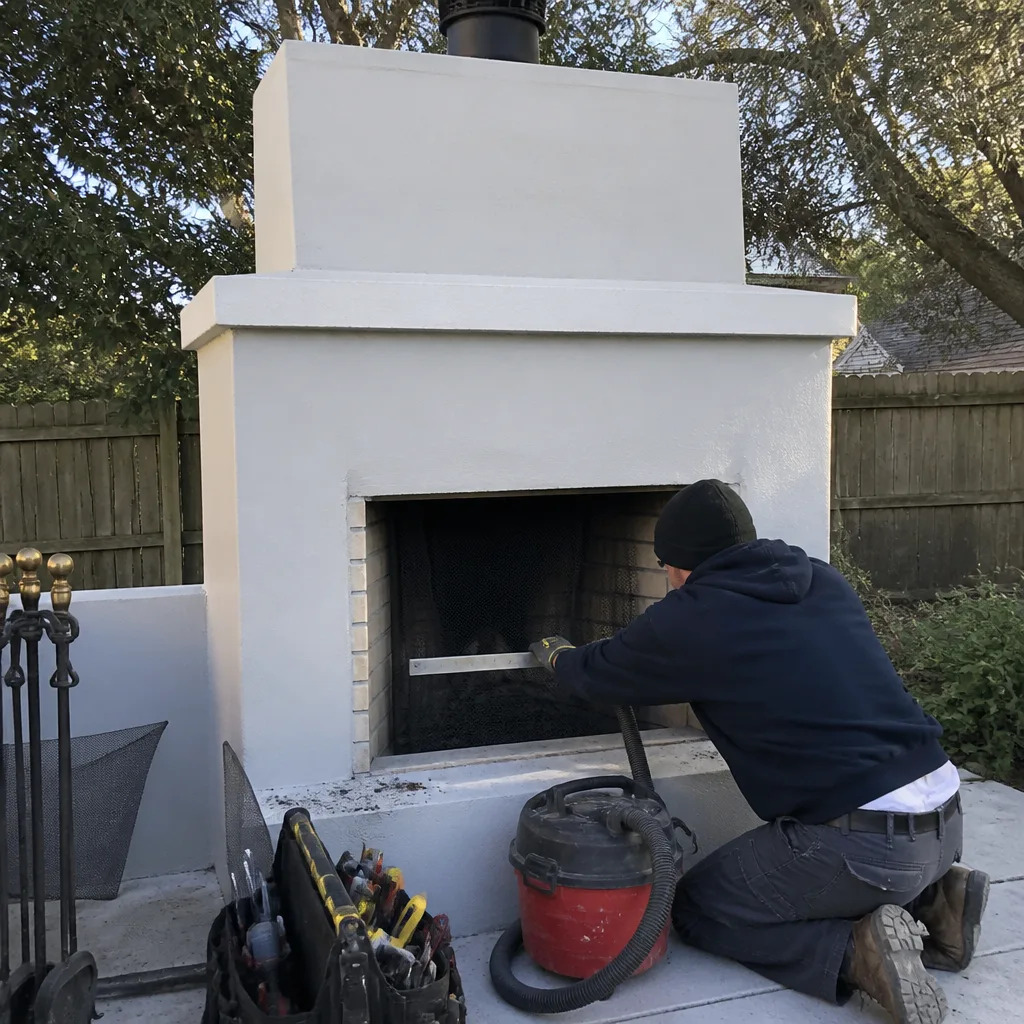 After
AfterSoot Removal in Jacksonville, FL
Soot removal in Jacksonville typically costs between $150 and $350 as part of a standard chimney cleaning, and most jobs are completed in under two hours. Soot is the fine black powder left behind when wood, gas logs, or other fuels burn incompletely, and over time it builds up on the flue walls, smoke shelf, and damper assembly. At Alcott Chimney Jacksonville, we remove soot as part of our full Chimney Cleaning & Sweep service, and every job includes a written price before work begins. Call (904) 453-7823 and a live person answers, day or night.
Jacksonville’s humidity makes soot problems worse than they’d be in a drier climate. When humid air meets soot deposits inside a chimney, the soot absorbs moisture and becomes acidic. That acidic slurry eats at mortar joints and metal components like the damper and, over time, the flue liner itself. Ruben Castellano and our technicians see this pattern regularly in older Jacksonville homes, especially in Riverside, Avondale, San Marco, and Springfield, where many chimneys date back to the 1920s and 1930s and were built with unlined or clay-tile-lined flues that are especially vulnerable.
One thing worth saying plainly: soot is not the same as creosote. Creosote is the tar-like, oily, brown or black coating that builds up from burning wood, and it’s the leading cause of chimney fires. Soot is the drier, flakier black powder that comes from incomplete combustion, whether from a wood fire, a gas log set, or even a furnace venting through the chimney. Both need to be removed, but they’re removed differently. A real chimney sweep knows which one they’re looking at the moment they see it. We do.
When You Need Soot Removal
Soot removal isn’t just a once-a-decade maintenance chore. There are specific signs that tell you the flue is loaded with soot and needs attention now. If you’re noticing any of the following around your Jacksonville home, it’s time to call.
- A stale, campfire-like smell that gets stronger on humid days. Jacksonville’s summer humidity pulls moisture into the chimney, and wet soot gives off a strong, acrid odor that seeps into the living space. If the smell gets worse after a rainstorm, soot buildup is almost certainly the culprit.
- Black smudges or stains around the fireplace opening or on the mantel. Fine soot particles ride the draft upward but can escape past a faulty damper or when a downdraft hits the chimney. If you’re wiping black residue off your mantel or hearth more than once a season, the flue is likely overloaded.
- Reduced draft or smoke puffing back into the room when you light a fire. Thick soot accumulation narrows the effective flue diameter. That means less draw, more smoke spillage, and a fireplace that’s telling you plainly it can’t breathe.
- You’ve recently had a vented gas log set installed or converted from wood. Gas logs burn cleaner than wood but they still produce soot, especially the vented variety and especially if the logs aren’t positioned correctly or the flame is hitting the ceramic in the wrong spot. Many Jacksonville homeowners don’t realize gas fireplaces need soot removal too.
- The chimney hasn’t been cleaned in over a year and you burn regularly. The National Fire Protection Association standard (NFPA 211) says chimneys should be inspected annually and cleaned as needed. If you burn wood fires through Jacksonville’s cooler months, November through February typically, annual cleaning is the floor, not the ceiling.
Some of these signs, particularly the smoke puffing back into the room, can also point to a partially blocked flue from an animal nest or fallen debris. Either way, the fix starts with a professional look. Our technicians have been doing this in Jacksonville since 2002, and they know what a North Florida chimney should look like on the inside.
Why Jacksonville Weather Speeds Up Soot Problems
Jacksonville is one of the most humid major cities in the continental U.S. According to NOAA climate data, the city averages over 50 inches of rain a year and the relative humidity rarely drops below 70 percent, even in the “dry” season. That humidity interacts with soot in a way that most national chimney-service content never addresses. Soot is hygroscopic, meaning it pulls moisture from the air. When soot sits in a flue through a Jacksonville summer, it absorbs humidity, becomes acidic, and begins breaking down whatever it’s touching: clay tiles, mortar crowns, steel liners, dampers. The result is that a chimney with heavy soot isn’t just dirty; it’s being slowly corroded from the inside. This is why we treat soot removal as a protective service, not just a cosmetic one.
Our Soot Removal Process
We don’t do one-size-fits-all chimney work. Here’s exactly what happens when you call Alcott Chimney Jacksonville for soot removal.
- Call and talk to a real person, any hour. When you call (904) 453-7823, a live person answers. No voicemail jail, no automated menu. We ask a few questions about your fireplace, your fuel type, and what you’re seeing, then we schedule a visit that works for you.
- You’ll know exactly who’s coming, before they arrive. This is the Threshold Standard, and it’s not an optional add-on. Every Alcott technician is background-checked and identity-verified before they ever step onto a customer’s property. We send you the technician’s name and photo before the visit, and that technician shows a photo ID badge at the door. If the person at your door doesn’t match the photo you received, don’t open the door. It won’t happen, but you’ll know to check.
- We inspect the chimney before we touch it. Our technician looks at the flue, firebox, damper, smoke shelf, and chimney crown. We use a video inspection camera so you can see what we see, in real time, on a screen we bring into your home. You shouldn’t have to take anyone’s word for the condition of your chimney; we show you.
- We protect your home before the work begins. We lay down drop cloths around the fireplace, cover nearby furniture with dust barriers, and use a HEPA-filtered vacuum system to run within the work area. You won’t get a living room coated in a fine black film. That’s a non-negotiable part of the job.
- We remove soot from the full system using professional-grade tools. Depending on what we find during the inspection, we use rotary brush systems, hand brushes sized to your flue, and specialized soot-vacuuming equipment. We don’t use box-store substitutes for tools or materials; we use the same trade equipment professional chimney techs across the country specify, including HeatShield and Olympia Chimney products when repair work is needed alongside the cleaning.
- We finish with a written condition report and a written price for any recommended repairs. After the soot removal is complete, we walk you through what we found, what we did, and what (if anything) we’d keep an eye on. If we recommend repair work, you get a written price before anything else is done. No pressure, no surprise line items on an invoice.
Most soot removal jobs in Jacksonville take between 60 and 90 minutes from start to finish. Larger chimneys, heavily stained flues, or systems that haven’t been cleaned in several years can take longer, and we’ll tell you that up front.
Soot Removal Pricing in Jacksonville
We believe in real numbers, so here they are. A soot removal service in Jacksonville, performed as part of a full chimney cleaning, typically runs between $150 and $350 for a standard single-flue chimney in good condition. That range reflects what our customers actually pay, not a teaser rate that gets inflated later.
Several factors move the price within that range:
- Flue size and chimney height. A one-story ranch with a standard 6-inch flue costs less to clean than a two-story Riverside classic with a taller flue that requires more work from the roof.
- Severity of buildup. If the soot layer is thick and hardened, removal takes longer. This is especially common in Jacksonville homes where the chimney has sat uncleaned through multiple humid summers; the soot absorbs moisture, cakes, and hardens into layers that resist a standard pass.
- Access conditions. Steep roofs, complicated pitch, or chimneys surrounded by tree cover can add labor time. We’ll look at your specific situation and price it accurately, not guess from a call center.
- Video inspection add-on. We include a visual inspection with every cleaning, and we offer a full video scan when we need to see deeper into the flue. In Jacksonville, where 100-year-old chimneys are common, a video scan is often the difference between catching a cracked clay tile early and paying for a full rebuild two years later.
- Repairs discovered during cleaning. If we find a compromised flue liner, a rusted-out damper, or a failed chimney cap, we’ll quote that separately, in writing, with a written guarantee. We install Gelco and Famco chimney caps and related hardware, and we can resurface damaged flues with HeatShield rather than tearing out and rebuilding in many cases.
What About “Free” Soot Removal Offers?
Jacksonville has its share of $49 and $69 chimney cleaning deals, especially in the fall. We don’t compete with those, and here’s why: a real chimney cleaning requires equipment, time, and a technician who knows what they’re looking at. When a company prices a chimney service at $49, someone is making up that gap somewhere, usually in the form of a hard-sell repair pitch launched from your living room. Our pricing is straightforward: we give you a written price before work begins, and it reflects the actual cost of doing the job correctly. No bait, no switch, no “while I’m here, I found something” upsell theater. Ruben Castellano built this company on the idea that Jacksonville homeowners would rather pay a fair, accurate price once than get a cheap headline rate and a surprise invoice. That’s exactly what we deliver.
FAQs – Soot Removal
How much does soot removal cost in Jacksonville?
Soot removal in Jacksonville typically costs $150 to $350 when performed as part of a full chimney cleaning, with service in older neighborhoods like Avondale or Ortega sometimes running higher due to taller chimneys and harder access. The final price depends on flue size, roof access, and how much soot has accumulated. Call (904) 453-7823 and we’ll give you a written quote before any work starts.
Is soot removal the same as chimney sweeping?
No. Soot removal targets the fine black powder from incomplete combustion, while chimney sweeping removes creosote, the tar-like, highly flammable coating that builds up from burning wood. A proper Chimney Cleaning & Sweep in Jacksonville removes both, and the technique for each is different.
Can soot buildup damage my chimney?
Yes. Soot is hygroscopic, meaning it absorbs moisture, and in Jacksonville’s humid climate that moisture turns the soot acidic. The acid eats at mortar joints, clay tiles, and metal dampers over time, causing damage that gets more expensive to repair the longer it sits. Regular soot removal is preventative maintenance.
How often should I have soot removed from my Jacksonville chimney?
Most homeowners who burn regularly should have soot removed annually, which aligns with the National Fire Protection Association’s recommendation for an annual inspection. If you burn only occasionally, you may be able to stretch it to every other year, but Jacksonville’s humidity argues for the annual appointment; wet, acidic soot does not rest quietly.
Do gas fireplaces produce soot that needs removing?
Yes, vented gas log sets produce soot, and even vent-free sets can leave deposits in the fireplace if the flame pattern isn’t right. We remove soot from gas fireplace systems as part of our standard chimney cleaning.
Written by Ruben Castellano, Owner at Alcott Chimney Jacksonville, serving Jacksonville.