
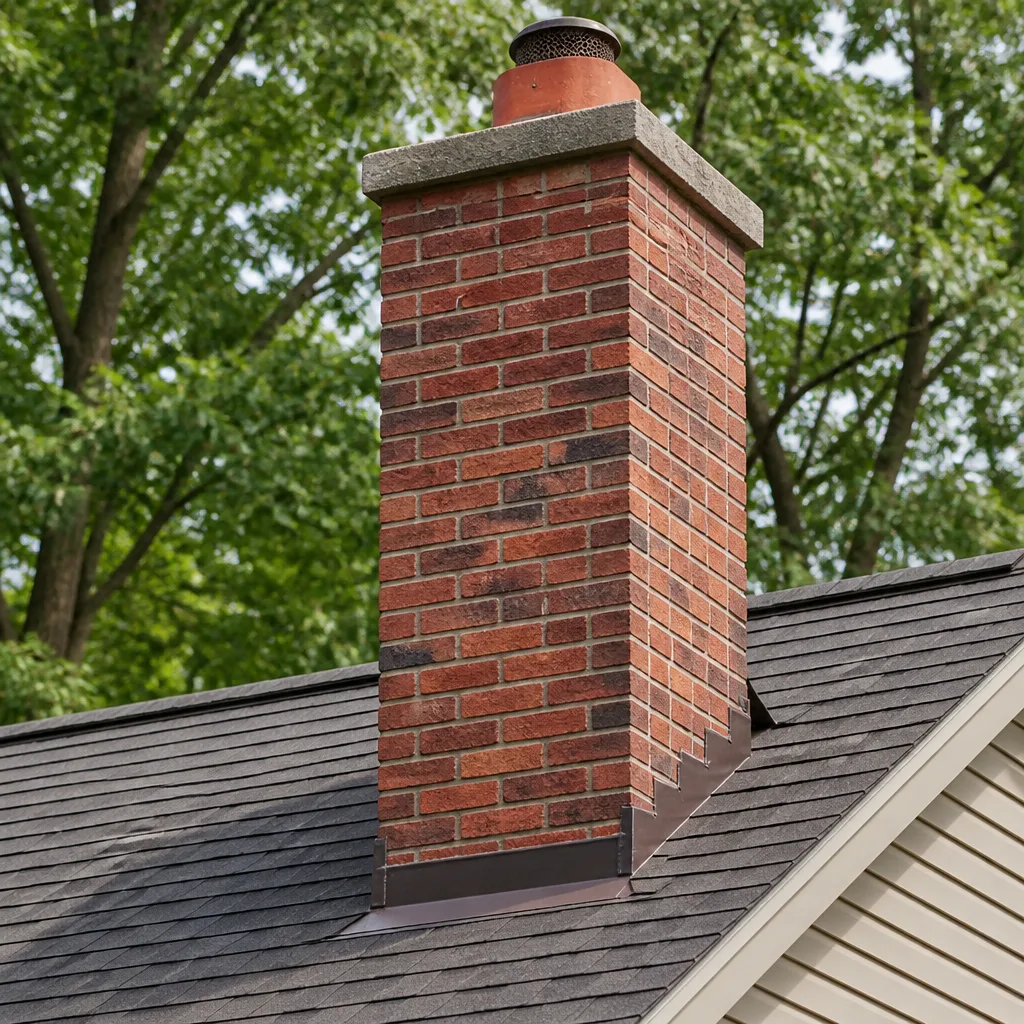
 Masonry repair
 Sweep & inspection
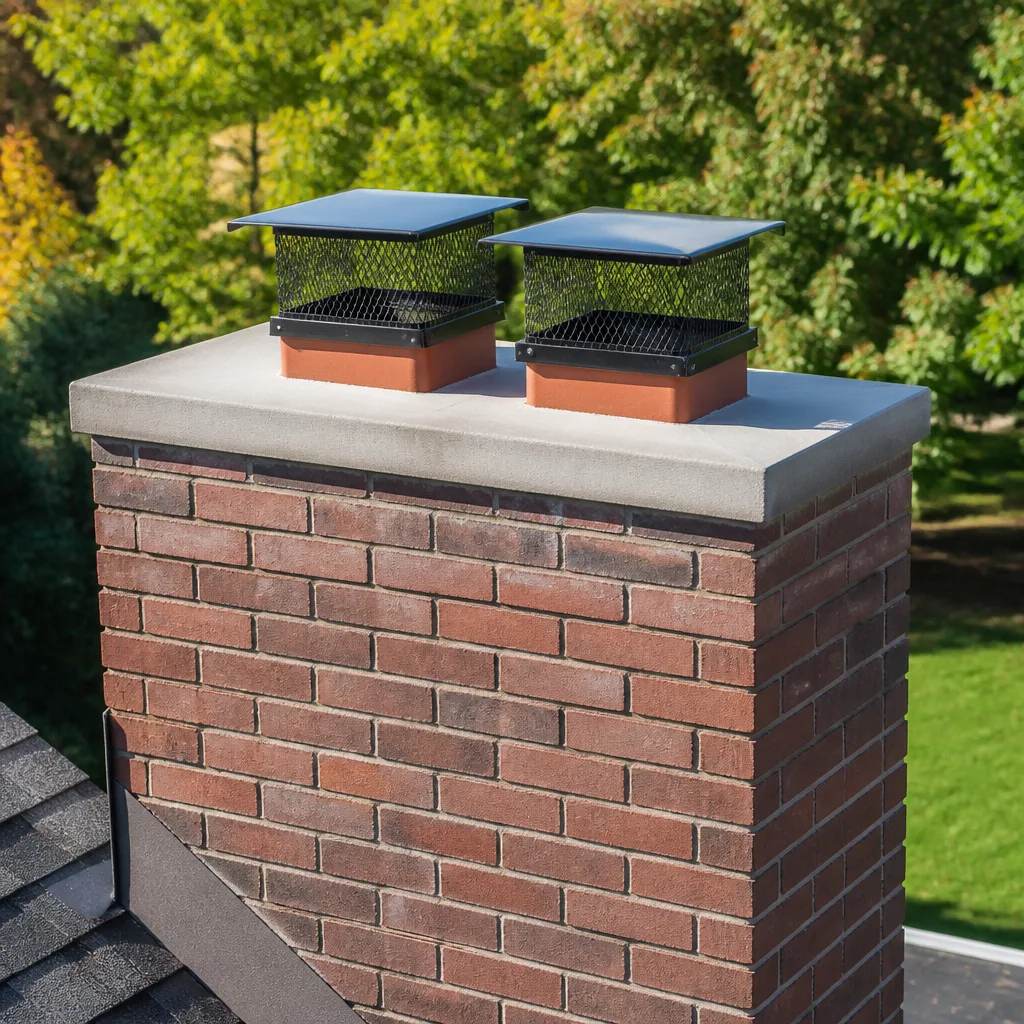 Caps & crowns
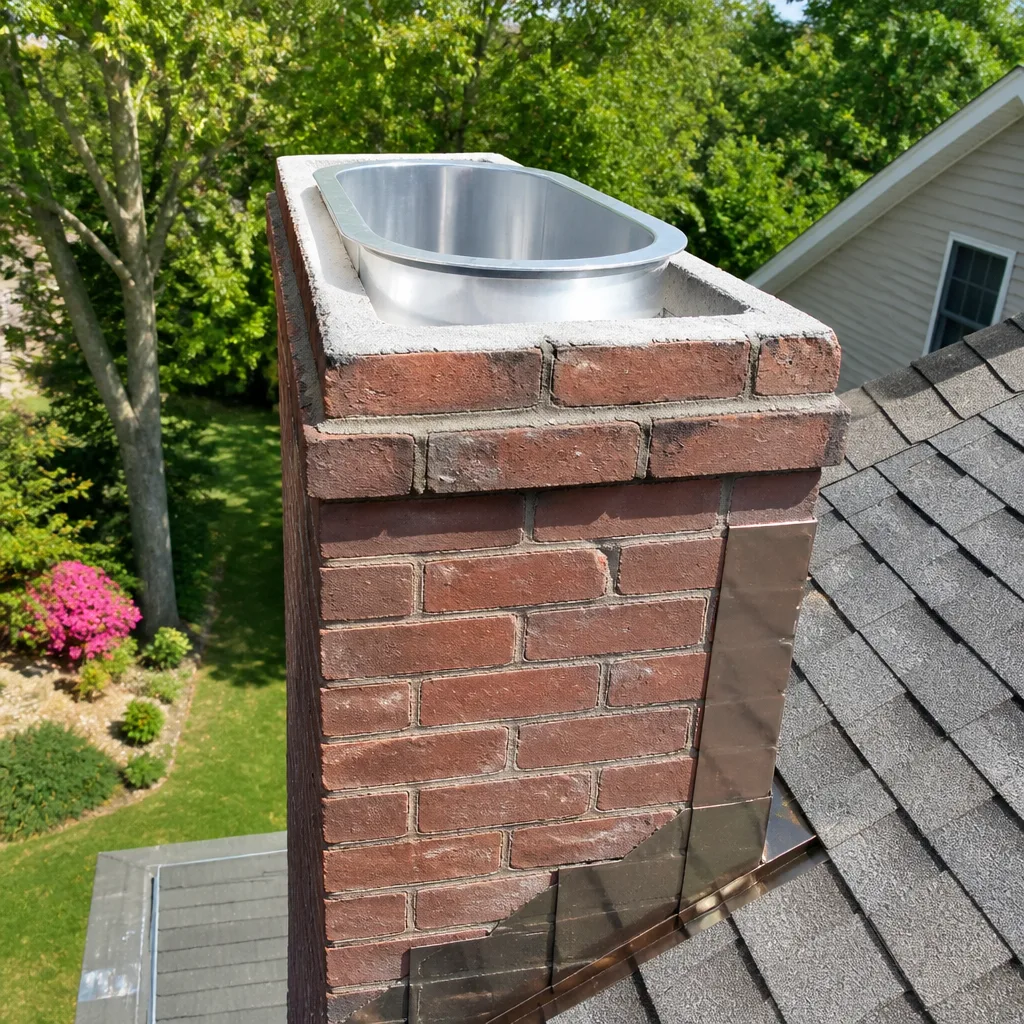 Flue relining
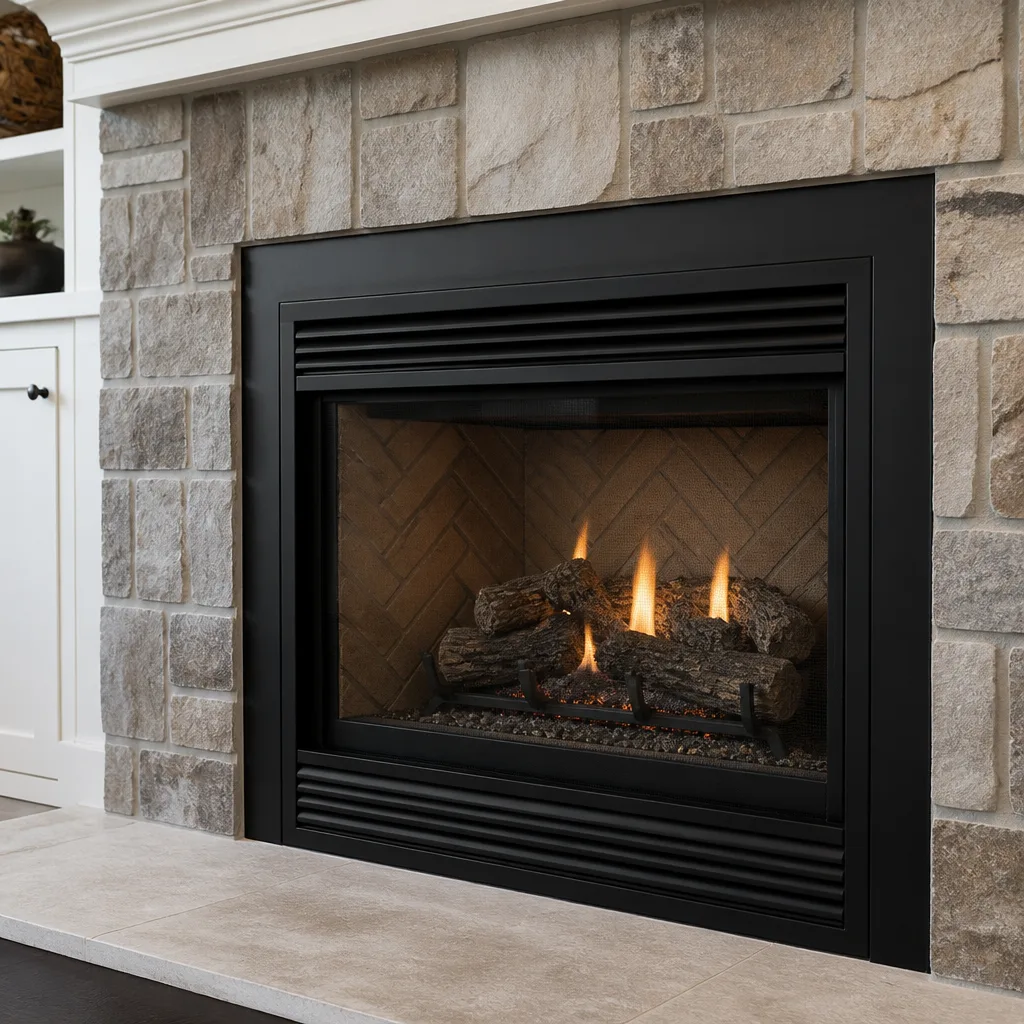 Gas fireplace service
Level 1 sweep and inspection to the NFPA 211 annual standard - flue, crown, cap, and flashing checked and photographed
Chimney sweep logs do not sweep chimneys. They loosen some creosote - which then falls where a brush and vacuum still have to collect it.
HeatShield Crown Repair: The Jacksonville Owner’s Guide
We stock and install HeatShield-compatible crown repair materials on our trucks, and a typical crown repair in Jacksonville runs $425 to $850 installed, including surface prep, bonding agent, and sealant matched to your HeatShield system. Most crown jobs are completed in a single visit, and because we carry HeatShield’s Ecoseal and CrownCoat products, we usually don’t need to order anything. Homeowners typically discover a failing crown the hard way: after a heavy Florida downpour, they see water staining on the ceiling near the fireplace, or chunks of mortar crumbling onto the roof after a windy week.
The crown is the concrete or mortar cap that sits on top of the chimney and sheds water away from the flue. When it cracks, Jacksonville’s rain finds the crack fast, and that water migrates down through the brick, into the smoke chamber, and eventually into drywall and framing. If you’re seeing white efflorescence on the chimney exterior or dampness inside the firebox after storms, the crown is the first place we look.
Which HeatShield Models This Applies To
HeatShield’s crown repair line works with any masonry chimney, but the material specs matter depending on what you’re sealing. The CeCure Crown Coat is a flexible, fiber-reinforced sealant designed for crowns with hairline cracking and surface spalling. The Ecoseal line is the penetrating water repellent we apply after crown repair to stop moisture absorption through the brick itself. If you have an older HeatShield system with a clay flue liner, the Crown Coat bonds directly to the existing crown after we grind and clean the surface. For chimneys with stainless liners like DuraFlex, the crown repair still applies, but the sealant must be compatible with the liner’s top plate and storm collar.
One compatibility gotcha we see often in Jacksonville: If your existing crown was poured too thin (under 2 inches at the edges) or lacks a proper drip edge, even the best Crown Coat will fail early. The drip edge is a small overhang that makes water fall away from the brick instead of running down the side. No sealant fixes a missing drip edge. That’s a rebuild, and we’ll tell you plainly before you spend a dime on sealing material that won’t hold.
Styles & brands we work with
Signs Your HeatShield Crown Repair Is Failing
- Crumbling mortar or concrete on the crown surface. Florida’s heat and rain cycle is brutal on crown material. The expansion and contraction from summer sun followed by afternoon downpours creates micro-cracks that widen every season.
- White chalky residue (efflorescence) on the chimney exterior. Water has entered the masonry and is pushing salt deposits to the surface. This is the earliest visible sign that water is getting past the crown.
- Damp spots or staining on the ceiling near the chimney chase. Water that penetrates the crown travels downward and shows up inside the home, often weeks after the rain event that started it.
- Flaking or spalling brick below the crown line. When water saturates the brick and then heats up, the brick face pops off. In Jacksonville, spalling tends to be most visible on the south and east faces where morning sun hits wet masonry hardest.
- A musty smell from the fireplace after rain. The odor is usually from water pooling in the smoke chamber behind the damper, a direct result of crown failure letting water in at the top.
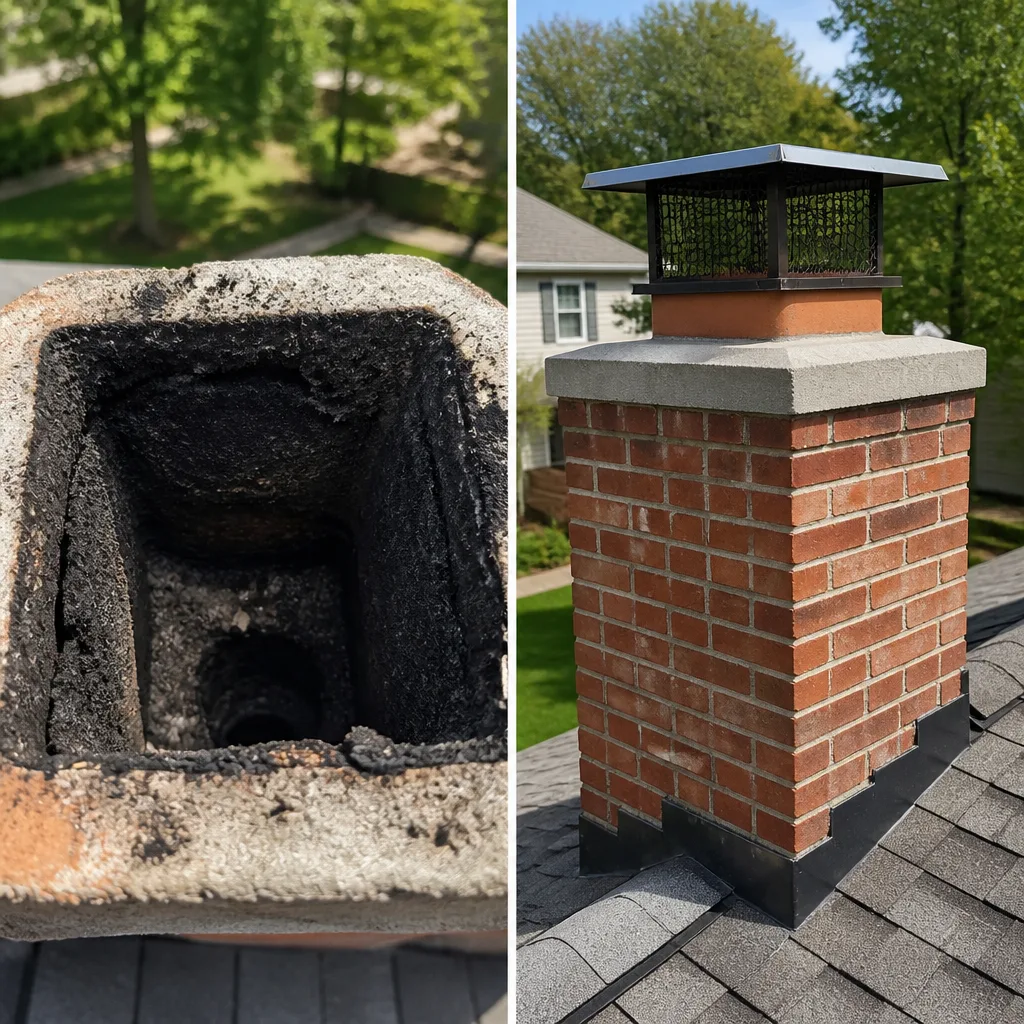
See the difference
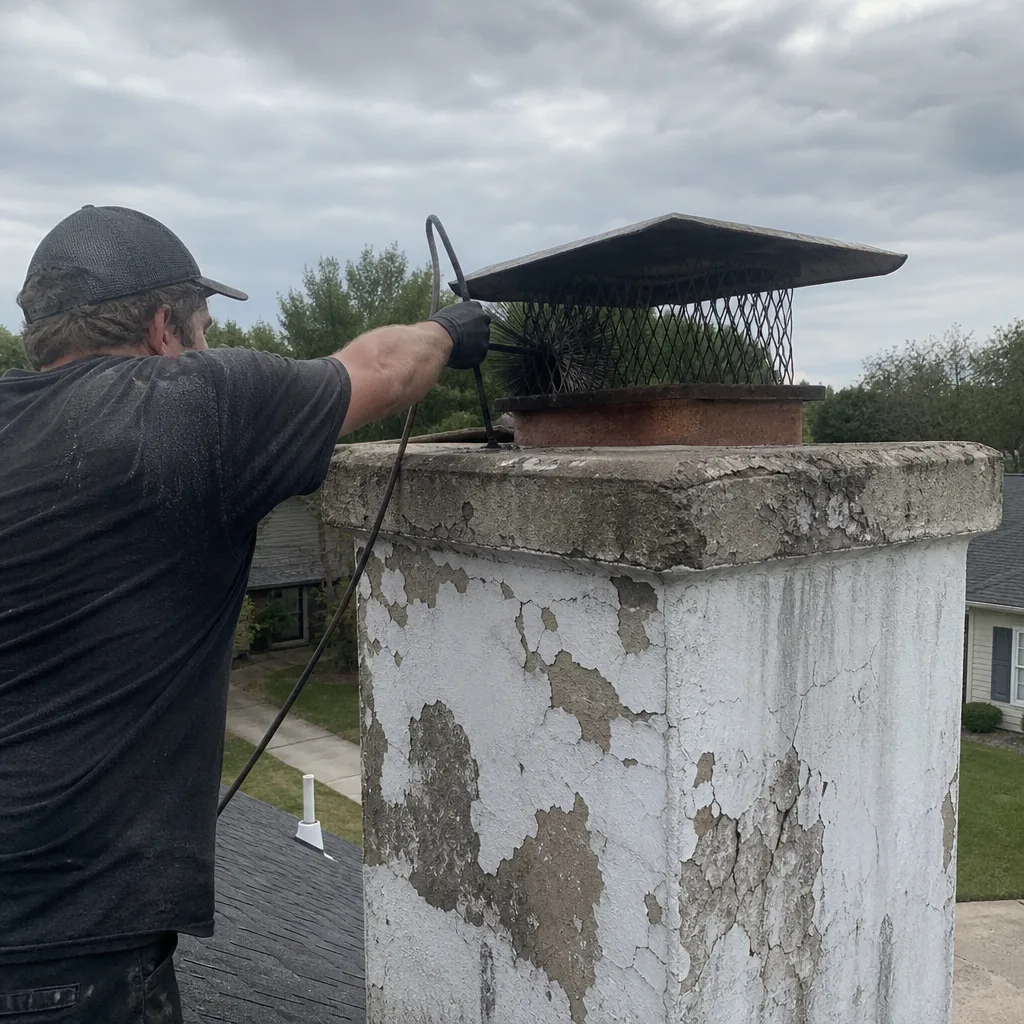 Before
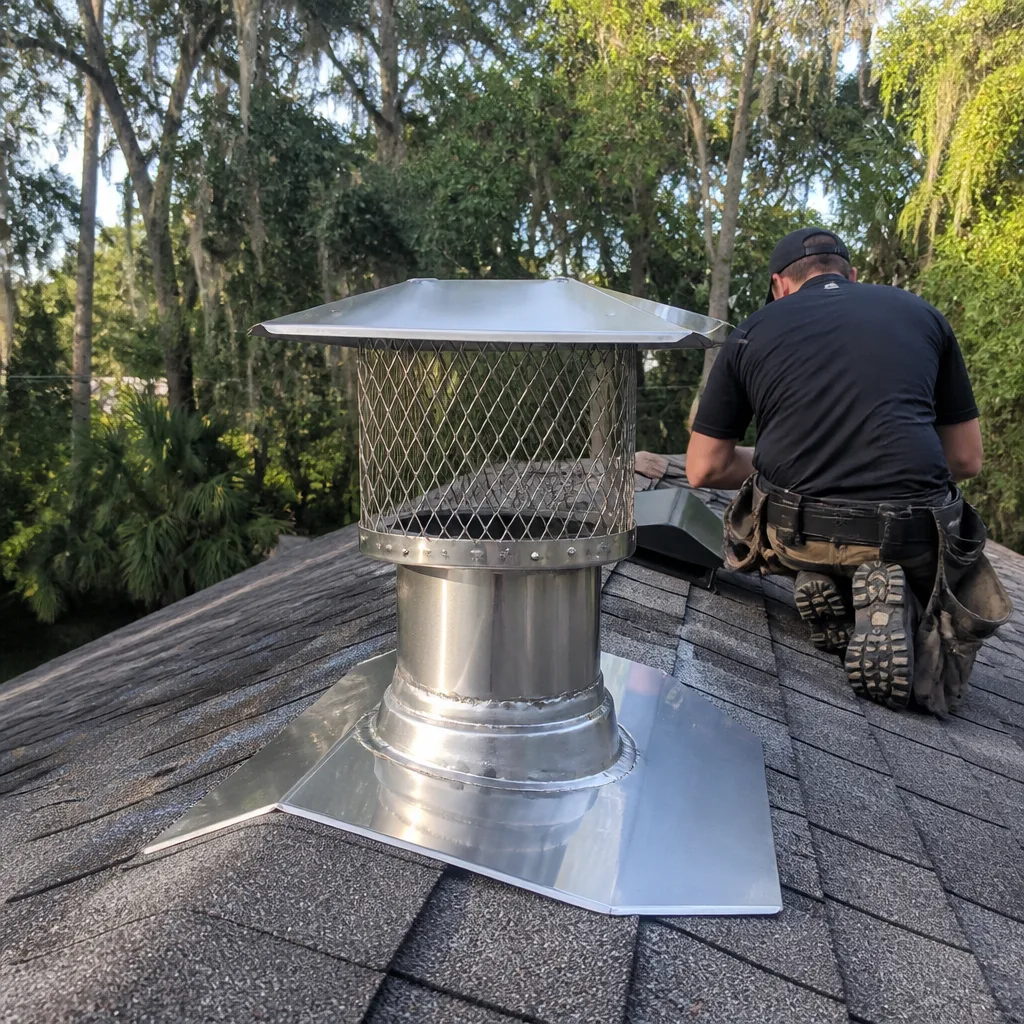 After
After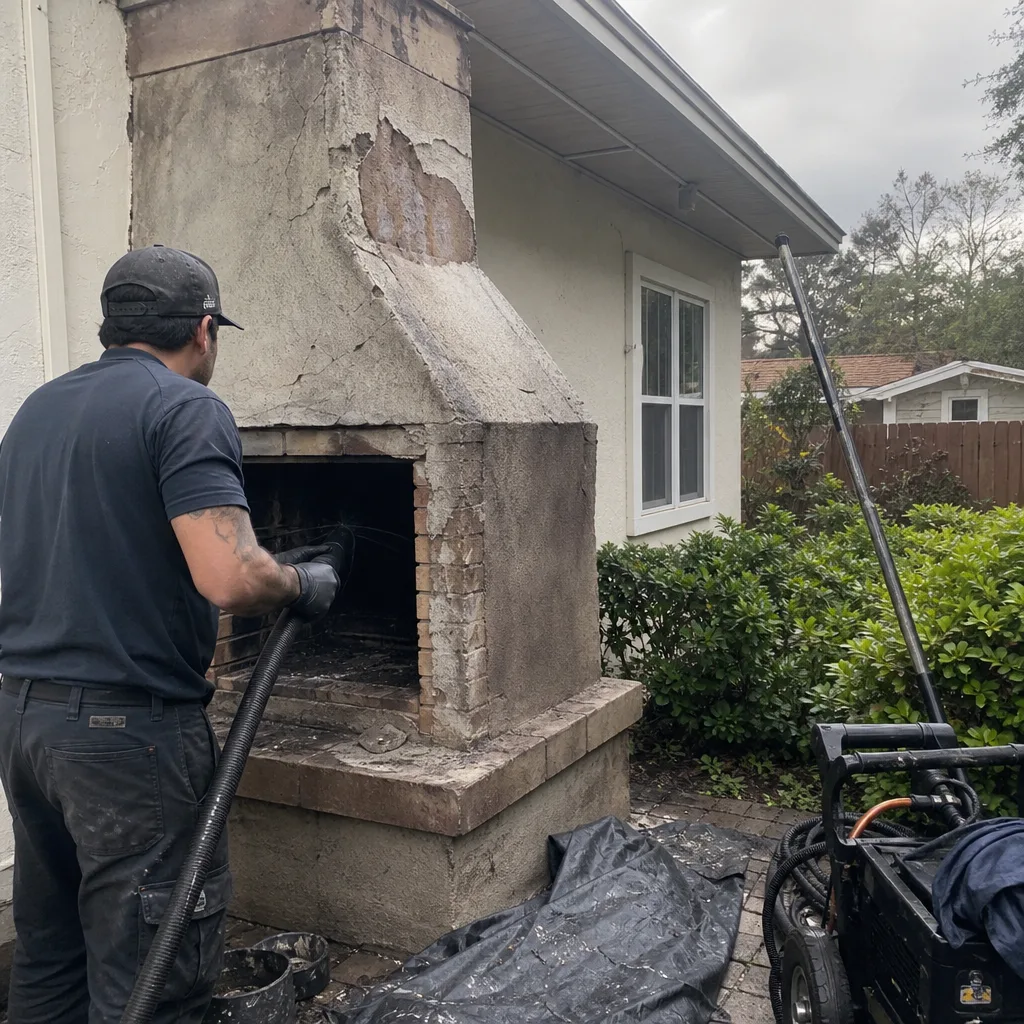 Before
 After
After Before
 After
AfterReplacement Cost & What’s Included
In Jacksonville, a HeatShield crown repair with Crown Coat typically runs $425 to $850. The range depends on crown size, accessibility (steep roof pitches add time), and how much surface prep is required. If the existing crown needs grinding or sections rebuilt before sealing, you’re at the upper end. Here’s what the work includes:
- Surface prep: cleaning, wire brushing, and grinding any loose or spalled material
- Crack filling: bonding agent applied to all visible cracks before the Crown Coat goes on
- Crown Coat application: two coats of HeatShield’s fiber-reinforced sealant, troweled and feathered at the edges
- Water repellent: Ecoseal applied to the chimney’s exterior masonry after the crown cures
- Photo documentation: before and after photos of every part of the repair, included at no extra charge
Every crown repair comes with our written 365-Day Done Right Promise. If the sealant fails within a year, we return on a second visit and make it right at no cost. No fine print, no prorated reductions. One year, written down, included automatically.
DIY or Call Us?
Here’s our honest take: if you’re comfortable on a ladder and just want to inspect the crown yourself, you can look for visible cracks, missing chunks, and whether the crown has a drip edge. That’s useful information, and we’ll talk through what you see. But applying Crown Coat properly requires grinding the surface, working with bonding agents that need specific cure times, and managing two-coat application on a sloped surface. Do it wrong and you’ve spent $200 in material on a repair that fails in six months. The real risk, though, is the roof itself. Jacksonville roofs get slick after rain, and a crown repair often means working near the peak. If you’re not set up for roof work, don’t test that. Call us at (904) 453-7823. Tell me what you’re seeing and we’ll tell you what it actually means, and if it’s something you can safely handle, we’ll say that too.
FAQs
A properly prepared and sealed crown with a correct drip edge typically lasts 10 to 15 years in Jacksonville’s climate. Crowns without a drip edge or with underlying masonry issues will fail sooner, usually at the sealant-to-brick interface. Our 365-day guarantee covers the first year entirely, and we’ll tell you during the initial visit if we see conditions that will shorten the lifespan.
Yes, as long as the crown is structurally intact. Hairline cracks and surface spalling are exactly what HeatShield’s Crown Coat is designed to seal. If the crown has large missing sections, pours water directly onto the brick, or lacks a drip edge, a partial rebuild is the honest fix. We’ll show you photos from the roof so you can see the condition we’re actually working with before you approve any repair.
Most HeatShield crown repairs are completed in 3 to 4 hours on site, including setup and teardown. Two-coat application requires a brief curing window between coats, but that’s measured in hours, not days. Weather permitting, we usually finish the job before the afternoon storms roll through.
We stock Crown Coat, Ecoseal, and bonding agents on our trucks, which means most Jacksonville crown repairs happen in a single visit with no ordering delay. We also work with DuraFlex and Gelco materials when the job calls for them, but for crown repair specifically, HeatShield is what we carry and what we recommend.
Need your crown looked at before the next big storm? Call (904) 453-7823 for a free estimate. We’ll send a technician whose name and photo you’ll have before we arrive, and you’ll get a written price before any work begins.
Written by Ruben Castellano, Owner, Alcott Chimney Jacksonville at Alcott Chimney Jacksonville, serving Jacksonville and nearby areas.