
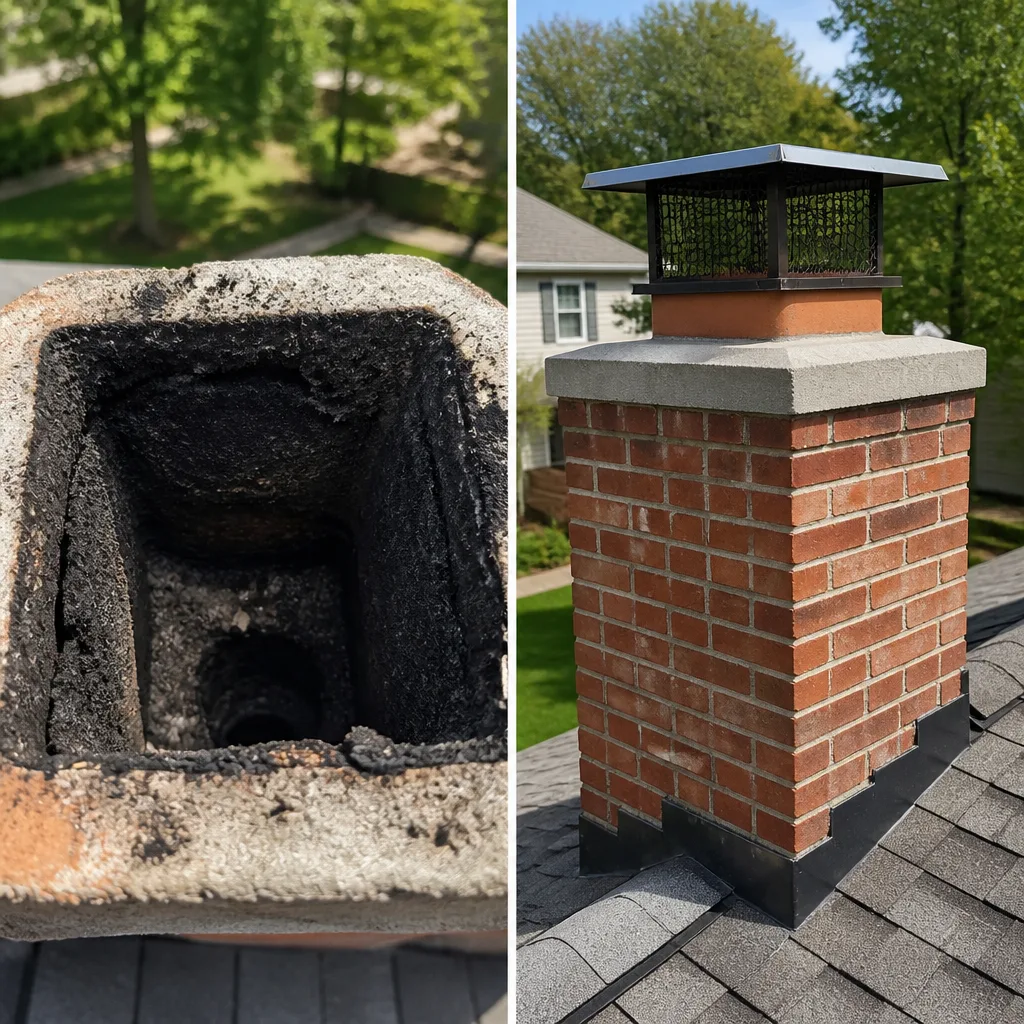
 Sweep & inspection
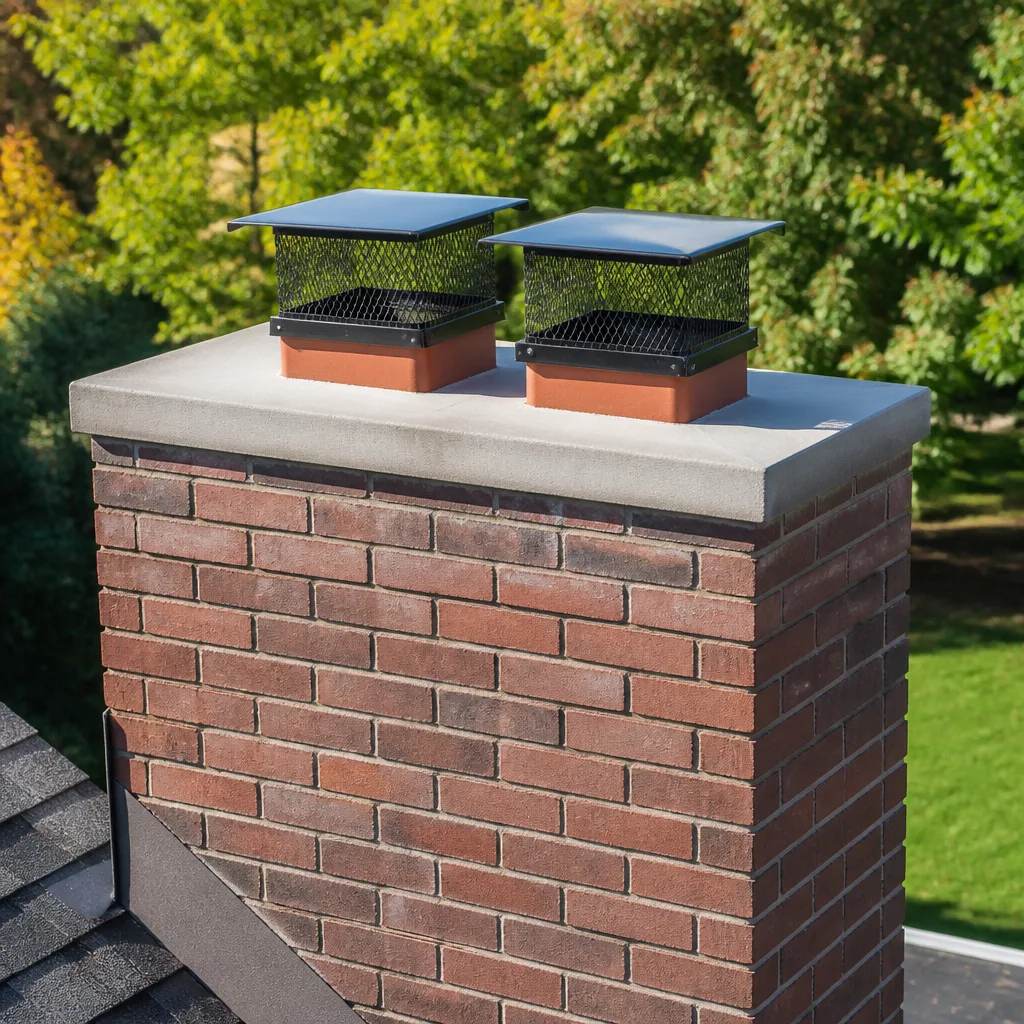 Caps & crowns
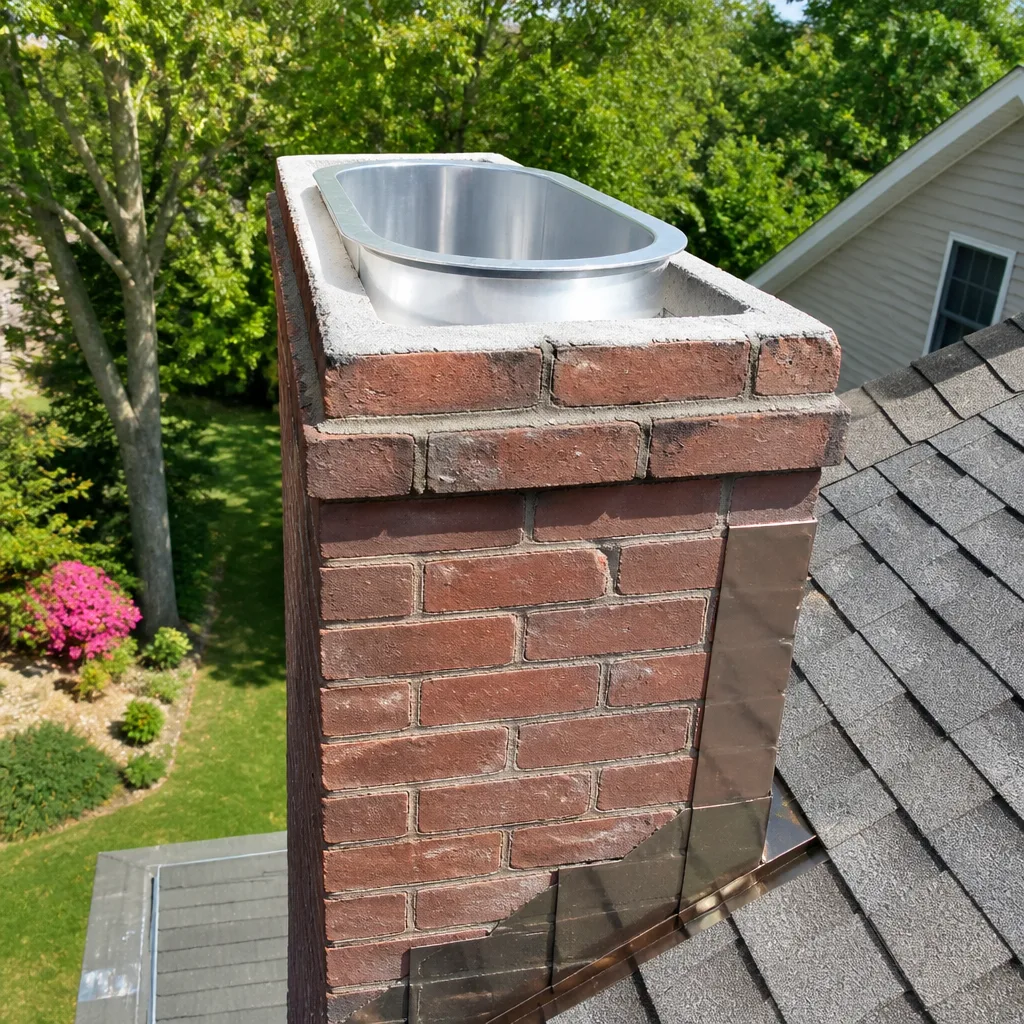 Flue relining
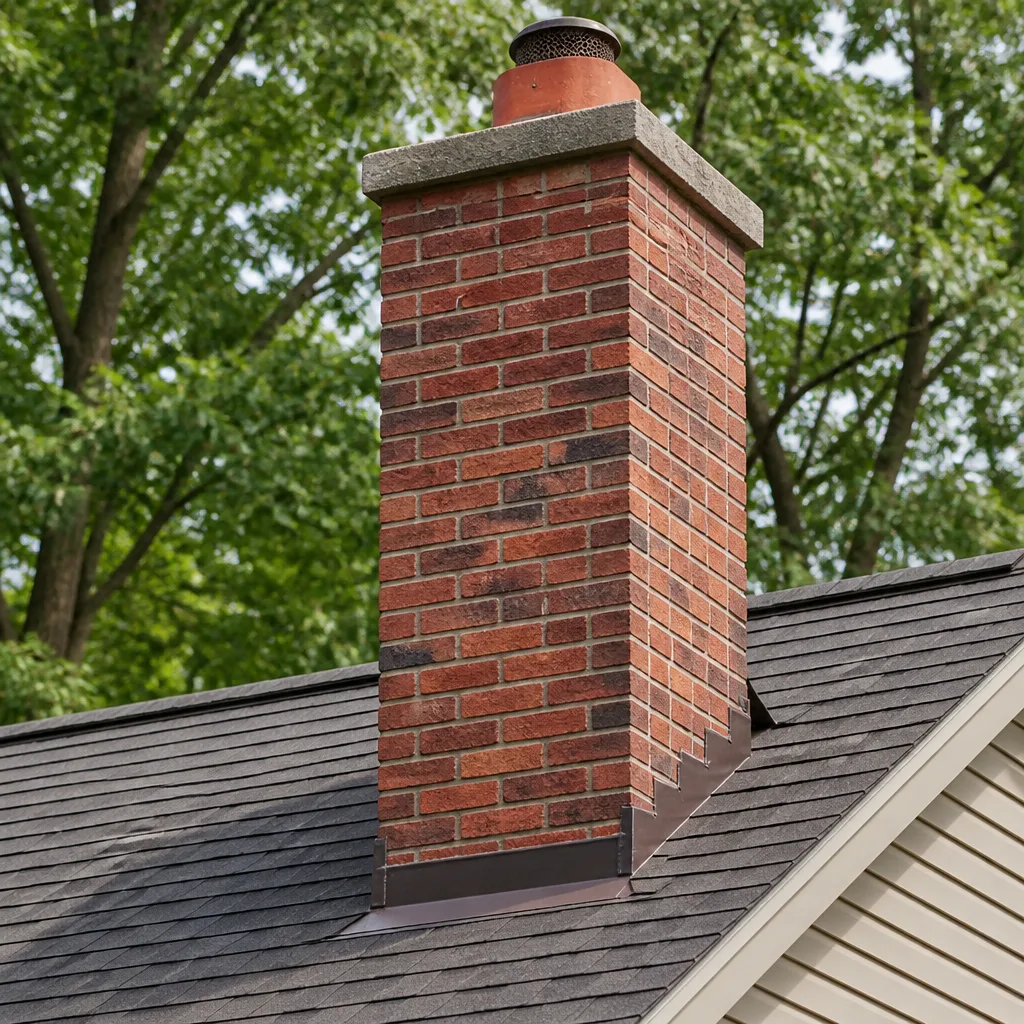 Masonry repair
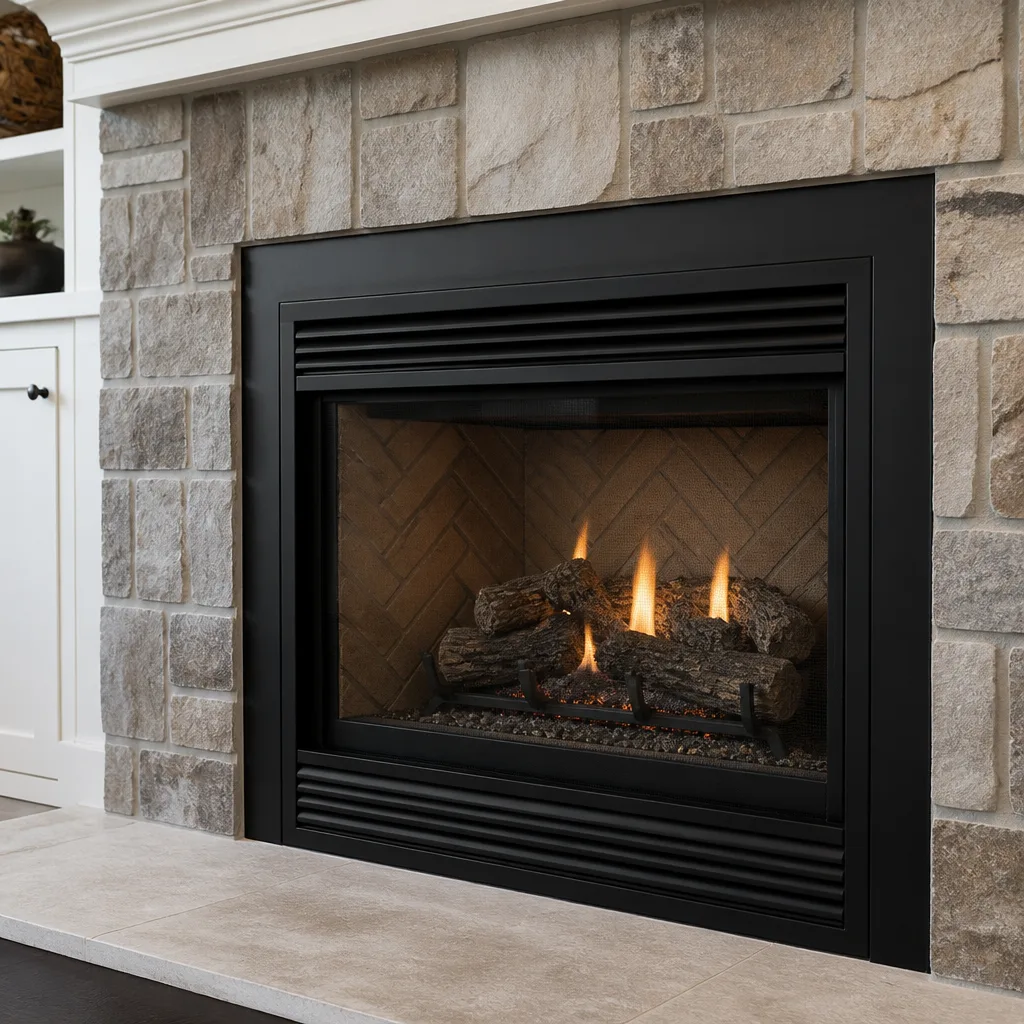 Gas fireplace service
Level 1 sweep and inspection to the NFPA 211 annual standard - flue, crown, cap, and flashing checked and photographed
Chimney sweep logs do not sweep chimneys. They loosen some creosote - which then falls where a brush and vacuum still have to collect it.
HeatShield Chimney Sweep in Jacksonville: What to Know First
A HeatShield chimney sweep in Jacksonville typically runs $189 to $329 for a standard open fireplace, and we’re usually in and out in about 90 minutes. That price includes a full flue inspection with a camera, because the ceramic coating on a HeatShield liner is the whole reason you bought that system, and we want to see exactly what condition it’s in before any brush touches it. We’re an independent HeatShield service provider in Jacksonville, which means we work on these systems every week but don’t answer to the manufacturer, so the price we quote is the price you pay. If you own a HeatShield resurfaced flue and you’re due for a sweep, call (904) 453-7823 and we’ll get you on the schedule.
How HeatShield Products Fail – and How We Fix Them
HeatShield’s whole selling point is a ceramic cement resurfacing that seals cracks in your flue without a full liner replacement. It’s a good product, and we install it. But it’s not magic, and Jacksonville’s humidity plus our long burning season creates some very specific problems we see over and over. Here’s what actually shows up in Jacksonville homes.
- Bonding failure at the smoke chamber, especially on HeatShield 4″ smoke chamber applications. The smoke chamber takes the most direct heat and the most creosote, and if a sweep isn’t done regularly, acidic creosote eats at the bond line between the HeatShield coat and the original masonry. We find this on probably one in ten HeatShield systems that haven’t been swept in three years or more. The fix is a gentle nylon brush sweep followed by a camera inspection to map the exact area. If the bond is still intact, we clean it and document it. If it’s failing, the repair is a HeatShield re-application to that section, which costs far less than a liner replacement.
- Glazed creosote buildup on HeatShield’s original “Cerfractory” flue sealant. In Jacksonville, we burn a lot of oak and sometimes pine that hasn’t seasoned like the tag said it did. That produces tar-heavy creosote that glazes onto the HeatShield surface. The problem is that standard wire brushes can score the ceramic coating, and a scratched coating is a new spalling point. We use low-profile poly brushes on HeatShield systems, which remove buildup without cutting into the surface. This is a detail the manufacturer doesn’t print on the can, but it’s the difference between a coating that lasts fifteen years and one that starts flaking in five.
- Crown-to-flue transition cracking on systems where HeatShield was installed without a proper chase cover or rain cap. Jacksonville rain is relentless, and water that pools at the crown and seeps into the top course of the flue will eventually undermine the HeatShield bond from the top down. We see this most often on homes near the St. Johns River where wind drives rain horizontally. The sweep catches it early because we inspect from the roof, not from the firebox with a mirror. If the crack is small, we seal it with a compatible refractory caulk. If water has already gotten behind the coating, the section gets stripped and re-applied.
- Spalling on HeatShield 4″ flue resurfacing where the original clay tile had already begun to crumble before resurfacing. This one is the manufacturer’s known limitation, and honest chimney sweeps in Jacksonville will tell you about it before quoting a re-coat. HeatShield bonds to what’s there. If the underlying tile was too far gone, the coating fails prematurely, and no amount of sweeping fixes it. When we find this during a sweep, we give you the choice: a partial HeatShield refresh with a shorter expected life, or a DuraFlex stainless liner for a permanent fix. We install both, so the recommendation is based on what we see on the camera, not what we make more margin on.
- Creosote snakes and “tar popcorn” in the smoke shelf area. This isn’t a HeatShield failure per se, but HeatShield-coated chimneys seem to collect these deposits faster because the smooth ceramic surface lets tar grab and hold in the smoke shelf’s corners. We vacuum these out by hand with a HEPA filtered vac before running the brush. Skip that step and you’ll have a firebox full of foul-smelling creosote chips after the sweep. Our crews carry a commercial HEPA vac on every HeatShield job specifically because of this.
Styles & brands we work with
Our HeatShield Chimney Sweep Process
We don’t do mystery work, and we don’t do twenty-minute bandit sweeps. Here’s exactly what happens on a HeatShield chimney sweep in Jacksonville, from the first call to the final handshake.
- 1
You call and talk to a person. You’ll describe what you’re seeing. Tell me what you’re seeing and I’ll tell you what it actually means. We’ll book a window and send you the technician’s name and photo before we arrive. That’s the Threshold Standard, and it’s not optional.
- 2
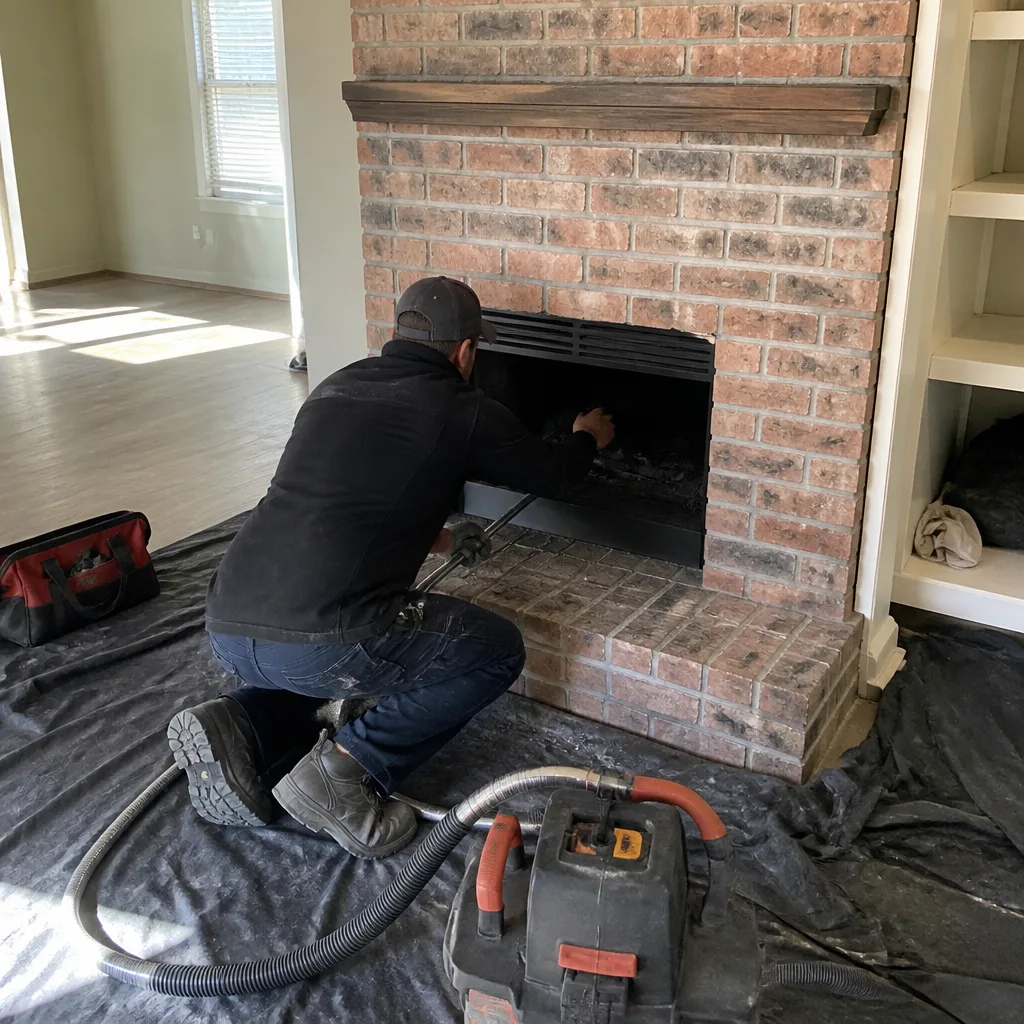
We arrive, badge out, and set up drop cloths. The tech lays protection from the door to the hearth, sets up a HEPA vacuum, and walks you through what they’ll do before they touch anything. You get a written price before any work starts. If you don’t want the work after seeing the price, we pack up and leave. No pressure, no awkward silence.
- 3
Top-down camera inspection of the HeatShield surface. We inspect from the roof with a high-resolution camera, checking for bond failure, glazed creosote, moisture intrusion, and spalling. You see the footage. Every scan is saved and can be shown to you live on a tablet.
- 4
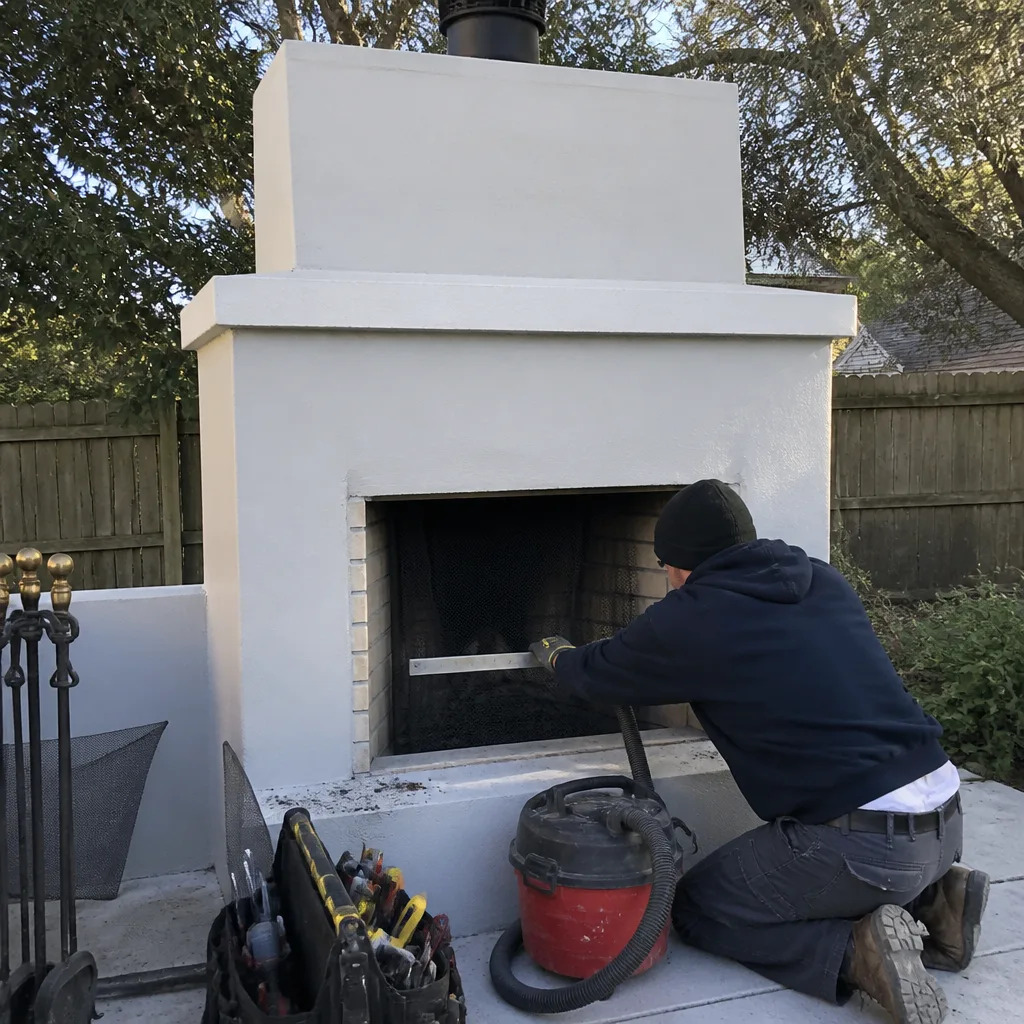
Mechanical sweep with HeatShield-safe tools. We use poly brushes, not steel. Steel wire runs the coating. The brush runs from top to bottom, and the HEPA vac pulls everything into a sealed container so nothing spills into your living room. Creosote and soot are fully contained.
- 5
Smoke shelf and firebox hand-clean. The tech vacuums the smoke shelf by hand, cleans the firebox, removes the damper plate if needed, and wipes down everything in reach.
- 6
Post-sweep camera check and written report. We run the camera again to confirm no buildup remains and to document the HeatShield coating’s condition. You get a written report with photos, and if we found anything that matters, we explain it in plain English. Every repair comes with a written guarantee. If that repair fails within the coverage period, the second visit is free.
See the difference
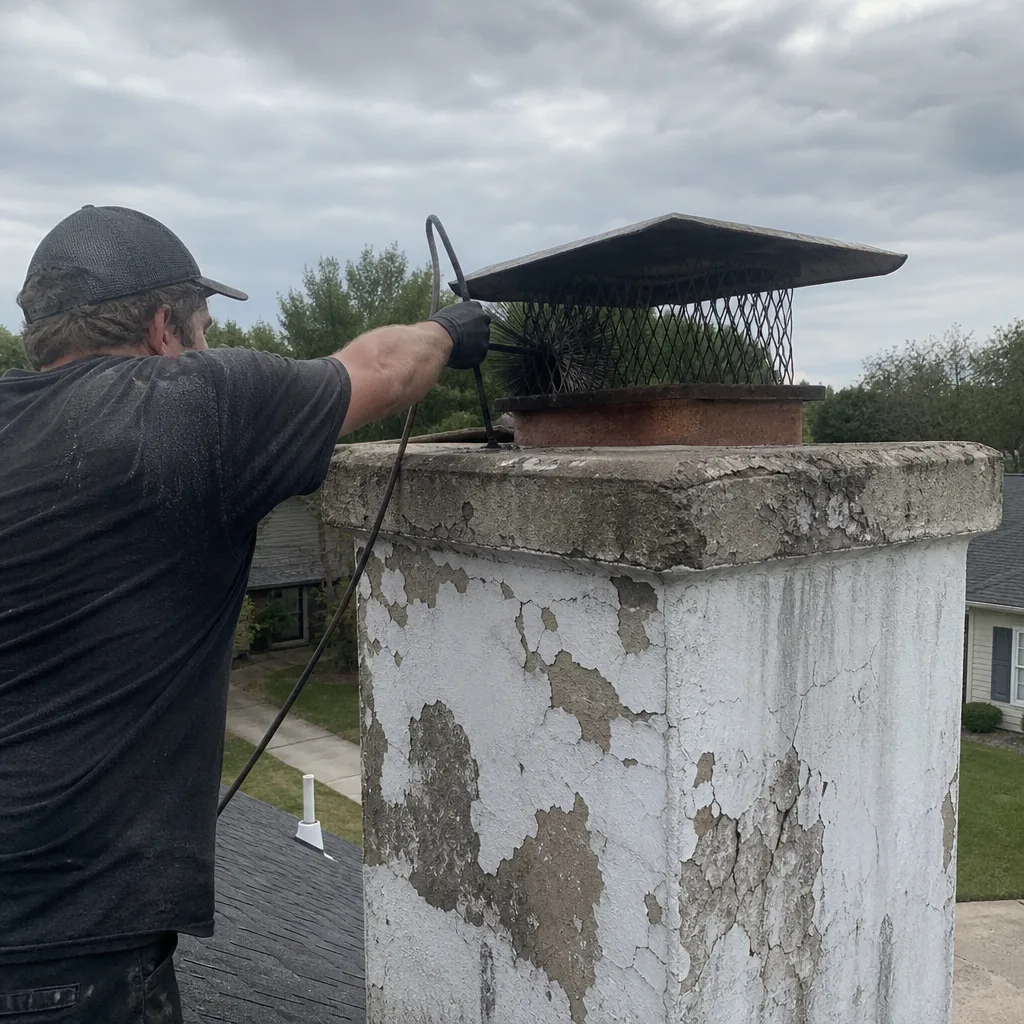 Before
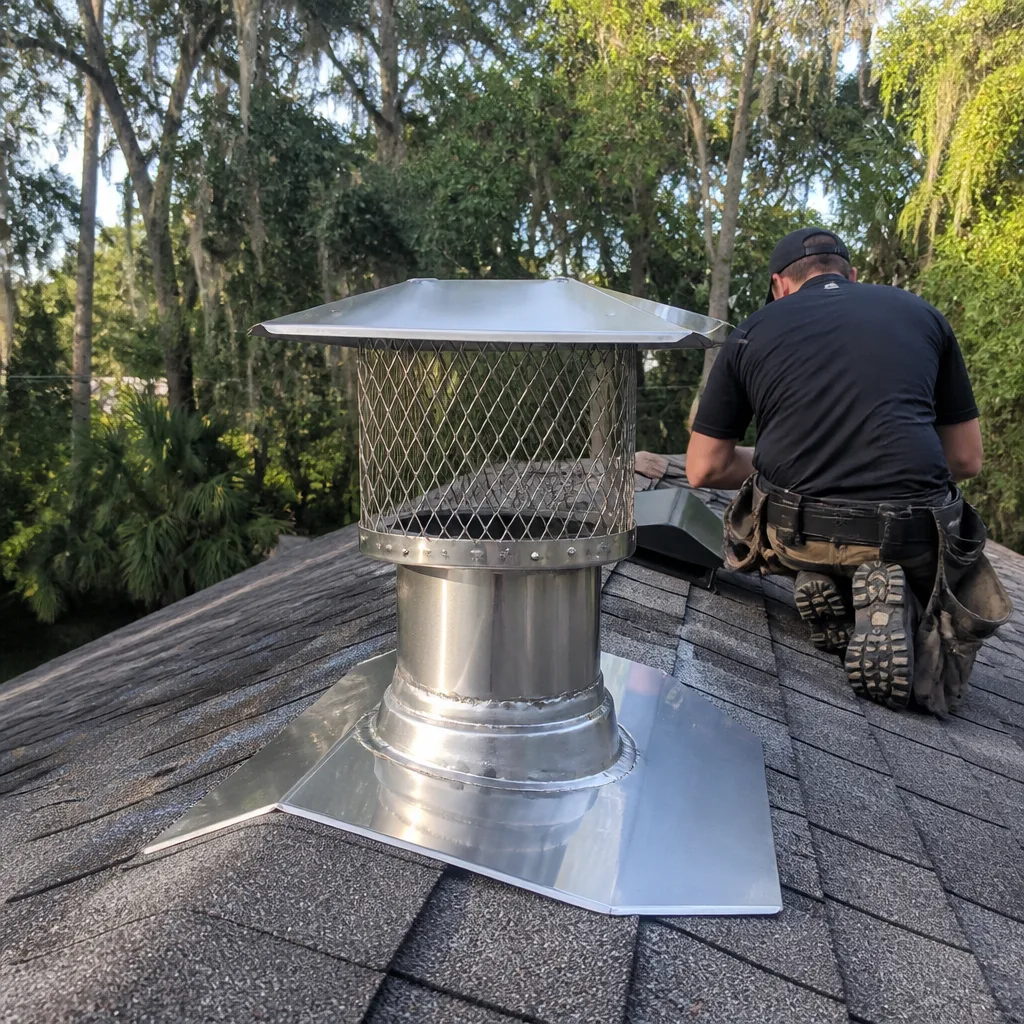 After
After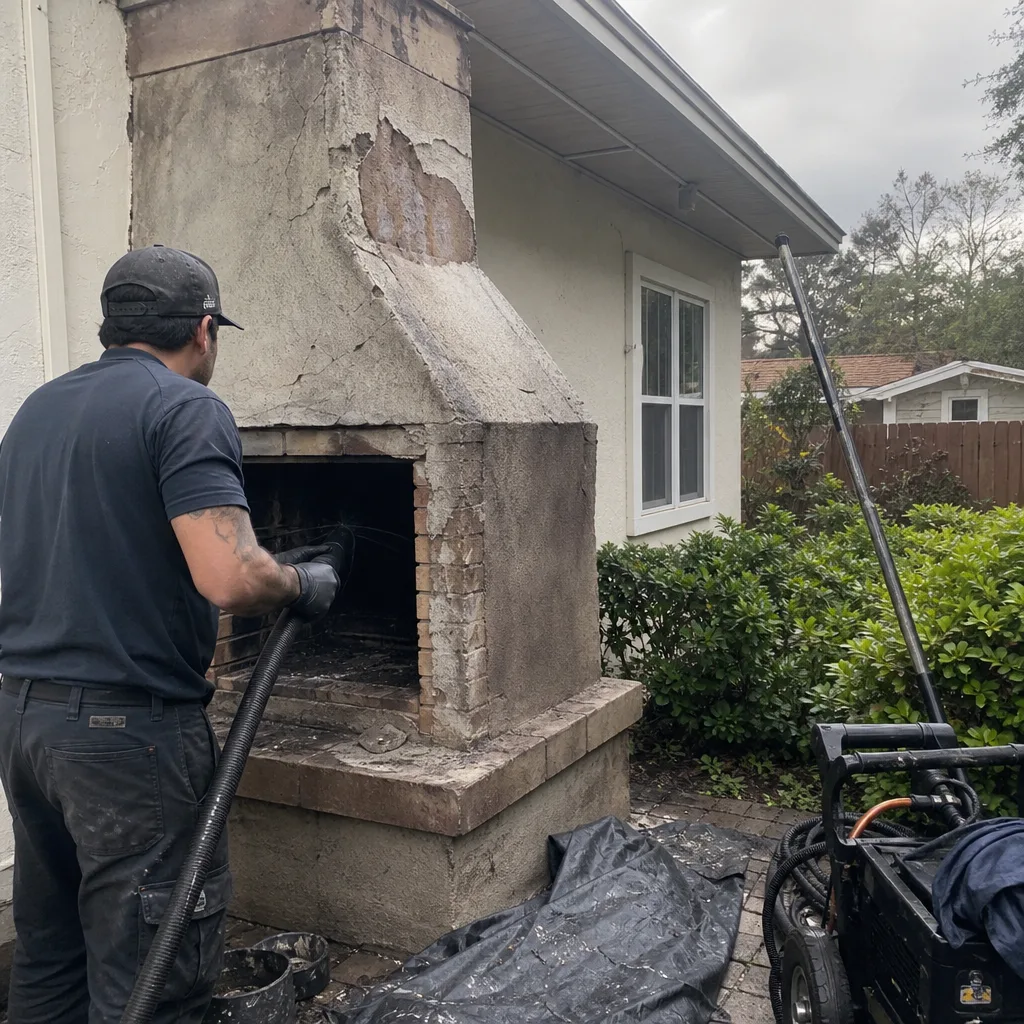 Before
 After
After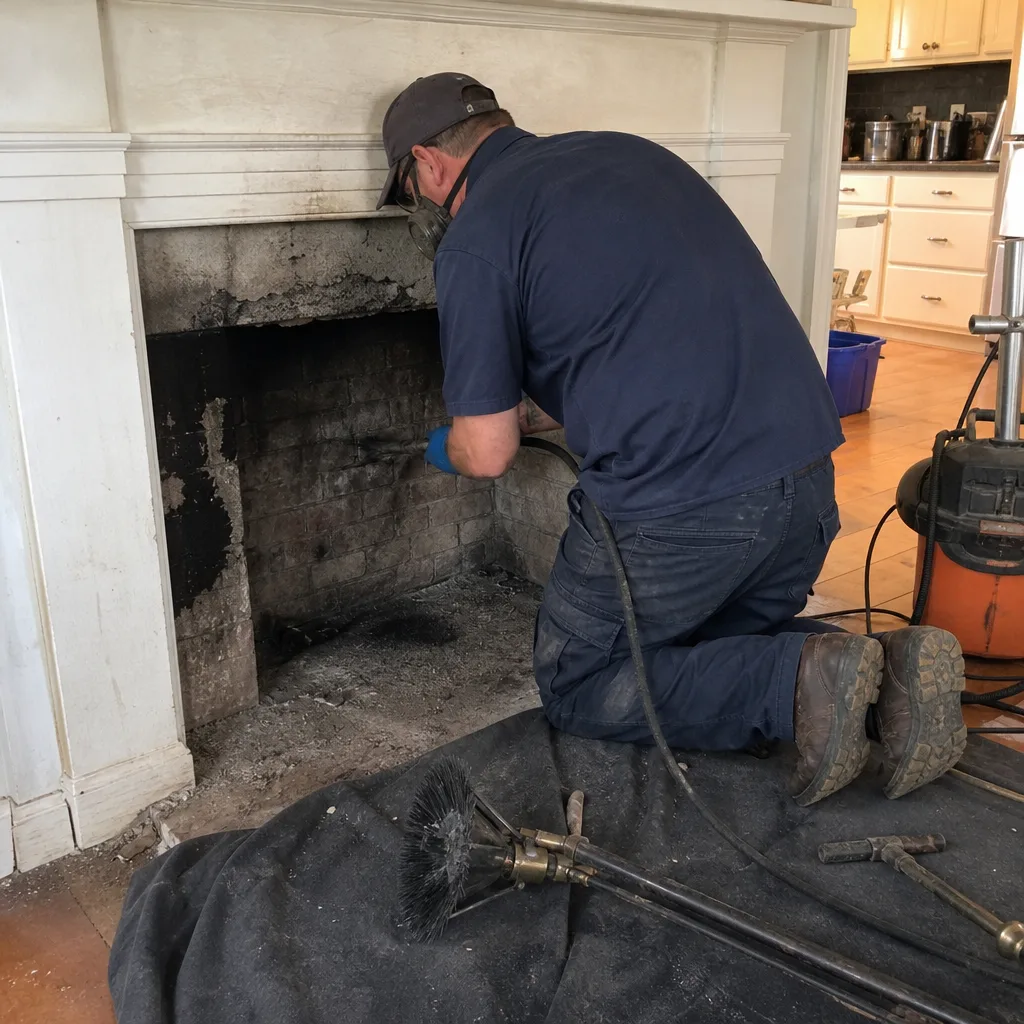 Before
 After
AfterWhat HeatShield Chimney Sweep Costs in Jacksonville
Here’s the honest pricing picture for a HeatShield system in Jacksonville. These are real ranges, not teaser numbers.
- Standard HeatShield chimney sweep (open fireplace, accessible roof): $189 – $289. Includes top-down camera inspection, mechanical sweep, smoke shelf cleaning, firebox cleanout, and written report.
- HeatShield sweep with level 2 inspection (buying or selling a home, or after a chimney fire): $329 – $449. Adds full video documentation, clearance checks, and a written report suitable for insurance or real estate documentation.
- Glazed creosote removal on HeatShield: $100 – $250 additional, depending on severity. Uses chemical treatment plus low-speed poly brushing. We quote this only after the camera shows what’s there.
- Spot HeatShield re-application (small bond failure or spall): $450 – $900 per section. We match the existing coating and blend it. This is a repair, and it carries the same written guarantee as any other repair.
What moves the price: roof pitch and access, flue height, how long since the last sweep, and whether you need a Level 2 inspection. We give you the price in writing before any work starts. Call (904) 453-7823 for an exact quote on your HeatShield system, and we’ll schedule the sweep at a time that works for you. Estimates are free.
Why Jacksonville Homeowners Call Alcott Chimney Jacksonville for HeatShield Work
Ruben Castellano started cleaning chimneys after hands-on coursework at Los Angeles Trade-Technical College, and he’s spent years working fireplaces from Riverside homes to properties near Friendship Fountain. He’s the one who set the rule that every HeatShield system gets a camera inspection before and after a sweep, no exceptions. That’s how you catch bond failure before it becomes a fire hazard.
We also carry the full toolbox for whatever the inspection finds. HeatShield re-coat, yes, but also DuraFlex stainless liners and Gelco repair products for when the answer isn’t more HeatShield. That matters because we won’t sell you a re-coat when the honest answer is a liner. Every job carries our 365-Day Done Right Promise: a full year of accountability on completed work, with a written guarantee on every repair and a free second visit if a repair fails. You’ll know your technician’s name and see their photo before we arrive, and that technician will show you a photo ID badge at the door. Live people answer our phones 24/7, which matters when something smells like smoke at 11 p.m. Call (904) 453-7823 and we’ll make it right.
FAQs
No. A proper sweep with non-abrasive poly brushes and a camera inspection before and after actually supports your warranty position, because it creates a maintenance record. What voids warranties is neglect, not professional cleaning. We document every HeatShield sweep with photos and a written report you can keep for your records.
Once a year if you burn regularly, and twice a year if you burn unseasoned wood or use the fireplace as a primary heat source. Jacksonville’s humidity accelerates creosote hardening, so a coating that would stay flaky and brushable in a dry climate turns into a hard glaze faster here. Annual sweeps keep it manageable and let us catch bonding issues before they become expensive.
It depends on how much of the coating has lost its bond. Small sections of failure can be cleaned, prepped, and re-coated with HeatShield material, which we do routinely. If more than about a third of the flue surface is failing, or if the underlying masonry is crumbling, a DuraFlex stainless liner is usually the smarter long-term fix. We show you the camera footage and explain both options with real prices. Call (904) 453-7823 if you want an honest assessment.
We use HeatShield brand materials for HeatShield repairs, period. Using an off-brand refractory cement on a HeatShield system is how you end up with a coating that peels in two seasons. For other repairs where it’s the right material, we carry DuraFlex and Gelco products from professional distributors, not box-store substitutes.
Most standard sweeps are scheduled within two to five business days, but if you’re smelling smoke inside the house or seeing black flakes falling into the firebox, tell us when you call (904) 453-7823 and we’ll move you up. Live people answer the phone around the clock, and we’d rather inspect a system we’re unsure about than have you guess.
Written by Ruben Castellano, Owner, Alcott Chimney Jacksonville at Alcott Chimney Jacksonville, serving Jacksonville and nearby areas.